






26–30 °C
Sow indoors 8–10 weeks before last frost. Germinate at 26–30 °C — below 22 °C the seeds stall for weeks.
SHOP BY CATEGORY · PEPPER SEEDS
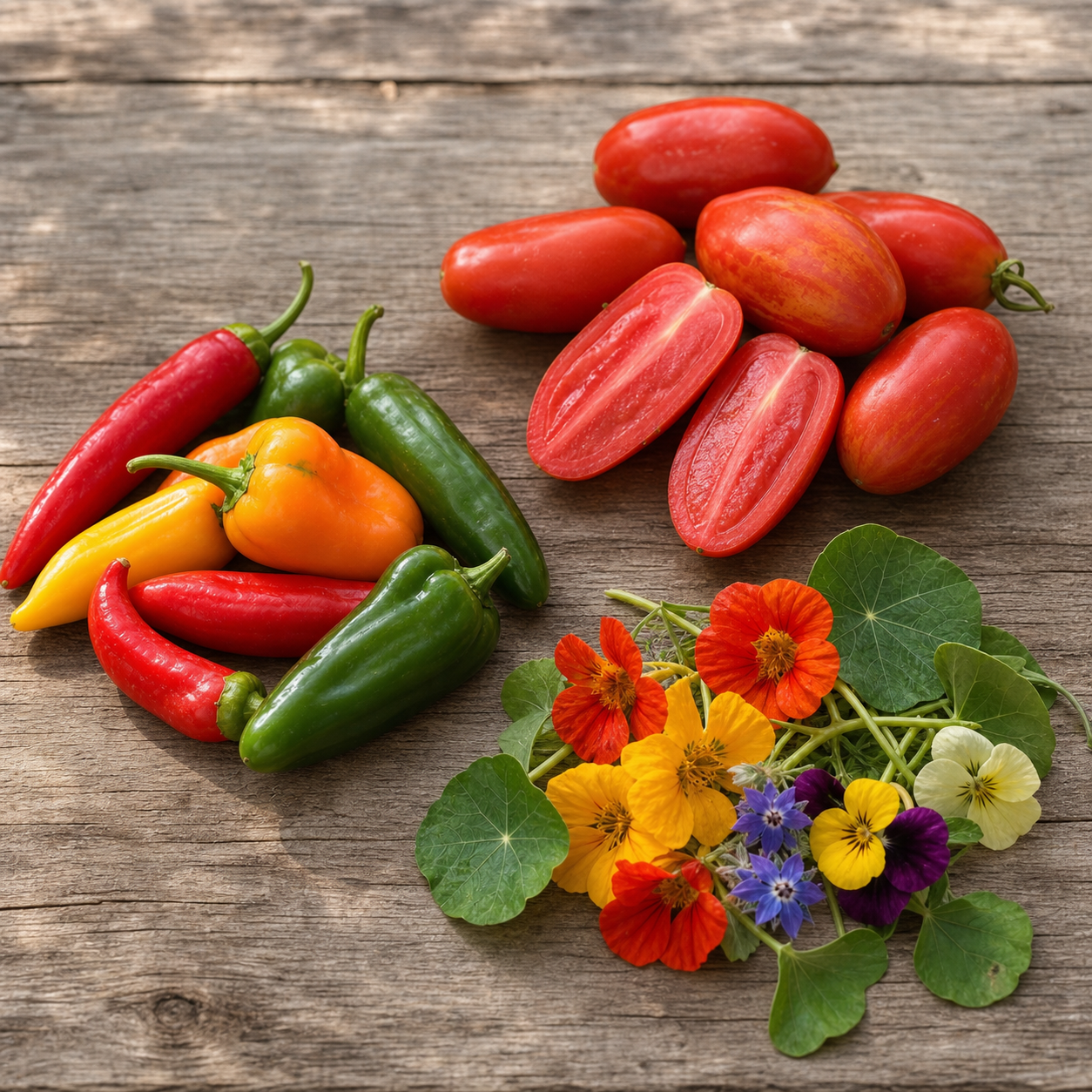
This is our pepper seeds Canada collection: flavour-first sweet, hot, and rare peppers chosen for a short Canadian summer, packed in Vaudreuil-Dorion.
94 varieties
Casa Verde Seeds is a small Quebec seed shop. Browse the full pepper catalog by heat and kitchen use: frying peppers, stuffing bells, ajis, jalapeños, and superhots we grow for taste, not a seed-rack count.
Open any variety for maturity and how it behaves in a real Canadian garden. Michael packs the orders in Vaudreuil-Dorion.
Tap a level to filter the grid below. Counts are live.
Grow Zones
Choose your Canadian garden zone to filter seeds tagged for your climate. Zone helps with climate fit; for annual seeds, also check days to maturity and when to start indoors.
Showing recommended seeds for
Prioritize short-season varieties, check days to maturity, and start indoors when the product page recommends it. Annual vegetables still depend on frost dates, season length, heat, and microclimate.
A MINI BUYING GUIDE
If you're exploring flavour profiles, start with the heat level. If you already know what you're cooking, jump straight to the use case below. Every link lands on a live-filtered view of the pepper collection.
Thin walls blister in seconds: Shishito, Padrón, Criolla de Cocina.
See frying peppers → RawPerfume without burn: Habanada, Biquinho, Sweet Spanish.
See raw-eating picks → StuffingThick walls hold cheese and grain: Poblano, Craig's Grande Jalapeño, Jimmy Nardello.
See stuffing peppers → SauceFruit-forward, heat comes late: Aji Mango, Tam Jalapeño, Habanero El Remo.
See sauce peppers → ContainersCompact, productive — pots from 5 to 10 gallons: Shishito, Biquinho, Habanada.
See container peppers → PicklingCrisp, shape-holding — crunch survives the brine: Early Jalapeño, Tam Jalapeño, Biquinho.
See pickling peppers →QUICK GROWING TIPS · CANADA
Six rules that turn a short Canadian summer into a full pepper harvest. More detail in the blog.
Sow indoors 8–10 weeks before last frost. Germinate at 26–30 °C — below 22 °C the seeds stall for weeks.
Bright LEDs, lamps 2–3 inches above canopy. Leggy seedlings = not enough light, not more fertilizer.
Harden off 7–10 days before moving outside. Peppers sulk if the soil hasn't warmed — wait another week if in doubt.
Coco / compost / perlite. Balanced feed through bloom, then bump potassium (K) for fruiting.
Indoors, tap blossoms weekly and run a gentle fan. Outdoor bees do the work themselves.
The chef-approved method from seed to harvest — our longest growing-tips read.
Read the guide →PEPPER SEED FAQ
Short season, cool-night-tolerant varieties tend to perform best. Anything that matures under 75–85 days is gold for most Canadian zones — think jalapeños, Hungarian wax, banana peppers, shishitos, and many Aji varieties. Superhots can still work, but you'll want a long indoor start (10–12 weeks) and consistent heat.
"Heirloom" just means the variety has been open-pollinated and preserved over generations. Flavor-wise? Yes, heirlooms tend to be more interesting, aromatic, and less generic than store-breeders. Yield-wise? Hybrids may outperform them slightly. Most growers prefer heirloom peppers because you can save seeds and maintain genetic traits year after year.
At warm temperatures (26–30°C / 78–86°F), most peppers germinate in 7–14 days. Superhots (C. chinense types) can drag out to 21–30 days, which is completely normal. Cool soil temperatures slow germination dramatically — below 22°C, they can stall for weeks.
If you're in Canada: Yes, unless you enjoy waiting a month for a sprout. Peppers originate from warm climates and really don't wake up until the soil is above 26°C. A heat mat stabilizes temp, speeds germination, and reduces fungal issues from uneven moisture.
Most Canadian growers should start indoors early March to mid-April, depending on your frost date. Superhots? Start them late February — they're slow divas that like extra time. The goal is to have sturdy 6–10 inch plants by transplant time.
Absolutely — peppers love containers because the soil warms faster. A 5–7 gallon pot is ideal for most varieties; superhots and big bells appreciate 10 gallons. Use a well-draining mix and feed every 1–2 weeks once flowering begins.
Two questions to answer first: how long is my season (look for 60–75 days-to-maturity in short Canadian summers), and what am I cooking with them. Then match the garden to the kitchen: