




 Kitchen Pepper
Criolla de Cocina Pepper
The Criolla de Cocina is a unique, sweet pepper native to Nicaragua. Its name translates to "Creole cuisine," highlighting its importance in traditional Central American cooking. With its thin, wrinkled walls and fruity, aromatic flavor,...
Shop all pepper seeds in Canada
- Origin
- Nicaragua
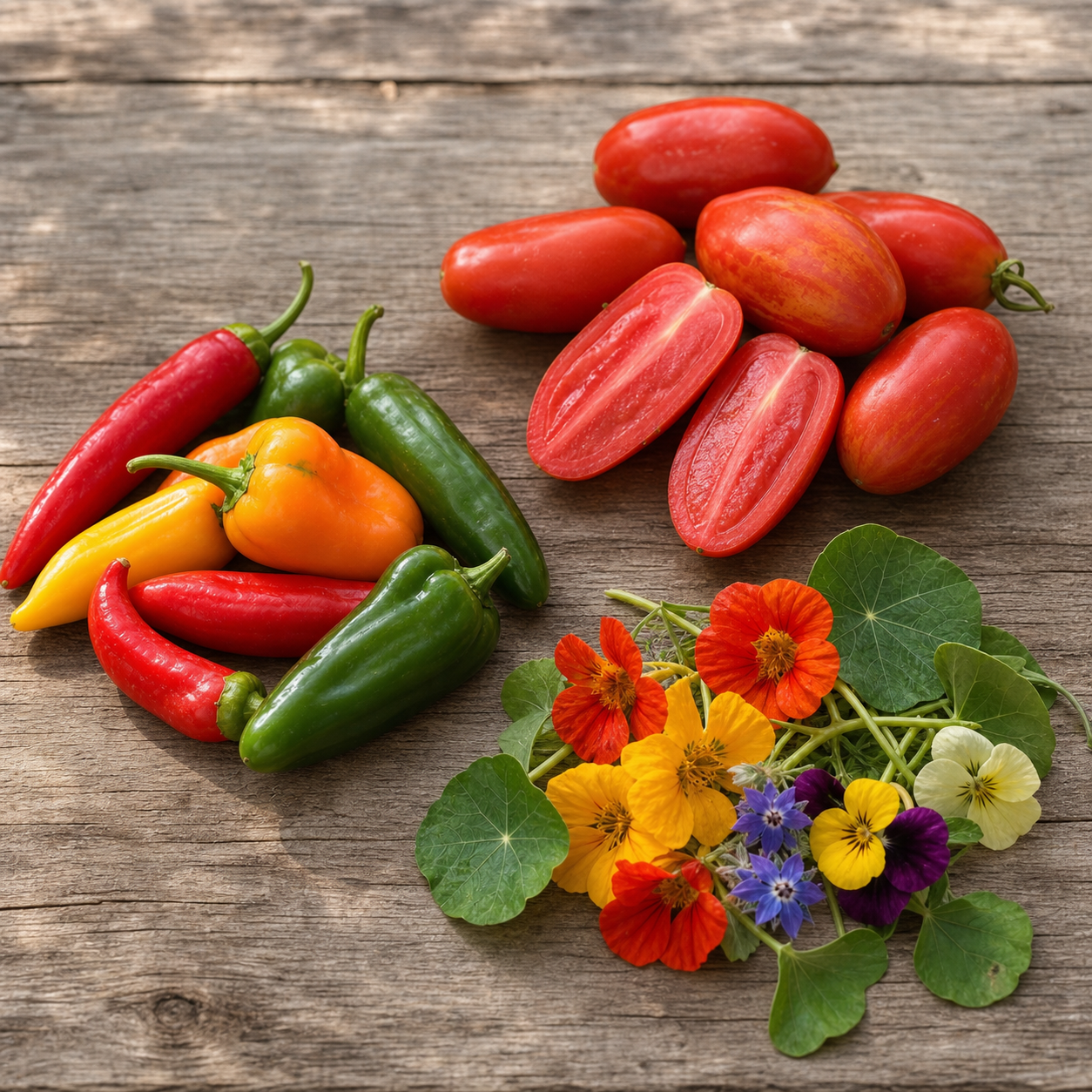
The Criolla de Cocina is a unique, sweet pepper native to Nicaragua. Its name translates to "Creole cuisine," highlighting its importance in traditional Central American cooking. With its thin, wrinkled walls and fruity, aromatic flavor, it is prized as a seasoning pepper rather than for its bulk.
- Aromatic and sweet: The Criolla de Cocina has a rich, sweet, and somewhat fruity flavor, with an aromatic quality that adds depth to dishes.
- Mild to low heat: While some seed vendors list it as completely heatless, others note a very slight, mild spiciness. Its primary use is for flavor, not for heat.
- Thin-walled: The pepper has thin walls, which makes it ideal for applications where flavor infusion is desired, such as sauces and stews.
- Distinct shape: Its wrinkled and lobed shape, similar to a larger habanero, makes it quite visually striking
- Frying and roasting: The pepper can be fried or roasted to bring out its sweetness.
- Stuffing: Despite its thin walls, it can be used for stuffing smaller dishes.
- Flavoring rice: Slicing a Criolla de Cocina and adding it to a pot of cooking rice will infuse the entire dish with its flavor.
- Paprika: It can also be dried and ground into a fragrant paprika.
Start indoors 8–10 weeks before last frost. Germinate at 26–30 °C on a heat mat; peppers stall below 22 °C. Pot up to 10–15 cm before hardening off outside after nights stay above 12 °C.
Feed balanced through bloom, then bump potassium for fruiting. Stake taller varieties. More detail in our full Canadian growing guide.
Match the pepper to the technique: thin-walled varieties blister fast in a hot pan; thick-walled ones roast or stuff beautifully; fruit-forward ones make balanced sauces and pickles. The variety's flavour profile is your shortcut — see Choosing the right pepper for a use-case guide.


