




 Kitchen Pepper
Leysa Pepper
The Leysa Pepper, also known as the Lesya Pepper, is a Ukrainian heirloom variety of sweet pepper (Capsicum annuum) renowned for its exceptional sweetness, flavor, and thick, juicy flesh. It was developed in the early 2000s by Nadiya Fil...
Shop all pepper seeds in Canada
-
Exceptionally sweet: Many consider the
Lesyato be one of the sweetest peppers available, with a very high sugar content and a rich, fruity flavor. It is often described as a more intensely sweet and less bitter version of a red bell pepper.
- Thick and juicy flesh: The dense, thick walls of the Lesya pepper provide a juicy, crispy texture, making it great for eating raw.
- Zero heat: As a sweet pepper, the Lesya has a Scoville rating of 0, containing no capsaicin.
- Roasting and grilling: The sweetness of the pepper is enhanced by roasting, which also gives it a satisfying char and smoky flavor.
- Stuffing: The Lesya's compact, rounded shape and thick walls make it an ideal pepper for stuffing with grains, cheese, or meat.
- Salsas and marinades: The pepper's sweet, fruity notes add depth and flavor to mild salsas and marinades.
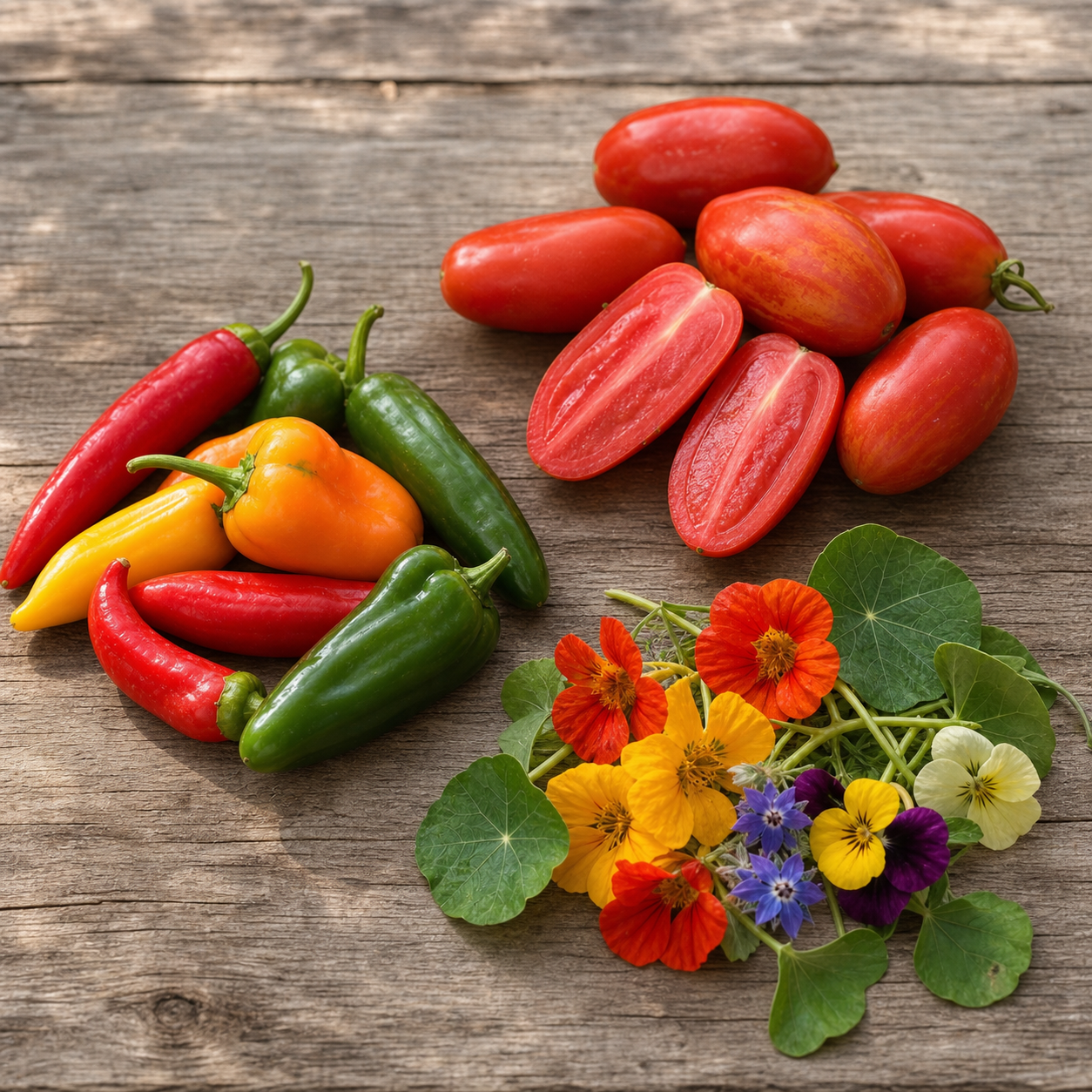
- Shape and color: The pepper has a distinctive, conical or top-like heart shape with a pointed blossom end. It ripens from green to a deep, satiny red. A yellow-ripening variety is also available.
- Plant habit: The plant is typically compact and sturdy, making it a good choice for container gardening.
- High yield: Lesya plants are known to be heavy yielders, often producing a large crop of peppers that ripen around the same time.
Planning a Canadian pepper garden? Explore more pepper seeds available in Canada and read our guide to the best pepper varieties for Canadian gardens.
Start indoors 8–10 weeks before last frost. Germinate at 26–30 °C on a heat mat; peppers stall below 22 °C. Pot up to 10–15 cm before hardening off outside after nights stay above 12 °C.
Feed balanced through bloom, then bump potassium for fruiting. Stake taller varieties. More detail in our full Canadian growing guide.
Match the pepper to the technique: thin-walled varieties blister fast in a hot pan; thick-walled ones roast or stuff beautifully; fruit-forward ones make balanced sauces and pickles. The variety's flavour profile is your shortcut — see Choosing the right pepper for a use-case guide.


