




 Kitchen Pepper
Habanada Peppers
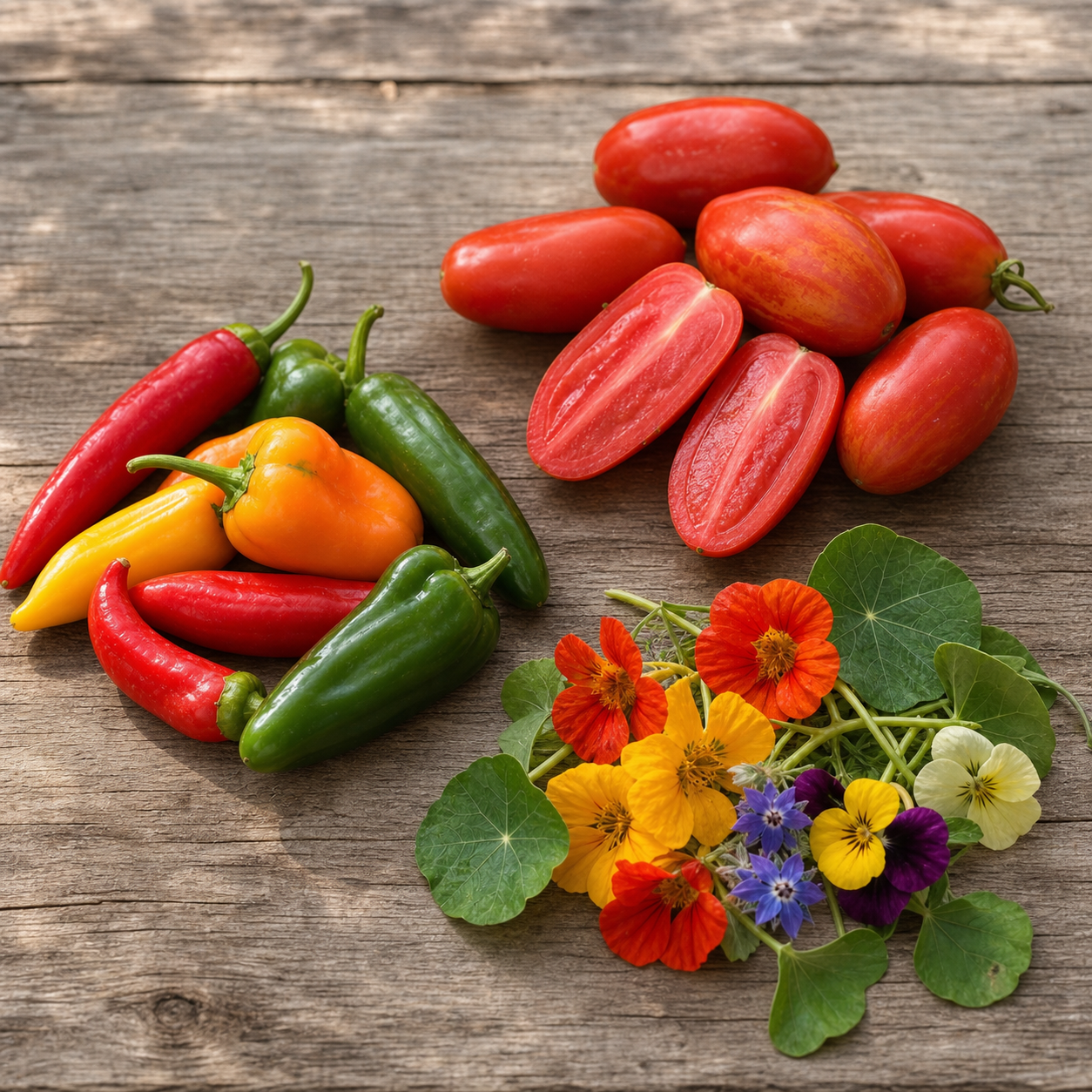
Habanero aroma for cooking without the burn. · Habanada in the kitchen Habanada is a heatless pepper with fruity, floral flavour. Let the pods ripen orange for their fuller flavour, then use them fresh, charred or blended into a sauce. ...
Shop all pepper seeds in Canada
- Origin
- Spain
Habanero aroma for cooking without the burn.
Habanada in the kitchen
Habanada is a heatless pepper with fruity, floral flavour. Let the pods ripen orange for their fuller flavour, then use them fresh, charred or blended into a sauce.
Why grow it?
Grow Habanada when the aroma of a habanero suits the dish but its heat would dominate it. It works in fresh preparations as well as roasted sauces.
Kitchen notes
- Chop into a fresh salsa or salad.
- Roast or char for a sweet, aromatic sauce.
- Use in a marinade when you want pepper flavour without a hot-pepper kick.
Planning your Canadian pepper garden
Start peppers indoors, harden off the plants gradually, and transplant after frost risk has passed and nights are reliably warm. Match your sowing plan to your local season and the variety, rather than a calendar date for all of Canada.
Explore the pepper collection
Questions about Habanada
Is Habanada a hot habanero?
No. Habanada is a heatless variety selected for habanero-like aroma.
When should I pick it?
The pods can be used green, but the ripe orange stage offers a fuller fruity flavour.
Is it an instant short-season crop?
No. Plan for an indoor start and enough warm growing time to ripen the pods; frost dates and growing conditions matter.
Growing conditions affect harvest timing, flavour and heat. Variety descriptions are guidance, not a guarantee for every plant.
Also explore: No-Heat Pepper Pack
Start indoors 8–10 weeks before last frost. Germinate at 26–30 °C on a heat mat; peppers stall below 22 °C. Pot up to 10–15 cm before hardening off outside after nights stay above 12 °C.
Feed balanced through bloom, then bump potassium for fruiting. Stake taller varieties. More detail in our full Canadian growing guide.
Match the pepper to the technique: thin-walled varieties blister fast in a hot pan; thick-walled ones roast or stuff beautifully; fruit-forward ones make balanced sauces and pickles. The variety's flavour profile is your shortcut — see Choosing the right pepper for a use-case guide.


