




 Kitchen Pepper
Jimmy Nardello Italian Mild Pepper
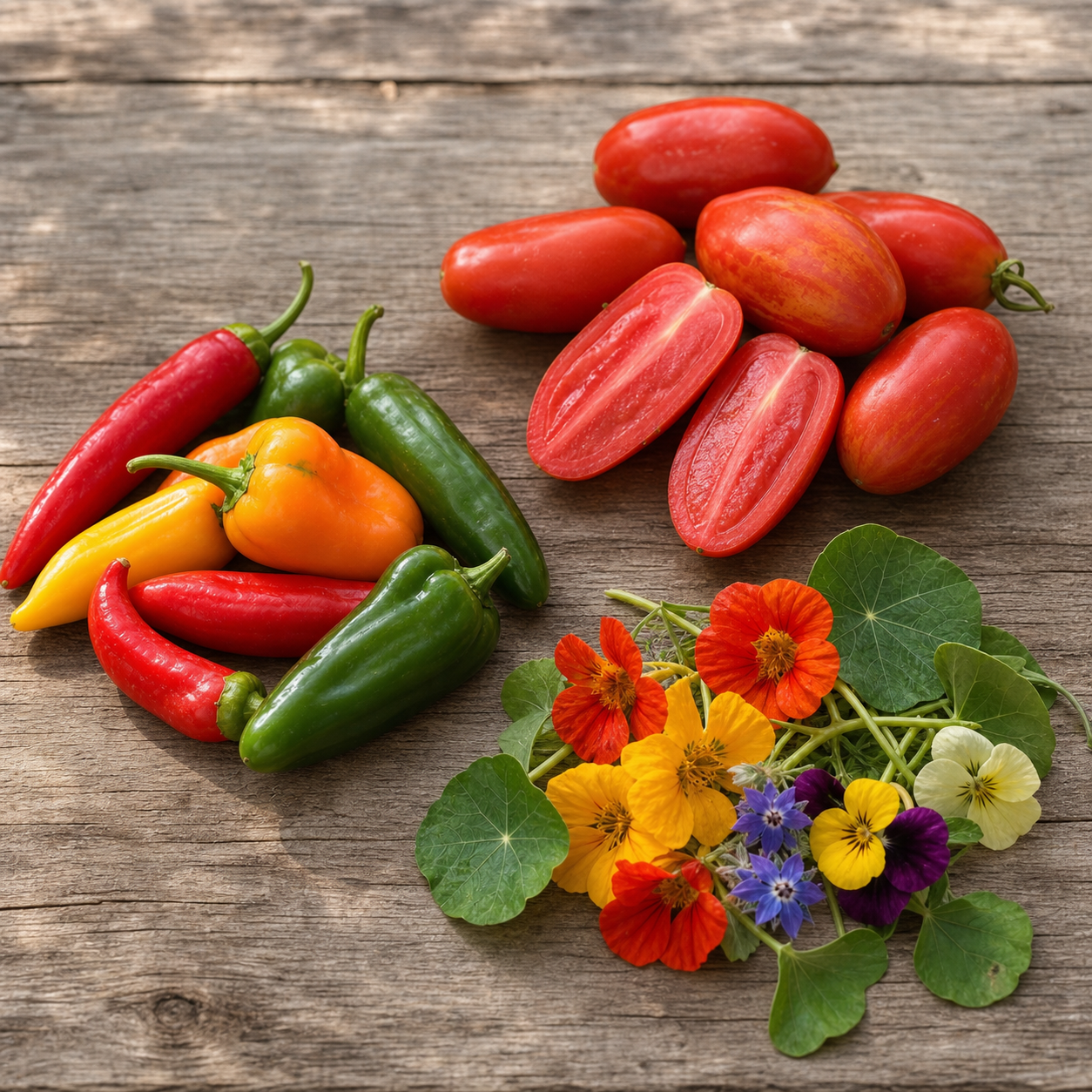
The Jimmy Nardello Italian Mild Pepper is a prized heirloom sweet pepper, treasured for its exceptional fruity sweetness and candy-like flavor. Hailing from southern Italy, it was brought to the United States in 1887 by Giuseppe and Ange...
Shop all pepper seeds in Canada
- Origin
- Italy
The Jimmy Nardello Italian Mild Pepper is a prized heirloom sweet pepper, treasured for its exceptional fruity sweetness and candy-like flavor. Hailing from southern Italy, it was brought to the United States in 1887 by Giuseppe and Angella Nardello and is named after their son, Jimmy, who preserved the variety.
- Sweet and fruity: The flavor is famously sweet and rich, with fruity undertones that are delicious both fresh and cooked. The sweetness intensifies as the pepper ripens.
- Zero heat: Despite its fiery red appearance, the Jimmy Nardello contains no capsaicin and has a Scoville rating of 0, making it entirely heatless.
- Thin walls: Unlike bell peppers, it has thin walls and skin, which makes it particularly well-suited for frying.
- Frying: This is the most traditional preparation. The peppers are fried in olive oil until the skin blisters and the flesh becomes soft, buttery, and caramelized. A sprinkle of sea salt is all that's needed to finish them.
- Eating fresh: The sweet flavor is so pleasant that the peppers can be eaten raw, sliced into salads, or enjoyed as a snack.
- Roasting and grilling: Like frying, roasting or grilling brings out the pepper's sweetness and adds a smoky depth.
- Other applications: Its flavor and thin skin make it great for drying and grinding into a powder. It can also be pickled, layered in sandwiches, or chopped into relishes.
Start indoors 8–10 weeks before last frost. Germinate at 26–30 °C on a heat mat; peppers stall below 22 °C. Pot up to 10–15 cm before hardening off outside after nights stay above 12 °C.
Feed balanced through bloom, then bump potassium for fruiting. Stake taller varieties. More detail in our full Canadian growing guide.
Match the pepper to the technique: thin-walled varieties blister fast in a hot pan; thick-walled ones roast or stuff beautifully; fruit-forward ones make balanced sauces and pickles. The variety's flavour profile is your shortcut — see Choosing the right pepper for a use-case guide.


