





The best culinary seeds are not a fixed top-ten list. They are crops that fit your season, provide a useful quantity, and solve a kitchen need. Canadian gardens benefit from a mix of fast direct-sown crops and warm-season plants started indoors.
Best fast crops for early and repeat harvests
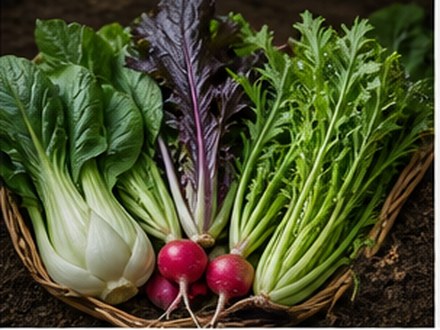
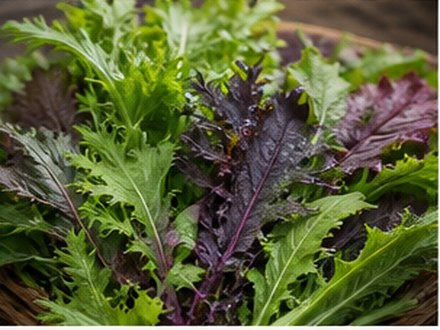
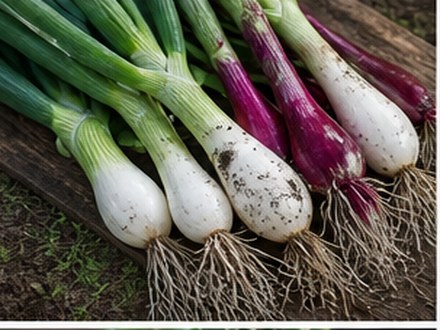
Radishes, leafy greens, scallions, and many herbs can be sown in small batches. Watermelon Radish adds crisp colour, while China Rose Radish and Daikon support pickles, salads, and cooked dishes.
Best herbs for high kitchen value
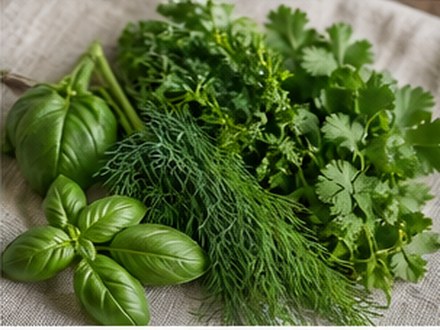
Basil, dill, cilantro, culantro, parsley, and chervil are expensive to buy repeatedly and lose quality after harvest. Grow Lemon Basil for fish and salads, Delfino Cilantro for repeated leaf harvests, and Menuette Parsley for compact texture.
Best warm-season staples
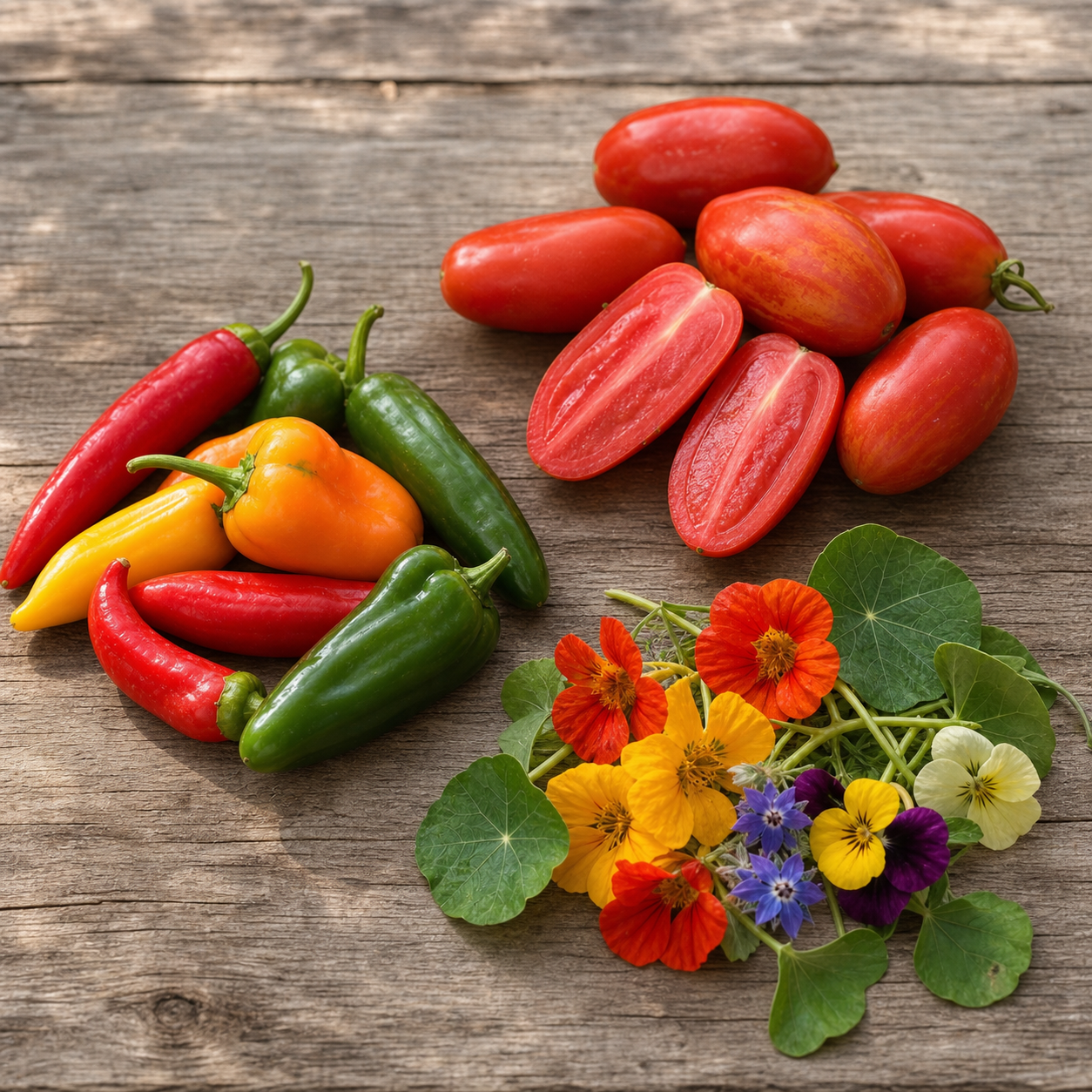
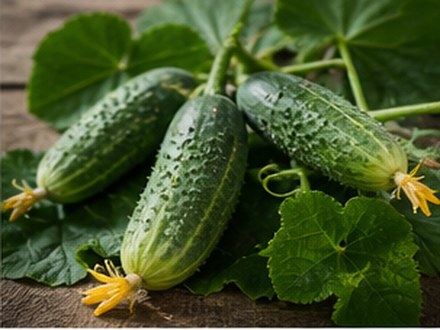
Tomatoes, peppers, eggplants, and cucumbers deserve indoor or protected planning. Choose one crop for fresh eating and one for preservation. Midnight Roma supports sauce, Ajvarski Pepper supports roasting, and Lemon Cucumber is useful fresh or pickled.
Best crops for visual variety
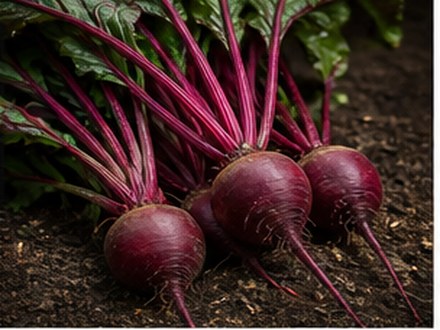
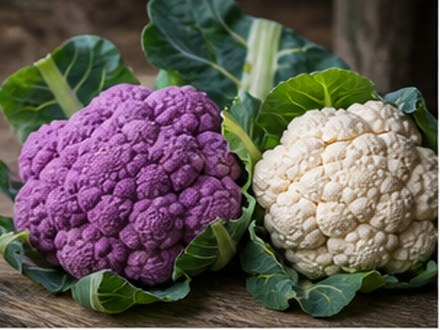
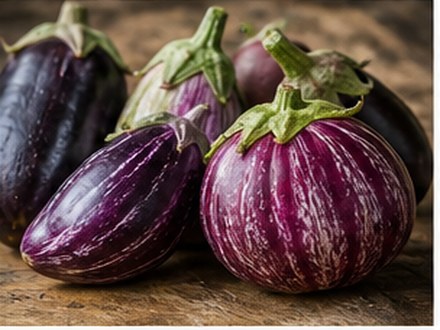
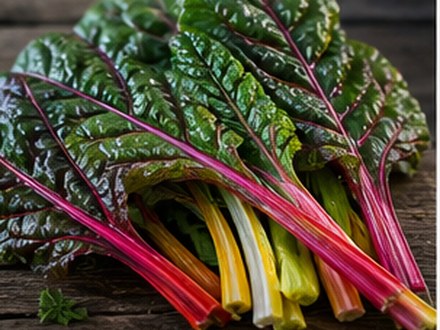
Visual crops should still taste good. Purple Moon Cauliflower, Turkish Orange Eggplant, Golden Beet, and Eldorado Chard bring colour while remaining familiar to cook.
Best preserving crops
For jars and ferments, grow compact cucumbers, small peppers, firm roots, onions, and dill. Repeated sowings matter because one large planting can mature all at once. See the best seeds for pickles and pantry jars for combinations.
A twelve-crop Canadian culinary garden
- One paste tomato
- One colourful slicing tomato
- One sweet or roasting pepper
- One hot or seasoning pepper
- One cucumber
- One eggplant
- One radish
- One beet or chard
- Basil
- Cilantro or culantro
- Dill or parsley
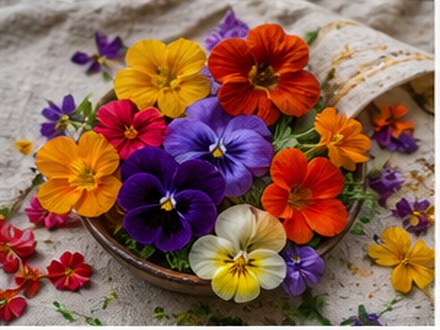
- One edible flower
This plan creates fresh harvests, cooking ingredients, and preserving crops without requiring every category in the catalogue.
Match the garden to available time
Gardeners with limited time should emphasize direct-sown roots, durable herbs, compact tomatoes, and crops that can be harvested across a window. Gardeners who enjoy seedling care can add peppers, eggplants, and long-season specialties.
Choose the purpose before the variety
Write down five dishes you cook in summer and three things you preserve. That list will reveal which seeds deserve space. Use our guide to culinary seeds to organize the categories.
Browse all culinary seeds in Canada
Plan around the first and last frost
Cool crops can begin before warm-season plants move outside, and another round can follow as summer heat fades. Use spring for radishes, greens, cilantro, and chervil; summer for tomatoes, peppers, cucumbers, basil, and eggplant; and late summer for fall roots and greens. This keeps the garden productive instead of reserving every bed for one summer harvest.
Use succession sowing strategically
Do not succession-sow everything. It is most valuable for radishes, cilantro, dill, leafy greens, scallions, and small roots. Tomatoes and peppers usually need one well-timed indoor start. Cucumbers can benefit from a second sowing only when the remaining season is long enough.
Protect the high-value crops
Give the warmest space to peppers, eggplants, and long-season tomatoes. Use trellises for cucumbers and indeterminate tomatoes so lower crops can use the remaining light. Mulch only after soil warms, and keep a row cover available for sudden spring or fall cold.
How many varieties are enough?
One useful variety in six categories is a better first plan than thirty packets without space. Expand only after you know which harvests you used, preserved, shared, or allowed to spoil. Kitchen notes should guide next year's seed order as much as garden performance.