


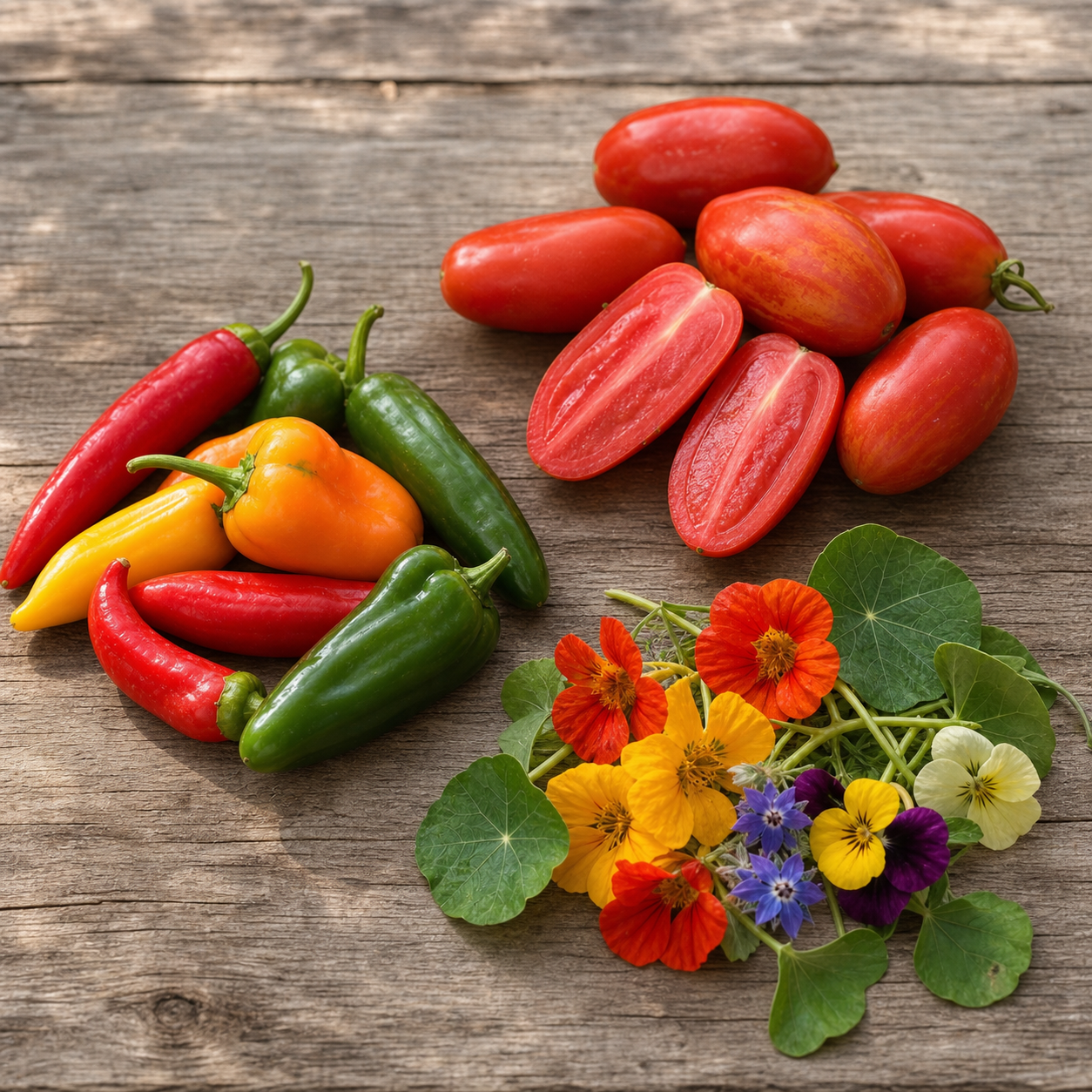



Culinary seeds are seeds selected because the harvest has a clear place in the kitchen. The category includes vegetables, herbs, edible flowers, unusual roots, sauce crops, pickling crops, and visually distinctive ingredients. It is less about botanical classification than about usefulness after harvest.
A culinary garden begins with dishes
Start with the food you cook. A salsa garden needs tomatoes, peppers, cilantro or culantro, and perhaps tomatillos. A preserving garden needs cucumbers, radishes, onions, dill, and compact peppers. A chef-style garnish garden may favour herbs, edible flowers, colourful chard, and unusual small vegetables.
The main culinary seed groups
Flavour foundations
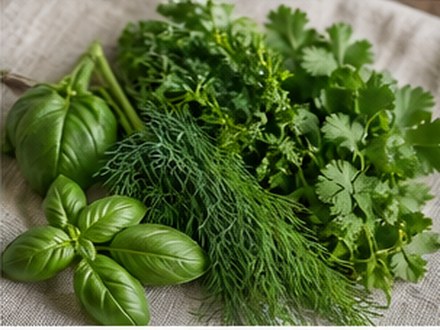
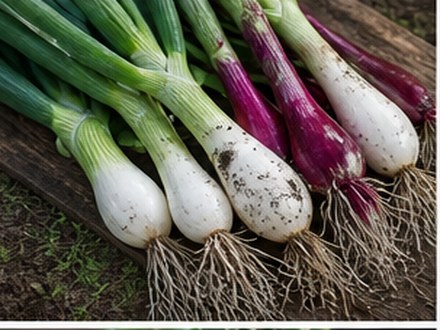
Herbs, onions, scallions, peppers, and tomatoes create the base of sauces, soups, marinades, and fresh dishes. Culantro, Delfino Cilantro, and Genovese Basil are easy ways to grow flavour that is expensive or fragile at the grocery store.
Preserving crops
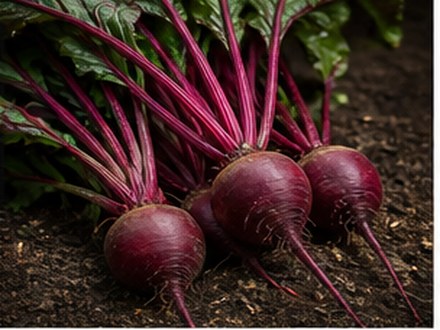
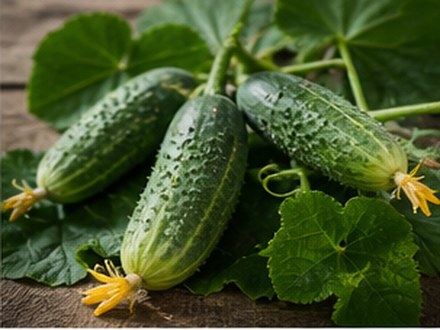
Cucumbers, radishes, beets, peppers, and dill fit pickles, ferments, relishes, and pantry jars. Small fruit and roots often pack more evenly than oversized varieties. Try Lemon Cucumber, Watermelon Radish, or Dill.
Plate-building crops
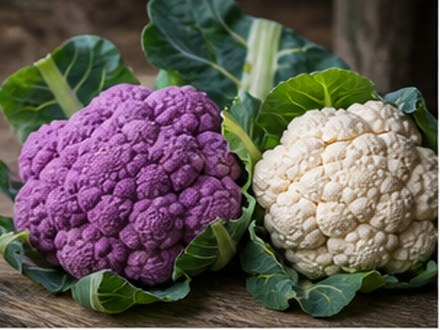
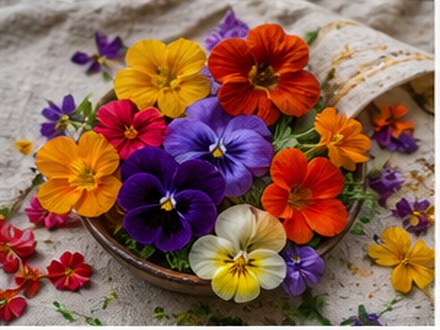
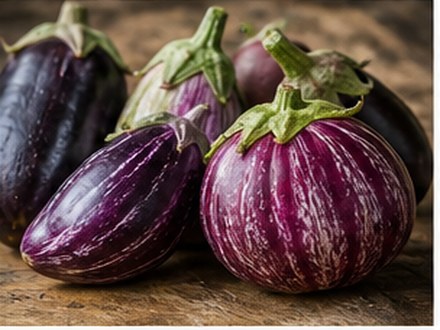
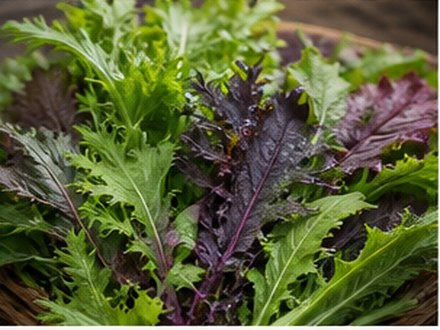
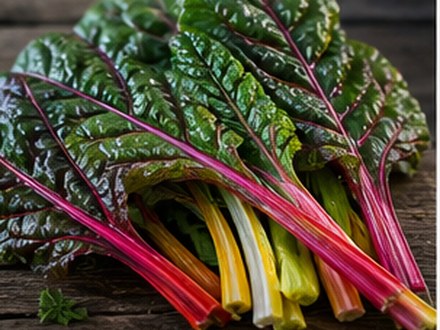
Colourful tomatoes, eggplants, cauliflower, edible flowers, and chard give a plate contrast before any garnish is added. Purple Moon Cauliflower, Listada de Gandia Eggplant, and Bright Lights Chard are useful, not merely decorative.
How culinary seeds differ from novelty seeds
An unusual colour or shape can be valuable, but it should not be the only reason to grow something. Ask whether the crop has good flavour, manageable maturity, a known cooking method, and enough yield to justify the space. The strongest unusual varieties make ordinary meals better.
Plan by harvest window
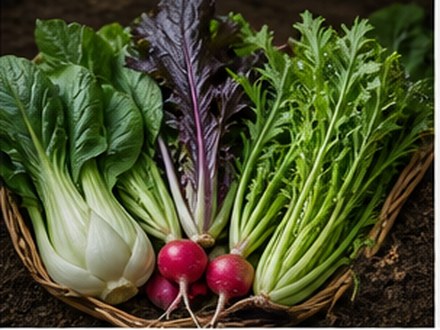
Combine quick crops such as radishes and leafy greens with longer tomatoes, peppers, eggplants, and squash. Sow herbs in more than one batch. Succession planting prevents the kitchen from receiving one overwhelming harvest followed by nothing.
Plan by preservation method
| Kitchen method | Useful crops |
|---|---|
| Fresh salads | Tomatoes, cucumbers, radishes, herbs, edible flowers |
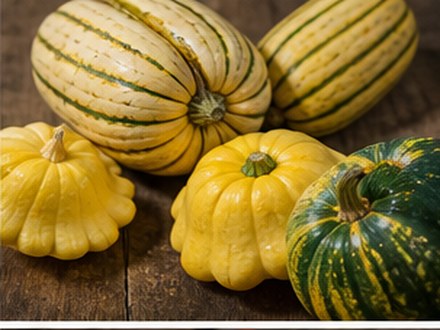
| Roasting | Peppers, cauliflower, beets, squash, eggplant |
| Pickling | Cucumbers, radishes, peppers, dill, onions |
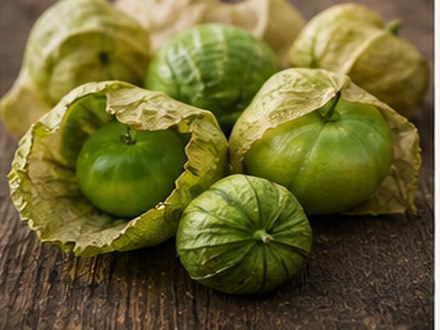
| Sauces | Paste tomatoes, peppers, herbs, tomatillos |
| Drying | Herbs, thin-walled peppers, tomatoes |
Start small and specific
A useful first culinary garden can be six crops: one tomato, one pepper, one cucumber, one root, one herb, and one edible flower. Choose varieties that support meals you already enjoy, then add unfamiliar crops after you know how the core garden behaves.
Continue with the best culinary seeds for Canadian gardens or browse all culinary seeds available from Casa Verde.
Culinary seeds for small spaces
A balcony or patio can still support a complete flavour garden. Use one compact tomato, one pepper, one cucumber on a trellis, and several herbs in separate containers. Radishes and leafy greens fit shallow intervals, while edible flowers can share edges when their water needs match the main crop.
Culinary seeds for chefs and serious home cooks
Professional and ambitious home kitchens benefit from crops that are difficult to buy consistently: tender herbs, seasoning peppers, unusual small tomatoes, edible flowers, and vegetables harvested at a precise stage. The point is not to replace wholesale produce. It is to grow the ingredient whose freshness, variety, or presentation changes the dish.
Questions to ask before ordering
- Which dish or preserving method will use the harvest?
- Will the crop mature in my season or protected space?
- Do I need one large harvest or repeated small harvests?
- Can I provide the support, container depth, or indoor start it needs?
- Is this variety meaningfully different from something I already grow?
These questions turn a broad seed catalogue into a focused kitchen plan. They also prevent the common mistake of buying several visually similar crops while forgetting foundational herbs or preservation ingredients.