





Culantro
15 Seeds+ · 🌿 Culantro SeedsEryngium foetidum · A tropical herb with bold personality 🌴🔥, Culantro is the spiky-leafed cousin of cilantro that packs even more flavor. Native to the Caribbean and Central America 🌎, it’s a key ingredient...
Shop all pepper seeds in Canada
- Season
- 2026
15 Seeds+
🌿 Culantro Seeds
Eryngium foetidum
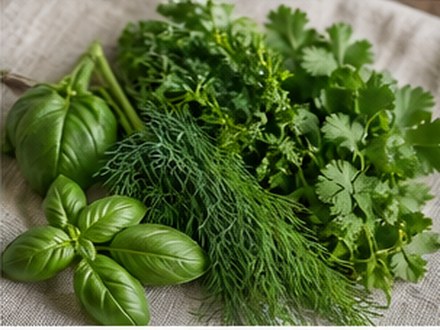
A tropical herb with bold personality 🌴🔥, Culantro is the spiky-leafed cousin of cilantro that packs even more flavor. Native to the Caribbean and Central America 🌎, it’s a key ingredient in sofrito, salsas, and curries — delivering a concentrated cilantro-like punch 🌿🌶️. Unlike delicate cilantro, culantro thrives in heat 🌞 and humidity, producing steady harvests of robust, aromatic leaves.
👅 Flavor Profile:
Strong cilantro-like 🌿, pungent 🌶️, with earthy and peppery undertones.
🍴 Culinary Uses:
🥘 Essential in Puerto Rican sofrito, stews, and rice dishes
🌮 Add chopped to tacos, salsas & guacamole for bold depth
🍲 Use in Southeast Asian soups, curries & noodle dishes
🥗 Finely slice into marinades, chutneys, and dipping sauces
🥩 Rub into meats or seafood before grilling for herbal punch
👨🍳 Chef’s Pitch:
Culantro is the chef’s bold herb 🌿👨🍳🔥. With flavor stronger than cilantro and heat-loving resilience, it’s a cornerstone of Caribbean, Latin American, and Southeast Asian cuisine. Perfect for chefs who want authentic regional flavor + garden reliability.
🌱 Growing Notes:
🪴 Tender perennial in tropics, grown as annual in cooler zones
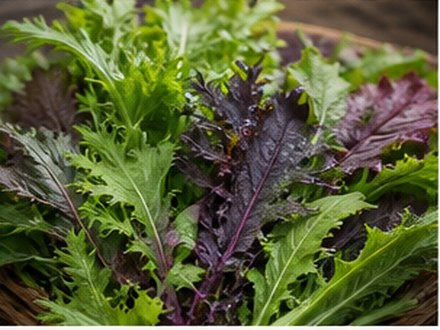
🌿 Spiky, serrated leaves, harvested fresh
🌞 Loves full sun to part shade, thrives in heat & humidity
⏱ Harvest 60–70 days from sowing, cut leaves continuously
🌡️ Sensitive to frost — grow indoors or protect in cool climates
✨ Quick Facts:
-
Latin Name: Eryngium foetidum
-
Habit: Tender perennial (zones 9–11), annual elsewhere
-
Flavor: Strong cilantro-like, earthy, pungent
-
Culinary Uses: Sofrito, curries, soups, salsas, marinades
-
Special Use: Heat-tolerant cilantro alternative
Start indoors 8–10 weeks before last frost. Germinate at 26–30 °C on a heat mat; peppers stall below 22 °C. Pot up to 10–15 cm before hardening off outside after nights stay above 12 °C.
Feed balanced through bloom, then bump potassium for fruiting. Stake taller varieties. More detail in our full Canadian growing guide.
Match the pepper to the technique: thin-walled varieties blister fast in a hot pan; thick-walled ones roast or stuff beautifully; fruit-forward ones make balanced sauces and pickles. The variety's flavour profile is your shortcut — see Choosing the right pepper for a use-case guide.
MORE LIKE THIS


