





Swiss Chard ‘Bright Lights’
25 Seeds+ · 🌱 Swiss Chard ‘Bright Lights’ SeedsBeta vulgaris subsp. cicla · A rainbow in the garden 🌈🌿, Swiss Chard ‘Bright Lights’ produces tender leaves with bold stems in red ❤️, orange 🧡, yellow 💛, pink 💖, and white 🤍. Both ornamen...
Shop all pepper seeds in Canada
- Season
- 2026
25 Seeds+
🌱 Swiss Chard ‘Bright Lights’ Seeds
Beta vulgaris subsp. cicla
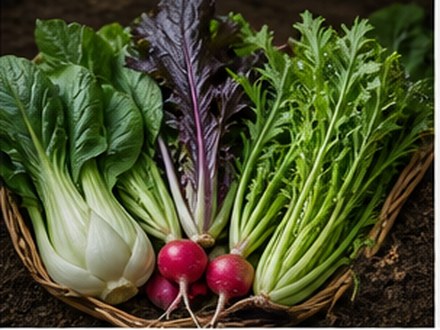
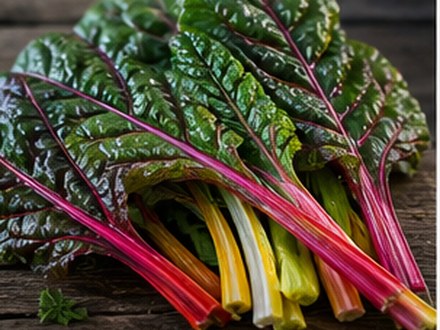
A rainbow in the garden 🌈🌿, Swiss Chard ‘Bright Lights’ produces tender leaves with bold stems in red ❤️, orange 🧡, yellow 💛, pink 💖, and white 🤍. Both ornamental and edible, this award-winning variety is as striking in the garden as it is versatile in the kitchen. Fast-growing, highly nutritious 🥗💪, and tolerant of both cool and warm weather, it’s a must-have for chefs, foodies, and gardeners alike.
👅 Flavor Profile:
Mild earthy 🌱, slightly beet-like ❤️, with a hint of nuttiness 🌰.
🍴 Culinary Uses:
🥗 Harvest young leaves for vibrant salad mixes
🥬 Use mature leaves as a spinach substitute in sautés & stir-fries
🍲 Add to soups & stews for color + nutrition
🥟 Wrap leaves around grains or fillings as a healthy alternative
🧄 Sauté stems with garlic & olive oil for a rainbow side dish
👨🍳 Chef’s Pitch:
‘Bright Lights’ Swiss Chard is the chef’s rainbow green 🌈👨🍳✨. Its colorful stems and tender leaves add visual pop + earthy flavor to plates, grain bowls, and fine dining dishes. A crop that’s both nutritious and gorgeous, it belongs in every chef’s kitchen garden.
🌱 Growing Notes:
🪴 Annual/biennial, 12–20” tall
🌈 Stems in a wide range of neon colors, tender dark-green leaves
⏱ Harvest baby leaves in 30 days, mature leaves in 55–60 days
🌞 Thrives in full sun but tolerates part shade
📦 Cut-and-come-again — keeps producing all season
✨ Quick Facts:
-
Latin Name: Beta vulgaris subsp. cicla (‘Bright Lights’)
-
Habit: Annual/biennial, 12–20” tall
-
Flavor: Mild earthy, beet-like, nutty
-
Culinary Uses: Salads, sautés, soups, wraps, stir-fries
-
Special Use: Ornamental + edible rainbow stems
Start indoors 8–10 weeks before last frost. Germinate at 26–30 °C on a heat mat; peppers stall below 22 °C. Pot up to 10–15 cm before hardening off outside after nights stay above 12 °C.
Feed balanced through bloom, then bump potassium for fruiting. Stake taller varieties. More detail in our full Canadian growing guide.
Match the pepper to the technique: thin-walled varieties blister fast in a hot pan; thick-walled ones roast or stuff beautifully; fruit-forward ones make balanced sauces and pickles. The variety's flavour profile is your shortcut — see Choosing the right pepper for a use-case guide.


