




 Kitchen Pepper
Hot Portugal
10+ Seeds/Packet · 🔥 Hot Portugal Pepper Capsicum annuum · 🇵🇹 A true Old World classic! The Hot Portugal Pepper is one of the earliest hot peppers to ripen, making it a favorite for northern growers 🌱. Long, slender pods (6–8 inches 📏)...
Shop all pepper seeds in Canada
- Packet
- 10
- Season
- 2026
10+ Seeds/Packet
🔥 Hot Portugal Pepper
Capsicum annuum
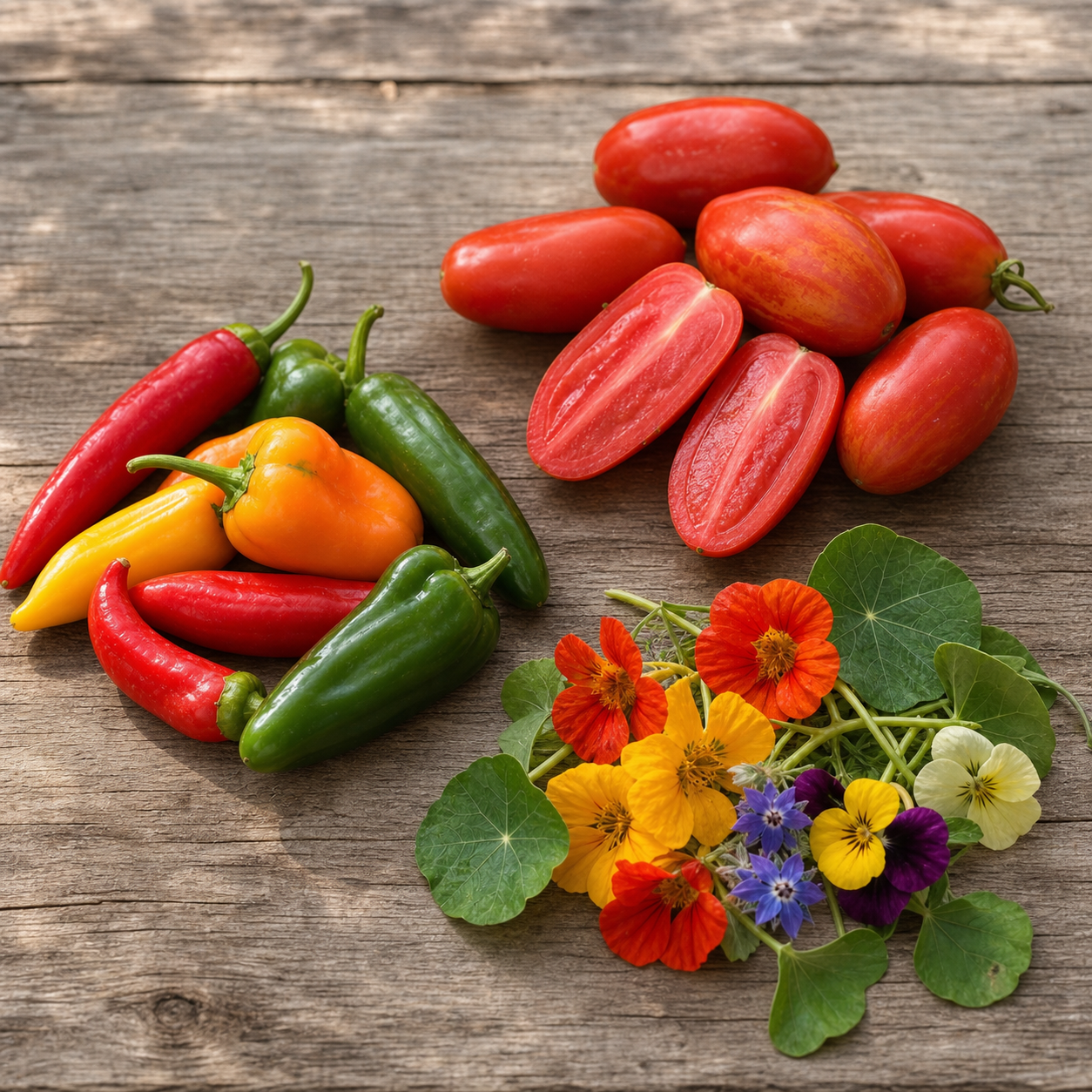
🇵🇹 A true Old World classic! The Hot Portugal Pepper is one of the earliest hot peppers to ripen, making it a favorite for northern growers 🌱. Long, slender pods (6–8 inches 📏) ripen to a brilliant red ❤️ and deliver a smooth, zesty heat. Highly productive and perfect for both fresh use and preserving.
👅 Flavor Profile:
Sweet 🌸, slightly smoky 🌫️, with a lively heat 🌶️🔥 that’s not overwhelming.
🍴 Culinary Uses:
-
🌭 Traditional pepper for making Portuguese linguiça sausage
-
🍕 Slice fresh for pizza + sandwiches
-
🌶️ Roast or grill for smoky-sweet depth
-
🥫 Excellent for hot sauces + chili pastes
-
🧄 Pairs beautifully with garlic, olive oil, and seafood 🦐
👨🍳 Chef’s Pitch:
Hot Portugal is heat with heritage. Long, vibrant red chilies that roast beautifully, slice cleanly, and bring a balanced heat chefs can actually work with 👌. Ideal for stuffing, grilling, or weaving into Mediterranean sauces. A chef’s pepper that adds both authenticity 🇵🇹 and flavor punch 💥.
🌱 Growing Notes:
-
⏱ Early maturing (great for shorter seasons!)
-
📏 Fruits 6–8 inches long
-
🌶️ Heavy yields all season long
🌶 Scoville Heat Units (SHU): 5,000–30,000 (mild–medium, similar to cayenne).
Planning a Canadian pepper garden? Explore more pepper seeds available in Canada and read our guide to the best pepper varieties for Canadian gardens.
Start indoors 8–10 weeks before last frost. Germinate at 26–30 °C on a heat mat; peppers stall below 22 °C. Pot up to 10–15 cm before hardening off outside after nights stay above 12 °C.
Feed balanced through bloom, then bump potassium for fruiting. Stake taller varieties. More detail in our full Canadian growing guide.
Match the pepper to the technique: thin-walled varieties blister fast in a hot pan; thick-walled ones roast or stuff beautifully; fruit-forward ones make balanced sauces and pickles. The variety's flavour profile is your shortcut — see Choosing the right pepper for a use-case guide.


