


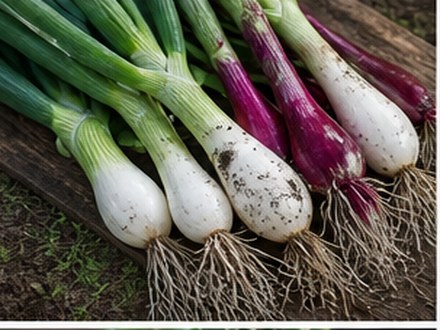
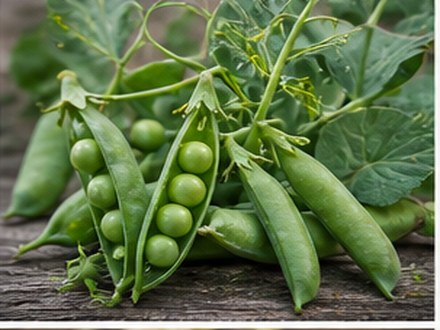

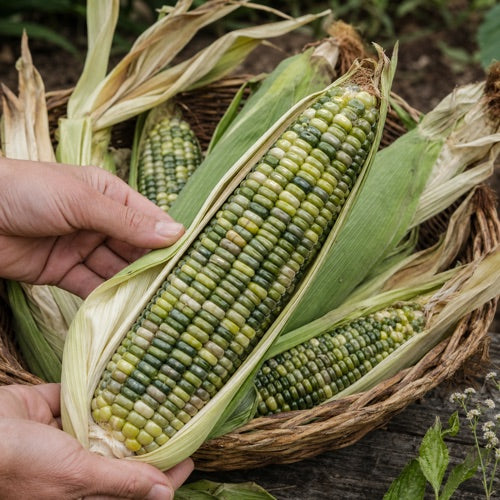

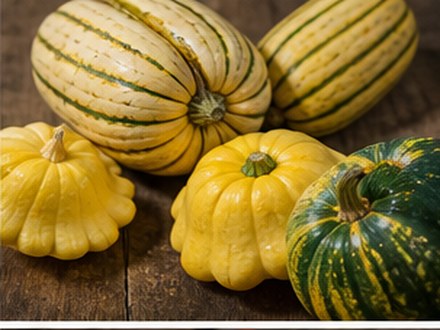

Rare vegetable seeds can preserve regional food history, introduce a flavour unavailable in grocery stores, or simply make a familiar crop more interesting. A good rare-seed garden is not a random collection. Every variety should have a reason to earn space.
What makes a vegetable seed rare?
Rare can mean limited commercial availability, a small regional following, unusual genetics, an heirloom maintained by a few growers, or a colour and shape outside modern grocery standards. Rare does not automatically mean old, better tasting, difficult, or endangered.
Rare tomatoes
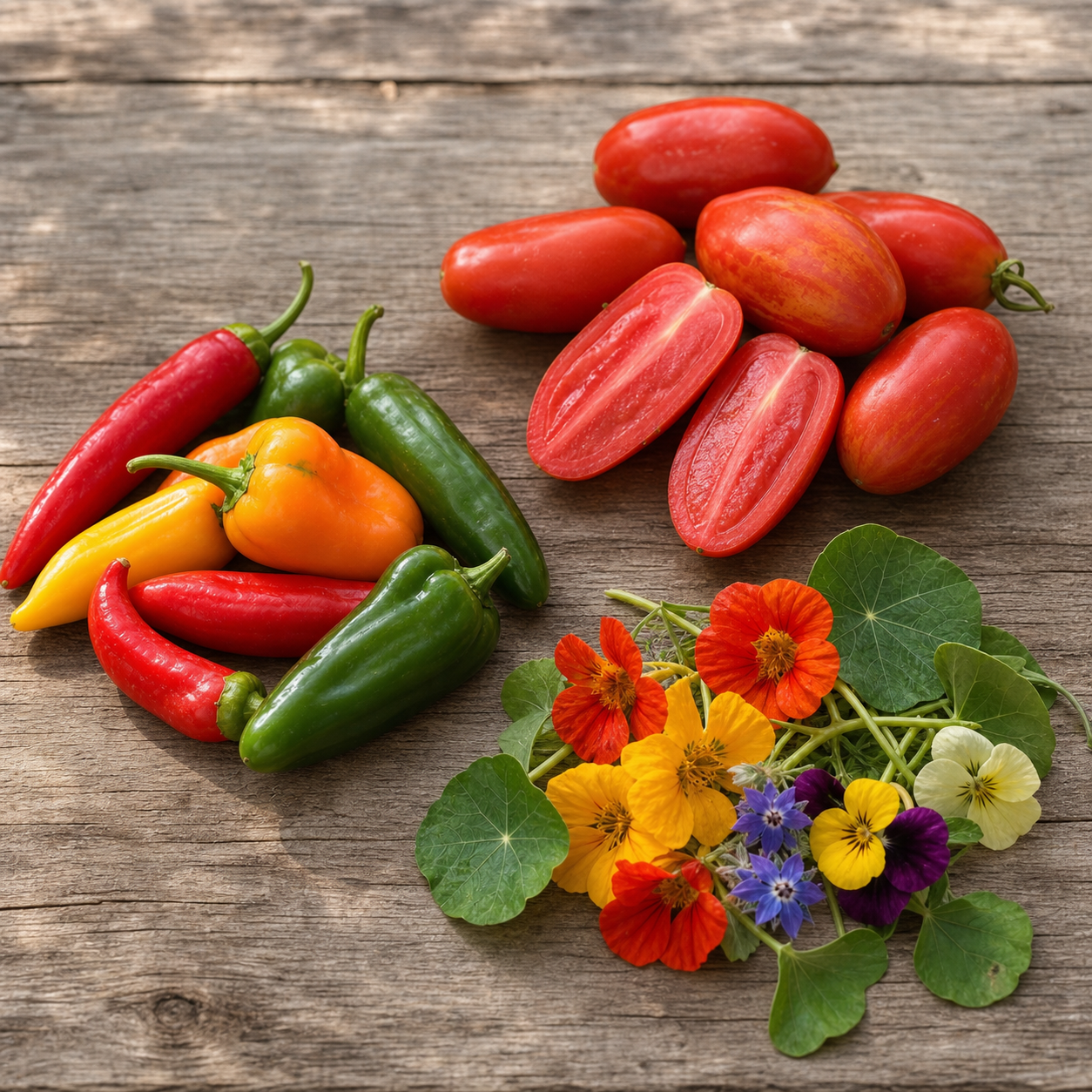
Tomatoes offer some of the most accessible collecting. Black Beauty Tomato, Ananas Noir, and Sart Roloise combine distinctive colour with clear fresh-eating value.
Rare cucumbers and eggplants
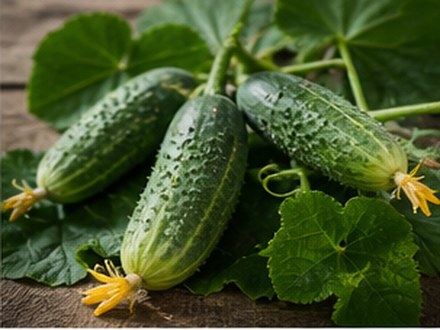
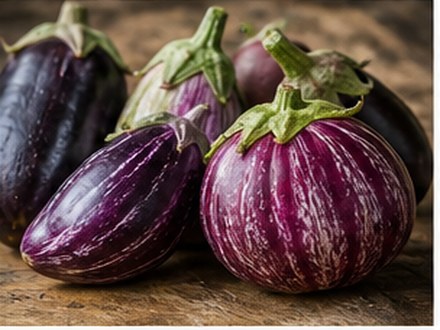
Richmond Apple Cucumber and Striped Armenian Cucumber change shape and texture without becoming impractical. Turkish Orange Eggplant and Listada de Gandia bring regional identity and colour to cooked dishes.
Rare roots and brassicas
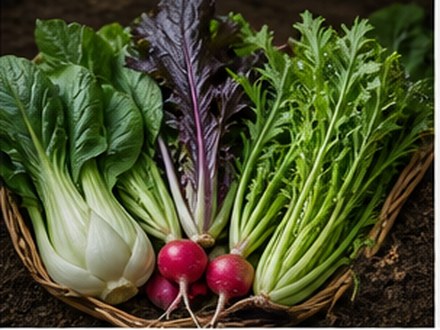
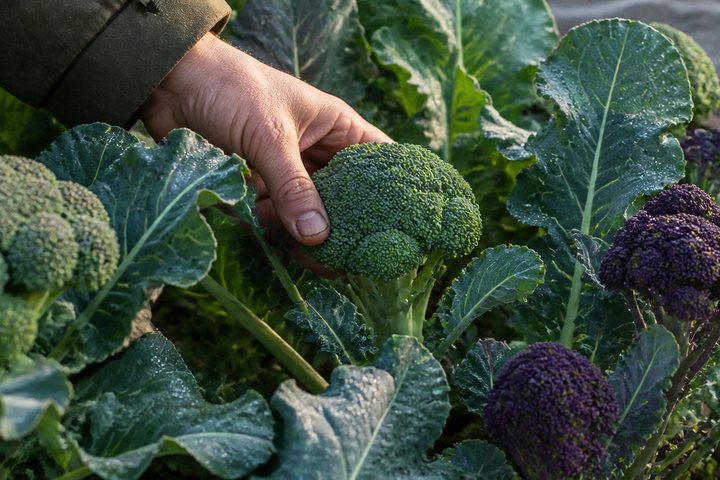
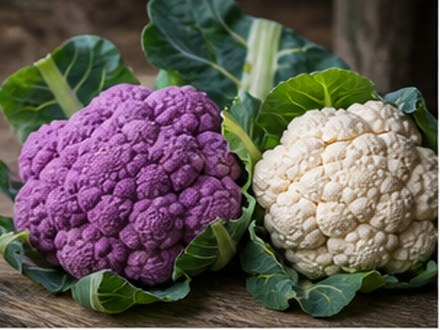
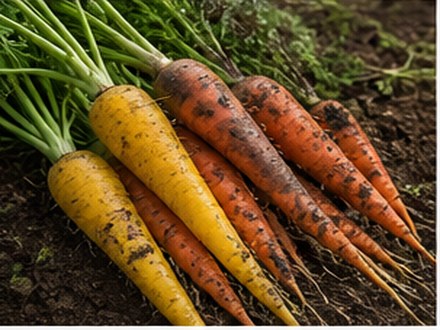
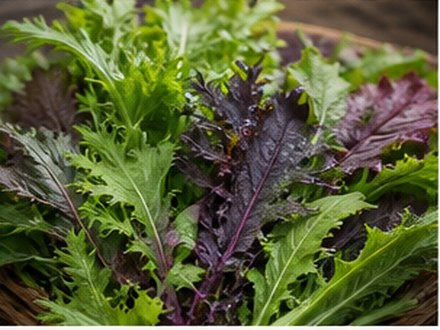
Watermelon Radish, Round Black Spanish Radish, Purple Moon Cauliflower, and Murasaki Fioretto prove that unusual crops can still support ordinary kitchen methods.
Rare herbs
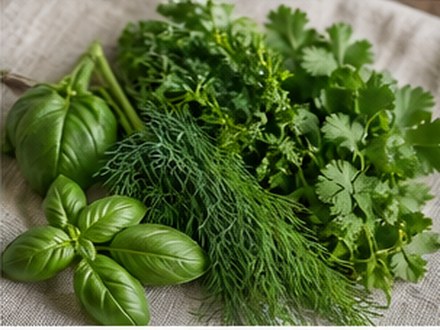
Herbs are a small-space route into collecting. Purple Ruffles Basil, Lime Basil, Culantro, and Chervil create flavours and colours that are difficult to buy fresh.
Choose rare seeds for a Canadian season
Check indoor lead time, days to maturity, plant size, and whether the crop is useful before full maturity. A long-season tomato may need a protected spot, while roots, herbs, and cucumbers can provide quicker collector harvests.
| Collector goal | Strong category |
|---|---|
| Unusual fresh flavour | Tomatoes, herbs, cucumbers |
| Winter storage | Roots, squash, onions |
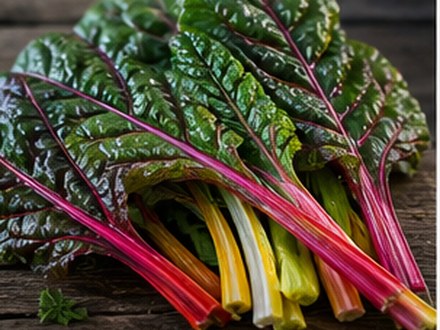
| Plate colour | Cauliflower, chard, tomatoes, eggplant |
| Seed saving | Open-pollinated tomatoes, beans, herbs |
| Small-space collecting | Herbs, radishes, micro-dwarf tomatoes |
Keep records
Label every variety, photograph the plant and harvest, record sowing and ripening dates, and write down flavour and yield. Those notes distinguish a collection from repeated impulse buying.
Use the practical guide to choosing rare seeds to build a shortlist, then browse specialty seeds available in Canada.
Rare, heirloom, and open-pollinated are different ideas
An heirloom is a variety with a history of being maintained over time, although definitions vary. Open-pollinated describes how a population reproduces and can generally be saved true to type when crossings are controlled. Rare describes availability or uncommon traits. A seed can be one, two, or all three, so read the actual variety description instead of treating the labels as interchangeable.
Where rare seeds earn their value
Rare crops are most convincing when the grocery substitute is weak. A ripe dark tomato, fresh culantro, crisp unusual cucumber, colourful cauliflower, or regional cooking pepper may deliver a flavour or texture that shipping and shelf life erase. That difference is stronger than novelty alone.
Start with low-risk categories
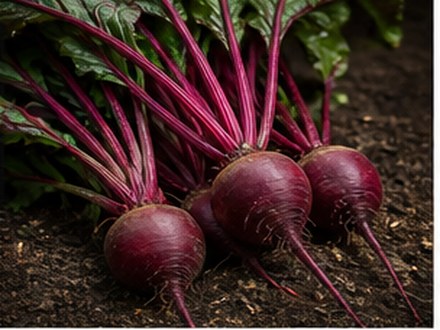
New collectors can begin with radishes, herbs, compact tomatoes, cucumbers, chard, and beets. These categories offer unusual colour and flavour without demanding the longest season. Add one long-season tomato, eggplant, pepper, or squash as the experiment rather than making every crop difficult.
Buy from sources that identify the variety
Useful listings provide a stable variety name, basic growing information, and enough description to distinguish the crop. Keep your seed packets and order records. Accurate names allow gardeners to compare results, find cultural history, and avoid turning a collection into unlabeled mixtures.
A thoughtful rare-seed order should make next season more informative as well as more colourful.