


Murasaki Fioretto 70 Sprouting Cauliflower (F1)
Murasaki Fioretto 70 Sprouting Cauliflower (F1) Non-GMO | High-Yield Hybrid | The Elegant Sprouting Specialty · The Culinary Edge 💜 Stop settling for dense, heavy heads that require aggressive chopping. Murasaki Fioretto 70 is a "sprout...
Shop all pepper seeds in Canada
Murasaki Fioretto 70 Sprouting Cauliflower (F1)
Non-GMO | High-Yield Hybrid | The Elegant Sprouting Specialty
The Culinary Edge 💜
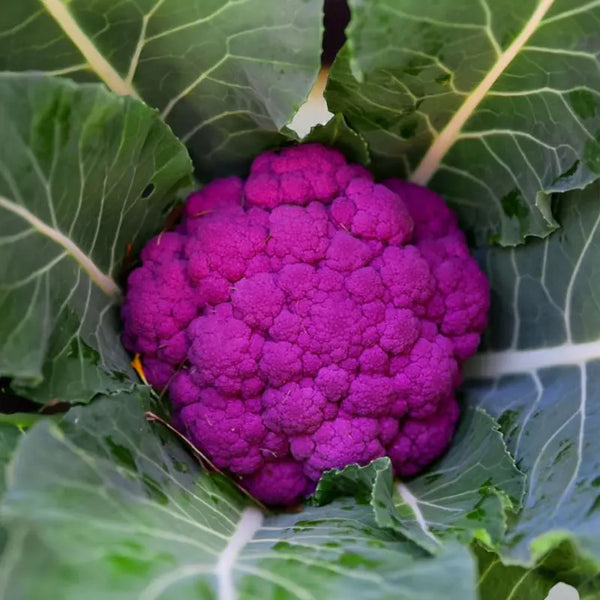
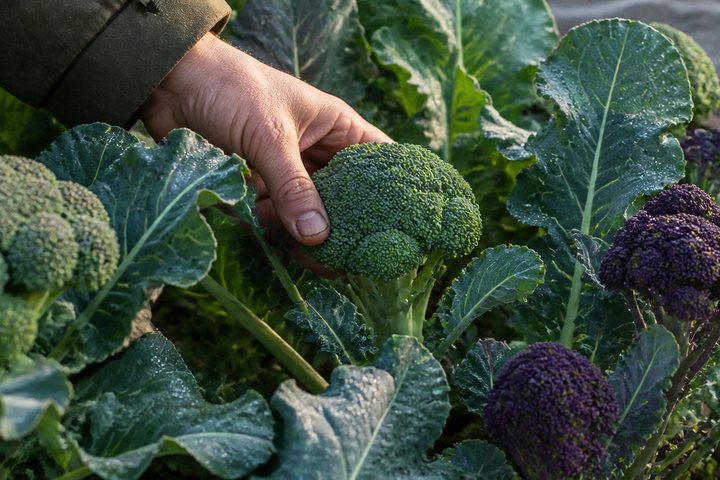
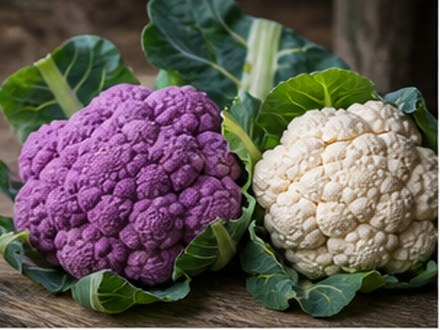
Stop settling for dense, heavy heads that require aggressive chopping. Murasaki Fioretto 70 is a "sprouting" or "stick" cauliflower that redefines the vegetable entirely. Instead of one solid curd, it produces long, elegant lime-green stems topped with vibrant, deep-violet florets. This variety is a favorite among chefs for its "built-in" portion control and a tender, succulent texture that eats more like asparagus than traditional brassicas.
At A Glance:
| Feature | Specification |
| 👅 Flavor Profile | Exceptionally Sweet / Nutty & Tender |
| 🎨 Visual Contrast | Violet Florets on Bright Lime-Green Stems |
| ⏱️ Maturity | 70 Days (From Transplant) |
| 🔢 Quantity | 5+ Premium Seeds per Packet |
✨ Flavor Profile
-
Superior Sweetness: This variety lacks the cabbage-like bite of standard cauliflower, offering a notably high sugar content that intensifies when cooked.
-
Tender Stems: Unlike traditional cauliflower stalks which can be woody, the "sticks" of Fioretto are crisp, juicy, and entirely edible.
🍴 Culinary Versatility
-
The Perfect Char: Because of the open, airy structure, these florets roast and char much faster than traditional cauliflower, making them ideal for high-heat sheet pan meals.
-
Stir-Fry Star: The long stems provide a beautiful vertical element to Asian-inspired dishes, maintaining their violet-to-green contrast even after a quick toss in the wok.
-
Elegant Crudité: Serve whole "sprigs" on a platter for a sophisticated dipping experience that showcases the striking bi-color architecture of the plant.
🌱 Growing Notes
-
Extended Harvest: Unlike a single-head cauliflower, sprouting types allow for a more flexible harvest window. It performs beautifully in the Montreal region's autumn cooling, which helps lock in the deep violet pigment.
-
No Manual Blanching: The open habit of the plant means you never have to tie leaves; the more light the florets receive, the more intense the purple coloration becomes.
-
Space Efficient: Its upright growth habit makes it an excellent candidate for intensive gardening or larger container systems where space is at a premium.
Start indoors 8–10 weeks before last frost. Germinate at 26–30 °C on a heat mat; peppers stall below 22 °C. Pot up to 10–15 cm before hardening off outside after nights stay above 12 °C.
Feed balanced through bloom, then bump potassium for fruiting. Stake taller varieties. More detail in our full Canadian growing guide.
Match the pepper to the technique: thin-walled varieties blister fast in a hot pan; thick-walled ones roast or stuff beautifully; fruit-forward ones make balanced sauces and pickles. The variety's flavour profile is your shortcut — see Choosing the right pepper for a use-case guide.
MORE LIKE THIS