


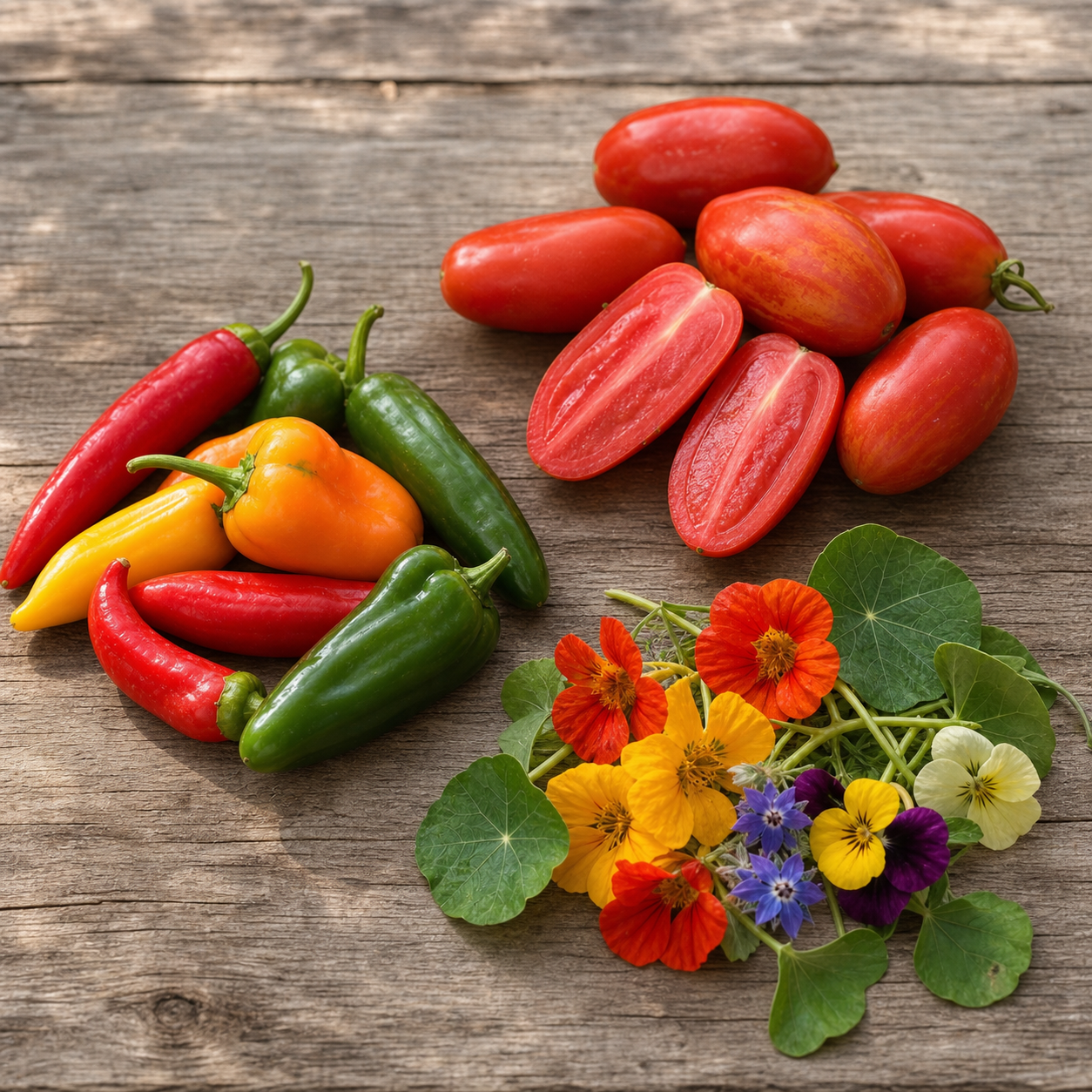



Rare-seed catalogues make everything look essential. Garden space disagrees. The strongest collector gardens use contrast and purpose: one variety for flavour, another for history, another for colour, and another for preservation.
Step 1: define the reason
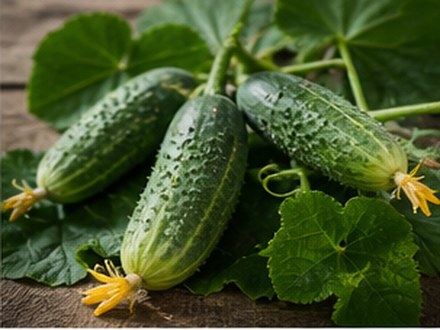
Write one sentence for each candidate. Examples: a paste tomato for striped sauce, a cucumber for crisp pickles, a basil for citrus aroma, or a cauliflower for colour. If the sentence is only "it looks strange," decide whether that is enough.
Step 2: score climate fit
Check days to maturity, whether the count begins at transplant, indoor lead time, and plant size. Canadian gardeners should balance ambitious warm-season crops with reliable roots, herbs, greens, and compact varieties.
Step 3: score kitchen usefulness
A rare variety becomes more valuable when it supports more than one method. A tomato that works fresh and in sauce, a pepper that can be eaten green or ripe, or a radish that works raw and pickled is easier to justify.
Step 4: choose contrast
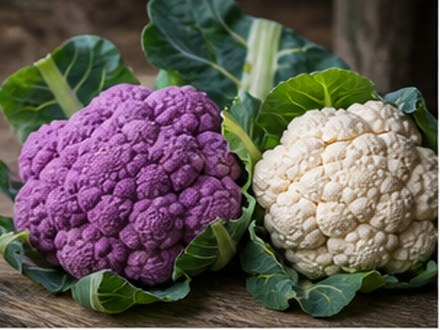
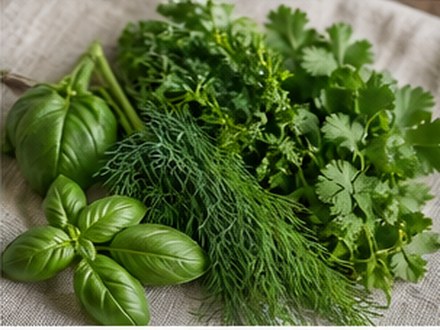
Do not buy six tomatoes that differ only slightly. Mix categories, maturity windows, plant habits, and uses. A balanced collector bed might include Black Beauty Tomato, Lemon Cucumber, Purple Moon Cauliflower, and Purple Ruffles Basil.
Step 5: check seed-saving requirements
Open-pollinated varieties can generally produce seed that resembles the parent when crossings are controlled. Different crops have different isolation needs. Buy rare seed because you want to grow it first; learn the crop before promising yourself a seed-saving project.
A simple ten-point scorecard
| Question | Points |
|---|---|
| Fits my season or protected space | 0-2 |
| Has a clear kitchen use | 0-2 |
| Adds a genuinely new trait | 0-2 |
| Fits available garden space | 0-2 |
| I will record and evaluate it | 0-2 |
Give first priority to varieties scoring eight or more. A lower score can still be worth growing, but it should be treated as an experiment rather than the foundation of the garden.
Build a collector garden in layers
Start with three reliable unusual crops, two moderate experiments, and one long-shot variety. That structure creates useful harvests even if the most ambitious crop struggles.
Record the result
Note germination, transplant date, first harvest, total yield, flavour, disease issues, and whether you would grow it again. Collector notes become more valuable than catalogue descriptions after one season.
Read the rare vegetable seeds in Canada guide for category ideas and the beginner guide to rare seeds that are still easy for low-risk choices.
Explore Casa Verde specialty seeds
Example collector plan for one raised bed
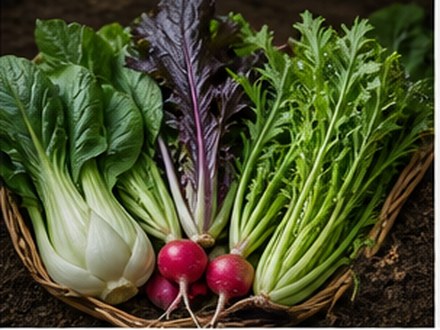
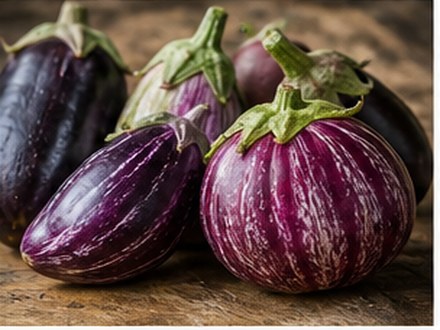
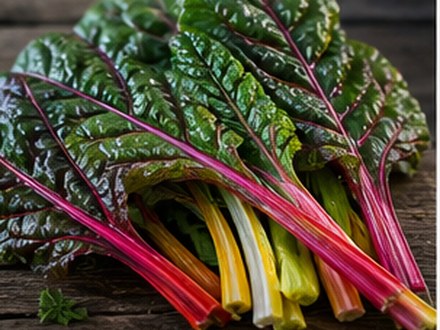
Use the vertical edge for one unusual tomato or cucumber. Fill the middle with a compact eggplant, pepper, or chard. Sow radishes or small roots in the open spaces early, then replace them with basil or another herb after harvest. This layers maturity and plant height instead of allowing one sprawling crop to consume the bed.
Set an experiment budget
Reserve roughly one quarter of the garden for uncertain varieties. The remaining space should produce ingredients you know you will use. A budget can be measured in square feet, containers, or seedling slots. This makes experimentation enjoyable because a failed curiosity does not erase the entire harvest.
Avoid collecting only by colour
Colour is useful when it changes presentation, antioxidant profile, ripeness cues, or kitchen contrast. It becomes repetitive when several varieties share the same habit and use. Mix flavour, texture, origin, storage quality, and maturity along with colour.
Review after harvest
Ask whether the variety was distinct, productive enough, pleasant to cook, and worth the required care. Keep only the strongest performers or those with a story and flavour you value. A collection improves through selection, not only expansion.