Aji Cachucha Pepper
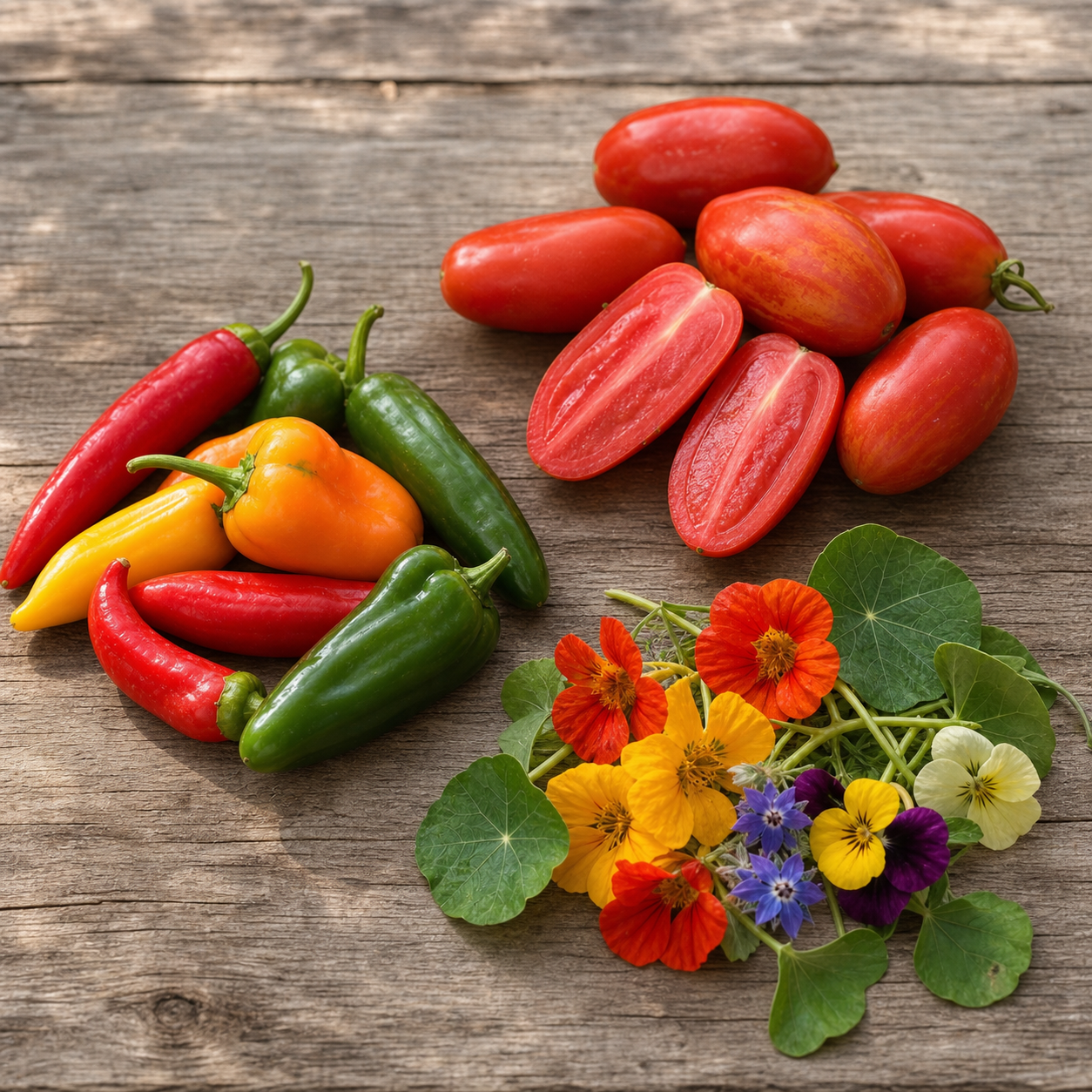
The Aji Cachucha, also known as Ají Dulce, is a sweet and flavorful Caribbean pepper that is a staple in Cuban and Puerto Rican cuisine. Despite being a relative of the fiery habanero, it has a very mild heat and a delicious fruity, smok...
- Origin
- Caribbean
The Aji Cachucha, also known as Ají Dulce, is a sweet and flavorful Caribbean pepper that is a staple in Cuban and Puerto Rican cuisine. Despite being a relative of the fiery habanero, it has a very mild heat and a delicious fruity, smoky flavor.
-
Sweet and fruity: The
Aji Cachuchais known for its distinctly sweet, fruity, and smoky flavor, which makes it ideal for building complex flavor profiles in dishes.
-
Very mild heat: On the Scoville scale, the
Aji Cachuchais typically between 0 and 1,000 SHU, though some varieties or individual peppers can reach up to 5,000 SHU. This is significantly milder than a standard jalapeño.
-
No strong floral taste: Unlike its habanero cousins, the
Aji Cachuchadoes not have the strong floral notes that can overpower a dish. Instead, it has a clean, bell pepper-like aroma
- Rice and beans: The peppers are frequently added to rice and bean dishes, providing a deep, aromatic flavor.
- Soups and stews: They are used to flavor soups, stews, and other cooked meats.
- Raw and fresh: The Aji Cachucha's sweetness and mildness mean it can also be chopped and added to fresh salsas or salads.
- Roasting and stuffing: For a richer flavor, the peppers can be roasted. They can also be stuffed with meats or cheeses for a mild, savory snack.
Want the curated set? This variety is also included in the No-Heat Pepper Pack.
Start indoors 8–10 weeks before last frost. Germinate at 26–30 °C on a heat mat; peppers stall below 22 °C. Pot up to 10–15 cm before hardening off outside after nights stay above 12 °C.
Feed balanced through bloom, then bump potassium for fruiting. Stake taller varieties. More detail in our full Canadian growing guide.
Match the pepper to the technique: thin-walled varieties blister fast in a hot pan; thick-walled ones roast or stuff beautifully; fruit-forward ones make balanced sauces and pickles. The variety's flavour profile is your shortcut — see Choosing the right pepper for a use-case guide.


