





Uchiki Red Kuri Squash
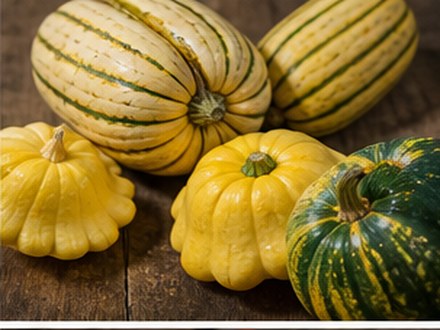
🍁🔥 Uchiki Red Kuri Squash Seeds Japanese heirloom. Chestnut-sweet. Silky, rich, and unbelievably versatile. · Meet Uchiki Red Kuri, the iconic Japanese kabocha-type squash with fiery orange skin and luxuriously smooth flesh.Thin-skinne...
- Season
- 2026
🍁🔥 Uchiki Red Kuri Squash Seeds
Japanese heirloom. Chestnut-sweet. Silky, rich, and unbelievably versatile.
Meet Uchiki Red Kuri, the iconic Japanese kabocha-type squash with fiery orange skin and luxuriously smooth flesh.
Thin-skinned, deeply sweet, and famously nutty — like chestnut and butternut had a gifted child who studied abroad and came back refined.
This is the squash chefs hoard.
This is the squash soups dream of becoming.
🌱 Why Grow Uchiki Red Kuri
| Feature | Why it matters |
|---|---|
| Heirloom Japanese variety | Culinary pedigree, superior flavour |
| Thin edible skin | No peeling needed — praise be 🙌 |
| Dense, velvety flesh | Gourmet texture for soups & roasts |
| High productivity | Expect multiple 3–5 lb fruits per plant |
| Cold-tolerant for a squash | Great for northern gardeners |
| Cures & stores beautifully | Improves in sweetness |
Type: Cucurbita maxima (kabocha group)
Days to maturity: ~90–100 days
Fruit: ~3–5 lbs each
🍽 Flavour & Cooking Notes
Flavor profile?
Roasted chestnut + sweet potato + hazelnut butter.
Texture?
Silky, creamy, custard-soft perfection.
Best uses:
-
Soup that makes restaurant soups embarrassed
-
Roasted wedges with miso + maple
-
Tempura (traditional + mind-altering)
-
Purées, gnocchi, and velvety mash
-
Dessert fillings (Japanese pumpkin cheesecake 🔥)
Skin is edible — it softens and melts into the dish.
Lazy cooks & Michelin chefs both love it.
👨🌾 Growing Notes
-
Start seeds indoors 3–4 weeks before last frost
-
Transplant after soil warms
-
Prefers rich, well-drained soil & consistent moisture
-
Give room — vines want to stretch
-
Cure after harvest for max sweetness
-
Stores 2–4 months easily
This squash rewards patience and compost… like a toddler, but delicious.
💡 Who Will Love It
-
Growers seeking top-tier flavour
-
Fans of Japanese cooking & kabocha squash
-
Small-space growers — high return per plant
-
Chefs, foodies, CSA farmers, backyard legends
🌟 Quick Highlights
-
Deeply sweet, chestnut-like flavour
-
Thin edible skin — minimal prep
-
Reliable, high-yielding heirloom
-
Perfect for soups, roasts, baking
Think of it as the Ferrari of fall squash — classy, powerful, and built for people who care about flavour.
Start indoors 8–10 weeks before last frost. Germinate at 26–30 °C on a heat mat; peppers stall below 22 °C. Pot up to 10–15 cm before hardening off outside after nights stay above 12 °C.
Feed balanced through bloom, then bump potassium for fruiting. Stake taller varieties. More detail in our full Canadian growing guide.
Match the pepper to the technique: thin-walled varieties blister fast in a hot pan; thick-walled ones roast or stuff beautifully; fruit-forward ones make balanced sauces and pickles. The variety's flavour profile is your shortcut — see Choosing the right pepper for a use-case guide.
MORE LIKE THIS


