




In the kitchen
- Seasoning: Chop with garlic, onion and fresh herbs.
- Salsa: Add finely diced yellow pods for colour and aroma.
- Drying: Dry fully ripe pods thoroughly, then grind for seasoning.
 Kitchen Pepper

Santa Lucia Yellow is a fragrant seasoning pepper for cooks who want fruity pepper flavour with gentle heat. Its yellow pods add aroma to chopped seasonings, fresh salsa and everyday rice or bean dishes. · 2027 KITCHEN GARDEN · MILD PEP...
Shop all pepper seeds in Canada
Santa Lucia Yellow is a fragrant seasoning pepper for cooks who want fruity pepper flavour with gentle heat. Its yellow pods add aroma to chopped seasonings, fresh salsa and everyday rice or bean dishes.
10+ Seeds per Packet
Capsicum chinense
Mild
Aromatic seasoning
Use it as part of the flavour base: mince a pod with garlic and herbs, then add it early in cooking. A small harvest can also be dried for a mellow, aromatic seasoning powder.
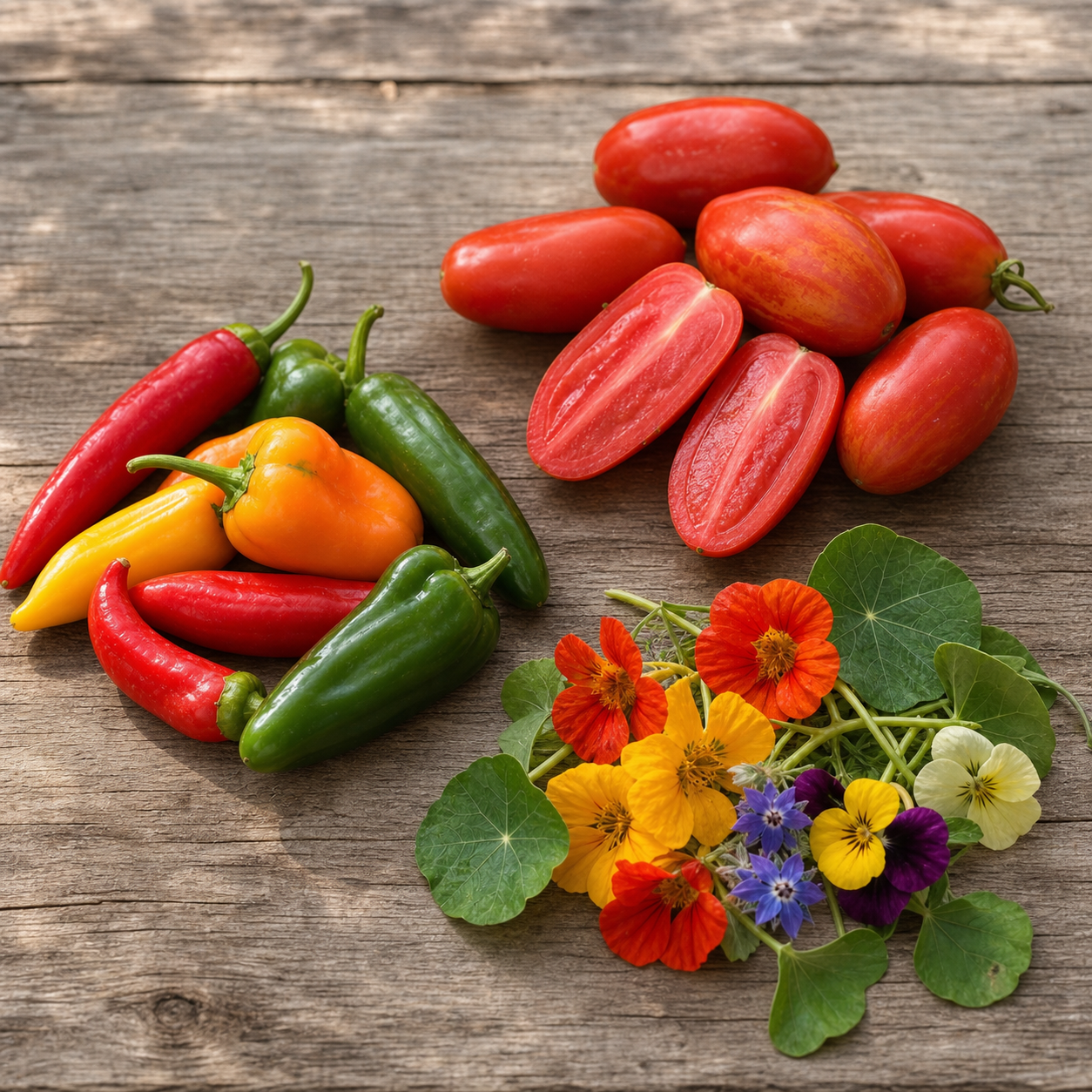
Fruit: Small to medium yellow pods with a habanero-type shape
Plant: Branching warm-season pepper plants; support branches as pods develop
Best uses: Seasoning, salsa and drying
Start indoors 8–10 weeks before the last frost, allowing extra time for slower Capsicum chinense seedlings. Keep the seed-starting mix warm and evenly moist. Harden off gradually and transplant after frost when nights are reliably warm. Choose full sun, fertile soil and a sheltered site. In shorter seasons, containers make it easier to move plants into protection during cool weather.
Not reliably. It is a low-heat seasoning pepper; individual pods may range from little detectable heat to a gentle warmth. Taste a small piece first.
It is also sold as Trinidad Pimento Yellow. Keep the supplier name with your seed records to track the exact line.
Yes. Use a generous container with drainage, regular feeding and steady watering. Place it in the warmest sunny spot available.
Heat varies between pods and growing conditions. The mild classification is a variety guide, not a guarantee of zero heat. This packet contains seeds, not fresh peppers or plants.
Start indoors 8–10 weeks before last frost. Germinate at 26–30 °C on a heat mat; peppers stall below 22 °C. Pot up to 10–15 cm before hardening off outside after nights stay above 12 °C.
Feed balanced through bloom, then bump potassium for fruiting. Stake taller varieties. More detail in our full Canadian growing guide.
Match the pepper to the technique: thin-walled varieties blister fast in a hot pan; thick-walled ones roast or stuff beautifully; fruit-forward ones make balanced sauces and pickles. The variety's flavour profile is your shortcut — see Choosing the right pepper for a use-case guide.


