





Baby Blue Hubbard
🍼✨ Baby Blue Hubbard Squash Seeds 5+ Seeds · Deeply sweet. Compact heirloom. Built for gourmet kitchens. · Meet the Baby Blue Hubbard Squash — the adorable heirloom cousin of the classic Hubbard, bred down in size but not in flavour o...
Shop all pepper seeds in Canada
- Season
- 2026
🍼✨ Baby Blue Hubbard Squash Seeds
5+ Seeds
Deeply sweet. Compact heirloom. Built for gourmet kitchens.
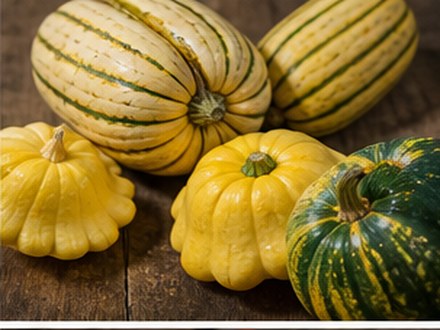
Meet the Baby Blue Hubbard Squash — the adorable heirloom cousin of the classic Hubbard, bred down in size but not in flavour or attitude.
Think:
-
That rich chestnut-meets-pumpkin sweetness
-
Buttery, dense flesh like winter sunshine
-
And a small format that fits modern gardens (and modern ovens)
This is the squash that whispers:
“You don't need a truck and a machete to cook me.”
🌱 Why You'll Love Growing It
| Feature | Why it matters |
|---|---|
| Compact vines | Perfect for small gardens & tight urban grow spaces |
| Prolific | Several personal-sized squash per plant |
| Superior flavour | Deep nutty sweetness, creamy texture |
| Cold-hardy heirloom | Strong genetics, excellent storage |
| Chef- favourite | Plates beautifully and holds texture in cooking |
Size: ~2–4 lbs per fruit
Days to maturity: ~90–100 days
Type: Cucurbita maxima heirloom
🍽 Flavor & Culinary Notes
Smooth, velvety flesh that roasts into caramel-sweet perfection.
Ideal for:
-
Roasting & purees
-
Ravioli fillings
-
Gnocchi
-
Squash soups with brown butter + sage
-
Sweet baking (squash pie > pumpkin pie, fight me)
Chefs love it because it holds flavour, takes caramelization beautifully, and doesn't turn stringy.
Pro tip from the farm:
Roast wedges skin-on with olive oil + rosemary, then spoon warm honey over it…
Try not to cry.
👨🌾 Growing Notes
-
Direct sow after frost or start indoors 4 weeks early
-
Loves rich soil & compost — this is a feeder
-
Space generously; give 4–6 feet or a trellis
-
Cure a week after harvest for peak sweetness
-
Stores 3–5 months easily
Pollinators absolutely lose their minds for squash blossoms, by the way.
Also, squash blossoms for lunch. Enough said.
💡 Who Is This For?
-
Gardeners who want big heirloom flavor in a smaller footprint
-
Chefs & home cooks who use every ingredient with intention
-
Seed collectors obsessed with rare treasures
-
People tired of squash that tastes like… sadness
🧺 Storage Power
This one keeps stupidly well. Cure it properly and enjoy rich squash into the winter.
Cellar vibes. Pioneer energy. Cardi B would approve.
If you grew Blue Hubbard before — think same iconic taste, just friendlier and prettier.
Start indoors 8–10 weeks before last frost. Germinate at 26–30 °C on a heat mat; peppers stall below 22 °C. Pot up to 10–15 cm before hardening off outside after nights stay above 12 °C.
Feed balanced through bloom, then bump potassium for fruiting. Stake taller varieties. More detail in our full Canadian growing guide.
Match the pepper to the technique: thin-walled varieties blister fast in a hot pan; thick-walled ones roast or stuff beautifully; fruit-forward ones make balanced sauces and pickles. The variety's flavour profile is your shortcut — see Choosing the right pepper for a use-case guide.


