


Avalanche Beets
25 Seeds+ · 🌱 Avalanche Beet SeedsBeta vulgaris · A gourmet white beet with a clean twist ❄️🌿, Avalanche stands out with its smooth ivory roots 🤍✨ and sweet, mild flavor that’s far less earthy than red beets. Winner of the AAS (All-Ame...
Shop all pepper seeds in Canada
- Season
- 2026
25 Seeds+
🌱 Avalanche Beet Seeds
Beta vulgaris
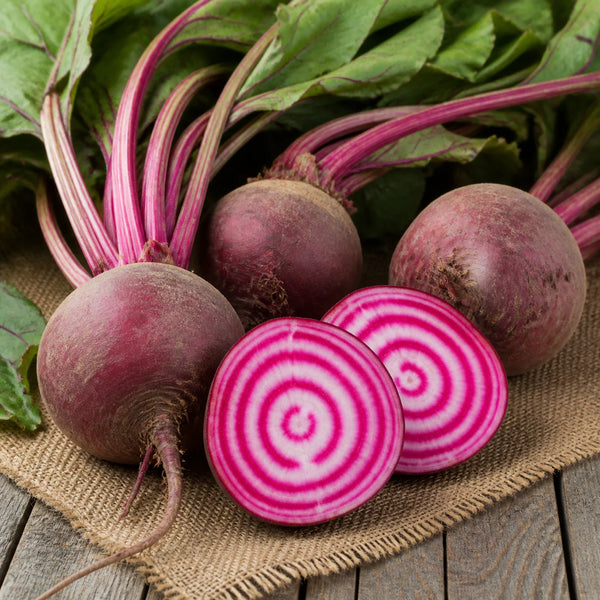
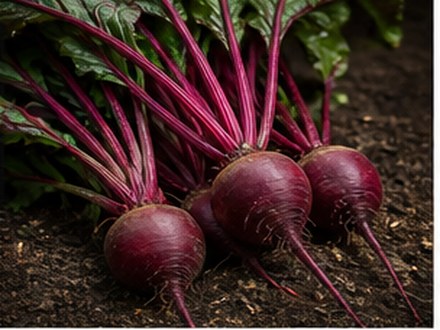
A gourmet white beet with a clean twist ❄️🌿, Avalanche stands out with its smooth ivory roots 🤍✨ and sweet, mild flavor that’s far less earthy than red beets. Winner of the AAS (All-America Selections) award 🏆, this variety produces uniform round roots that are tender, juicy, and perfect fresh or cooked. The snow-white flesh doesn’t bleed color, making it a chef’s dream for clean plating and mixed dishes.
👅 Flavor Profile:
Mildly sweet 🍯, crisp 🥗, with a gentle earthy nuttiness 🌰 — no overpowering “beetiness.”
🍴 Culinary Uses:
🥗 Slice raw into salads for crisp, snow-white crunch
🥘 Roast wedges for nutty sweetness without the mess
🥒 Pickle slices or matchsticks for a clean, tangy condiment
🍲 Add to soups or grain bowls for sweetness + texture
🍰 Use in baking (beet cakes, brownies) for natural moisture without color bleed
👨🍳 Chef’s Pitch:
Avalanche is the chef’s clean beet 🌱👨🍳❄️. Its snow-white flesh delivers mild sweetness and zero staining, making it perfect for mixed-color salads, refined roasts, and creative plating. A beet that’s as practical as it is delicious — versatile, uniform, and beautifully understated.
🌱 Growing Notes:
🪴 Annual root crop, 50–60 days to maturity
🤍 Uniform round white roots, 2–3” diameter
🌞 Thrives in full sun, well-drained fertile soil
🍃 Tender greens also edible, mild and nutritious
📦 Stores well after harvest
Start indoors 8–10 weeks before last frost. Germinate at 26–30 °C on a heat mat; peppers stall below 22 °C. Pot up to 10–15 cm before hardening off outside after nights stay above 12 °C.
Feed balanced through bloom, then bump potassium for fruiting. Stake taller varieties. More detail in our full Canadian growing guide.
Match the pepper to the technique: thin-walled varieties blister fast in a hot pan; thick-walled ones roast or stuff beautifully; fruit-forward ones make balanced sauces and pickles. The variety's flavour profile is your shortcut — see Choosing the right pepper for a use-case guide.
MORE LIKE THIS