


Bulls Blood Beet
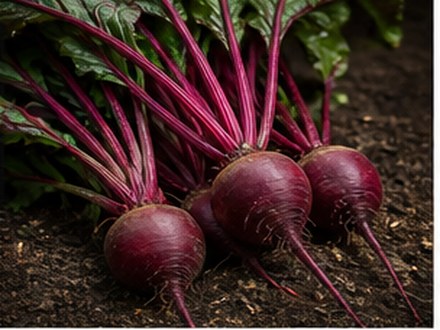
25 Seeds+ · 🌱 Bull’s Blood Beet SeedsBeta vulgaris · A dramatic and flavorful beet with deep burgundy roots ❤️🩸, Bull’s Blood is loved for its rich color and robust, sweet-earthy flavor. Both roots and tender leaves offer culinary vers...
Shop all pepper seeds in Canada
25 Seeds+
🌱 Bull’s Blood Beet Seeds
Beta vulgaris
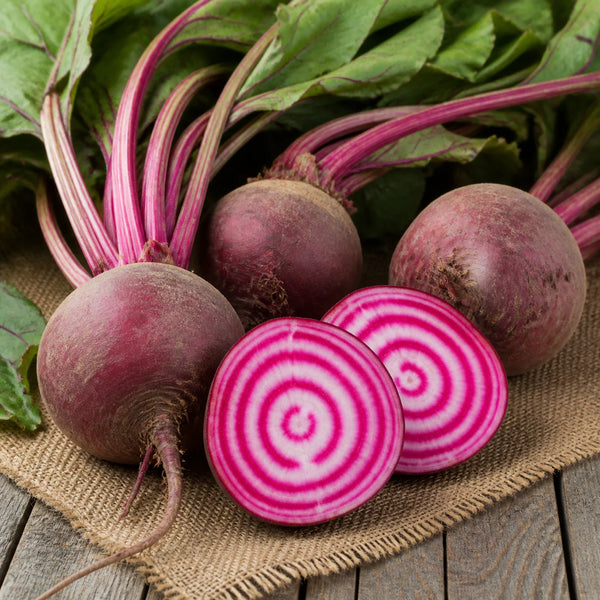
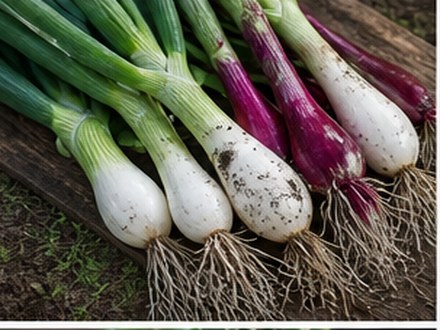
A dramatic and flavorful beet with deep burgundy roots ❤️🩸, Bull’s Blood is loved for its rich color and robust, sweet-earthy flavor. Both roots and tender leaves offer culinary versatility, making it a standout in salads, roasts, and garnishes. Its striking dark foliage also adds visual appeal to garden beds and gourmet plates alike.
👅 Flavor Profile:
Sweet-earthy 🍯🌰 with a bold, rich beet taste — deeper and more robust than traditional red beets. Tender greens are mildly flavored and perfect for salads or sautés.
🍴 Culinary Uses:
🥗 Slice raw roots or young leaves into salads for a pop of dark red color
🥘 Roast roots or wedges to enhance natural sweetness and earthy depth
🥒 Pickle roots for tangy, vibrant condiments
🍲 Add roots or leaves to soups, stews, or grain bowls for flavor and color
🍰 Incorporate into baked goods for deep color and natural sweetness
👨🍳 Chef’s Pitch:
Bull’s Blood Beet is the chef’s dramatic beet 🌱👨🍳🩸. Its bold burgundy roots and dark, tender greens bring both flavor and visual impact to dishes, while remaining versatile for roasting, pickling, or fresh salads. A reliable, colorful beet for creative plating and culinary experimentation.
🌱 Growing Notes:
🪴 Annual root crop, 50–60 days to maturity
🩸 Deep red roots, 2–3” diameter
🌞 Thrives in full sun, well-drained fertile soil
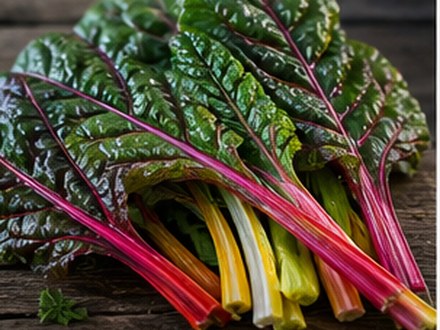
🍃 Edible tender greens with rich color and mild taste
📦 Stores well after harvest
Start indoors 8–10 weeks before last frost. Germinate at 26–30 °C on a heat mat; peppers stall below 22 °C. Pot up to 10–15 cm before hardening off outside after nights stay above 12 °C.
Feed balanced through bloom, then bump potassium for fruiting. Stake taller varieties. More detail in our full Canadian growing guide.
Match the pepper to the technique: thin-walled varieties blister fast in a hot pan; thick-walled ones roast or stuff beautifully; fruit-forward ones make balanced sauces and pickles. The variety's flavour profile is your shortcut — see Choosing the right pepper for a use-case guide.
MORE LIKE THIS