


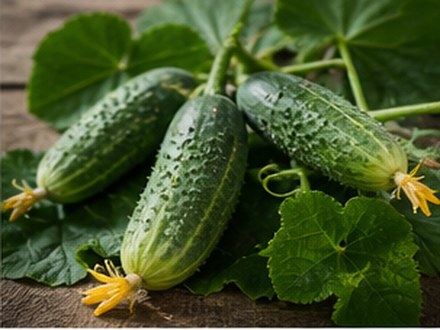



Cucumbers are one of the easiest crops to underestimate. Once you grow beyond standard green slicers, the category opens up: round, long, pale, striped, crisp, fragrant, and wildly useful.
Round and Pale Cucumbers
Lemon Cucumber and Richmond Apple Cucumber bring round shapes and mild crunch to salads, yogurt bowls, and quick pickles.
Long and Elegant Cucumbers
Suyo Long, Armenian Cucumber, and Striped Armenian Cucumber are the varieties to grow when you want dramatic harvests and thin slicing.
Pickle and Snack Cucumbers
Salt and Pepper Cucumber and Mojito Cucumber are crisp, pale, and perfect for summer plates.
Starting unusual cucumbers in Canada
Cucumbers grow quickly and dislike cold roots. Direct-sow after frost risk has passed and the soil has warmed, or start seedlings indoors only about three to four weeks before transplanting. An older, oversized transplant often stalls more than a small plant with an undisturbed root ball. Harden seedlings off gradually and protect them from cold wind during their first days outside.
In a short season, warming the bed with a cover before planting can help. Remove or vent protection once flowers open so pollinators can reach them. A second small sowing two to three weeks after the first can extend the harvest and provide insurance against cool weather or early pest damage.
Trellising, pollination and water
Most vining cucumbers benefit from a sturdy trellis. Vertical growth improves air movement, keeps fruit easier to find and makes oddly shaped or pale varieties less likely to hide until they become overripe. Tie only the main vine if needed; tendrils will do much of the work once they find the support.
- Water: maintain even soil moisture. Large swings between dry and saturated conditions can produce misshapen or bitter fruit.
- Mulch: apply it after the soil is warm to reduce evaporation and soil splash.
- Pollination: imperfect fruit may indicate poor pollination during cool or wet weather, not a seed problem.
- Harvest: check plants frequently; picking encourages continued flowering and fruit production.
Know the useful harvest stage
A rare cucumber is not necessarily meant to become enormous. Lemon cucumbers are generally best before the skin deepens to dark yellow and the seeds harden. Long Asian types stay crisp when harvested slender. Pickling types should be collected at the size suited to the jar and recipe. Taste the first fruit young, then compare a slightly more mature one before deciding on your preferred stage.
For the best texture, cool harvested cucumbers soon and avoid leaving them in direct sun. Browse our cucumber seeds for maturity, shape and use, then select a variety that offers a real culinary difference from standard grocery-store fruit.
Plan enough plants for the way you cook
One healthy vine can supply fresh tasting fruit, but preserving projects need several plants reaching production together. Grow more than one plant when you want jars of pickles or repeated family-size harvests. Keep variety labels visible because pale, round and ribbed cucumbers can have very different ideal sizes. A quick note about the first harvest helps you recognize the right stage for every later picking.
Casa Verde takeaways
- Pick cucumbers young for the best skin and seed texture.
- Grow more than one type for shape contrast.
- Browse cucumber seeds.
Continue this topic: Rare Vegetable Seeds in Canada: A Practical Collector Guide and How to Choose Rare Seeds Without Wasting Garden Space. Browse the rare seed collection.
