

 Collector Pepper
Rocoto Red Pepper
Thick-walled hot peppers for stuffing and fresh sauces. · Rocoto Red in the kitchen Rocoto Red is a Capsicum pubescens pepper with juicy flesh, substantial heat and distinctive dark seeds. The red ripe pods suit stuffed-pepper dishes, r...
Shop all pepper seeds in Canada
- Origin
- Peru
Thick-walled hot peppers for stuffing and fresh sauces.
Rocoto Red in the kitchen
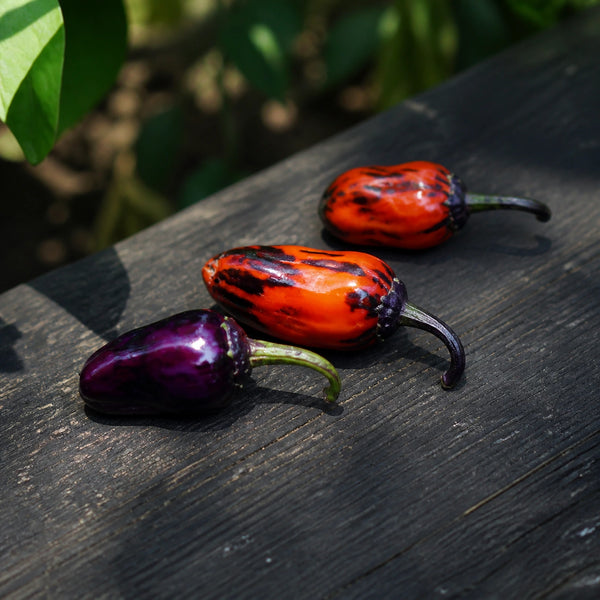
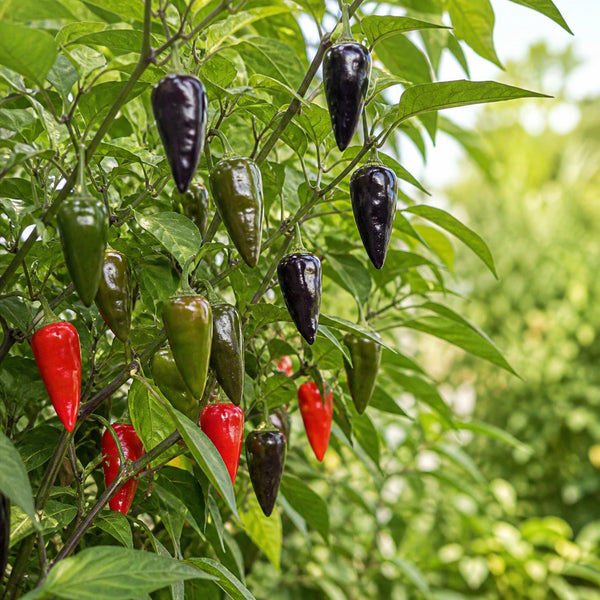
Rocoto Red is a Capsicum pubescens pepper with juicy flesh, substantial heat and distinctive dark seeds. The red ripe pods suit stuffed-pepper dishes, roasting and fresh sauces.
Why grow it?
Grow Rocoto for its fleshy texture as well as its heat. It gives a stuffed pepper or fresh sauce a different result from a thin-walled drying chili.
Kitchen notes
- Use the thick walls for a stuffed-pepper dish.
- Add carefully to a fresh salsa or pepper paste.
- Roast or bake when you want the flesh to retain moisture.
Planning your Canadian pepper garden
Start peppers indoors, harden off the plants gradually, and transplant after frost risk has passed and nights are reliably warm. Match your sowing plan to your local season and the variety, rather than a calendar date for all of Canada.
Explore the pepper collection
Questions about Rocoto Red
Are the dark seeds normal?
Yes. Dark seeds are a characteristic of Capsicum pubescens peppers.
Does “Red” describe the ripe colour?
Yes. The pods ripen red.
Is it a heatless stuffing pepper?
No. Rocoto combines thick walls with substantial heat. Taste carefully and keep that heat in mind when serving.
Growing conditions affect harvest timing, flavour and heat. Variety descriptions are guidance, not a guarantee for every plant.
Start indoors 8–10 weeks before last frost. Germinate at 26–30 °C on a heat mat; peppers stall below 22 °C. Pot up to 10–15 cm before hardening off outside after nights stay above 12 °C.
Feed balanced through bloom, then bump potassium for fruiting. Stake taller varieties. More detail in our full Canadian growing guide.
Match the pepper to the technique: thin-walled varieties blister fast in a hot pan; thick-walled ones roast or stuff beautifully; fruit-forward ones make balanced sauces and pickles. The variety's flavour profile is your shortcut — see Choosing the right pepper for a use-case guide.