


Orange Gem Marigold
20 Seeds+ · 🌼 Orange Gem Marigold Flower SeedsTagetes tenuifolia · A burst of citrus sunshine 🌞🍊, Orange Gem Marigold dazzles with small, golden-orange blossoms that are as flavorful as they are beautiful. Unlike common marigolds, this...
Shop all pepper seeds in Canada
20 Seeds+
🌼 Orange Gem Marigold Flower Seeds
Tagetes tenuifolia
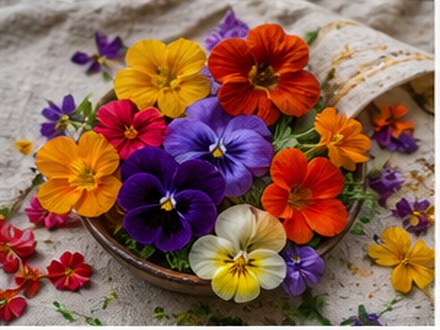
A burst of citrus sunshine 🌞🍊, Orange Gem Marigold dazzles with small, golden-orange blossoms that are as flavorful as they are beautiful. Unlike common marigolds, this variety offers edible petals with a surprising citrus-tangerine flavor 🍊🌿, making it a favorite for chefs and gardeners alike. Compact, floriferous, and pest-repelling 🌱🐜, it’s the perfect dual-purpose plant: ornamental, edible, and functional.
👅 Flavor Profile:
Citrusy 🍊, tangy 🌿, with subtle spice 🌶️ and floral notes 🌸.
🍴 Culinary Uses:
🥗 Sprinkle petals into salads for zesty bursts of color & citrus flavor
🍰 Decorate cakes, cookies & desserts with bright orange blooms
🍵 Steep into teas or herbal blends for a refreshing tang
🍸 Float petals in cocktails, syrups & shrubs for a citrusy twist
🥘 Add petals to rice dishes or sauces for golden color & subtle zing
👨🍳 Chef’s Pitch:
Orange Gem Marigold is the citrus-flavored flower chefs crave 🌼👨🍳🍊. Its bright orange petals are a natural garnish that delivers both beauty and taste, adding a tangerine-like pop to salads, cocktails, and desserts. Hardy, compact, and constantly blooming — this is the marigold that works overtime in the kitchen and garden.
🌱 Growing Notes:
🪴 Compact annual, 12–16” tall, bushy growth
🌼 Masses of small, golden-orange edible flowers
⏱ Long bloom season: summer through frost
🌞 Thrives in full sun, low-maintenance, drought-tolerant
🐝 Attracts pollinators while repelling pests like aphids & nematodes
✨ Quick Facts:
-
Latin Name: Tagetes tenuifolia (‘Orange Gem’)
-
Habit: Annual, compact 12–16” tall
-
Flavor: Citrusy, tangy, tangerine-like
-
Culinary Uses: Salads, teas, cocktails, desserts, rice dishes
-
Companion Planting: Pest repellent + pollinator attractor
Start indoors 8–10 weeks before last frost. Germinate at 26–30 °C on a heat mat; peppers stall below 22 °C. Pot up to 10–15 cm before hardening off outside after nights stay above 12 °C.
Feed balanced through bloom, then bump potassium for fruiting. Stake taller varieties. More detail in our full Canadian growing guide.
Match the pepper to the technique: thin-walled varieties blister fast in a hot pan; thick-walled ones roast or stuff beautifully; fruit-forward ones make balanced sauces and pickles. The variety's flavour profile is your shortcut — see Choosing the right pepper for a use-case guide.
MORE LIKE THIS