


Tiger Eye Red Viola
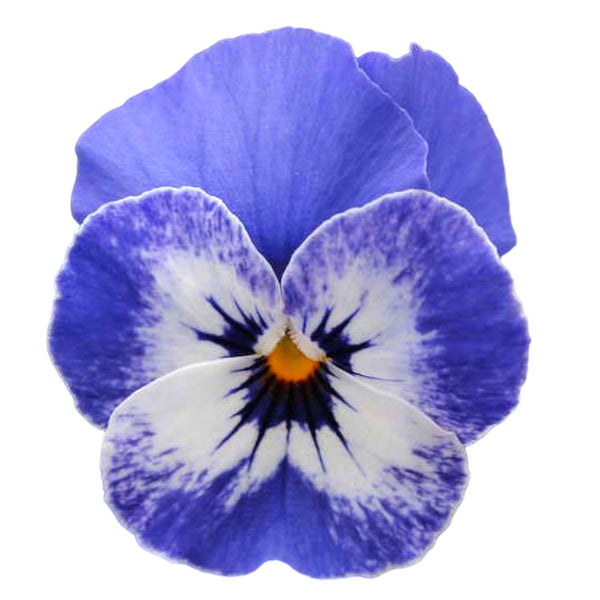
15 Seeds+ · 🌸 Viola ‘Tiger Eye Red’ Flower SeedsViola cornuta · A feast for the eyes 👀🔥, Viola ‘Tiger Eye Red’ dazzles with rich ruby-red petals streaked with bold black veining — like a living piece of art 🎨🌸. Compact and free-bloomin...
Shop all pepper seeds in Canada
15 Seeds+
🌸 Viola ‘Tiger Eye Red’ Flower Seeds
Viola cornuta
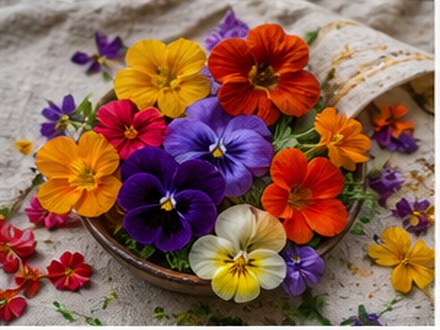
A feast for the eyes 👀🔥, Viola ‘Tiger Eye Red’ dazzles with rich ruby-red petals streaked with bold black veining — like a living piece of art 🎨🌸. Compact and free-blooming, these edible flowers add instant gourmet elegance to plates, pastries, and cocktails. Cool-season hardy ❄️🌿, violas thrive in beds, borders, and containers while blooming abundantly from spring through fall.
👅 Flavor Profile:
Mildly sweet 🍯, fresh & green 🌱, with subtle wintergreen notes ❄️.
🍴 Culinary Uses:
🥗 Scatter petals or whole blooms on salads for jewel-toned flair
🧁 Decorate cakes, cookies & pastries with dramatic floral art
🍸 Float blossoms in cocktails, champagne & ice cubes for elegance
🍫 Pair with chocolate desserts for a striking color contrast
🍵 Infuse into syrups, jellies, or teas for gentle floral sweetness
👨🍳 Chef’s Pitch:
Viola ‘Tiger Eye Red’ is the edible flower that doubles as garnish and masterpiece 🌸👨🍳✨. With its velvety red petals and dramatic tiger-striping, it instantly elevates cocktails, desserts, and plated dishes. Chefs prize it for visual drama + delicate flavor — a rare variety that truly turns food into art.
🌱 Growing Notes:
🪴 Compact plants, 6–8” tall, spreading habit
🌸 Abundant red blooms with black veining, continuous flowering
⏱ Prefers cool weather — blooms spring & fall, may pause in summer heat
🌞 Thrives in sun to part shade
🌿 Easy to grow in beds, borders, and containers
✨ Quick Facts:
-
Latin Name: Viola cornuta (‘Tiger Eye Red’)
-
Habit: Annual/biennial, compact 6–8” tall
-
Flavor: Mild, sweet, green, wintergreen-like
-
Culinary Uses: Garnishes, desserts, cocktails, teas, syrups
-
Companion Planting: Pollinator-friendly, cool-season bedding flower
Start indoors 8–10 weeks before last frost. Germinate at 26–30 °C on a heat mat; peppers stall below 22 °C. Pot up to 10–15 cm before hardening off outside after nights stay above 12 °C.
Feed balanced through bloom, then bump potassium for fruiting. Stake taller varieties. More detail in our full Canadian growing guide.
Match the pepper to the technique: thin-walled varieties blister fast in a hot pan; thick-walled ones roast or stuff beautifully; fruit-forward ones make balanced sauces and pickles. The variety's flavour profile is your shortcut — see Choosing the right pepper for a use-case guide.
MORE LIKE THIS