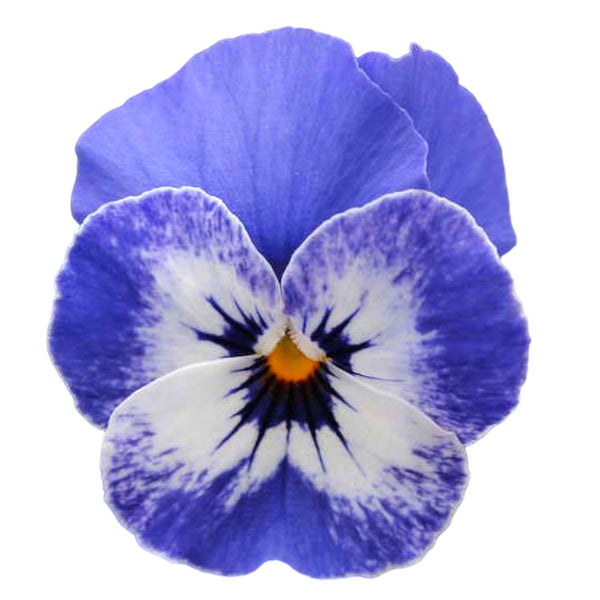



Mixed-Color Bachelor Button Flower
25 Seeds+ · 🌸 Mixed-Color Bachelor Button Flower SeedsCentaurea cyanus · A cottage garden classic with a rainbow twist 🌿🌈, Mixed-Color Bachelor Buttons bloom in a cheerful palette of blue 💙, pink 💗, white 🤍, lavender 💜, and deep burgun...
Shop all pepper seeds in Canada
- Season
- 2026
25 Seeds+
🌸 Mixed-Color Bachelor Button Flower Seeds
Centaurea cyanus
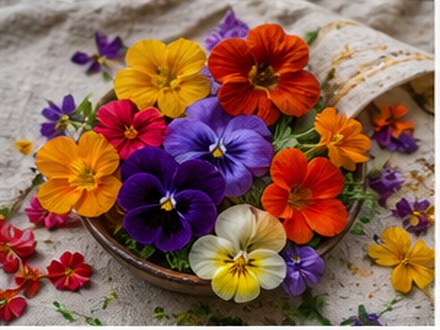
A cottage garden classic with a rainbow twist 🌿🌈, Mixed-Color Bachelor Buttons bloom in a cheerful palette of blue 💙, pink 💗, white 🤍, lavender 💜, and deep burgundy ❤️. Hardy, drought-tolerant, and endlessly floriferous, these heirloom beauties bring old-world charm to gardens and gourmet plating alike. Their mild clove-like flavor makes them a chef’s favorite edible garnish for baked goods, cocktails, and salads.
👅 Flavor Profile:
Mildly sweet 🍯, clove-spiced 🌿, with earthy undertones 🌱.
🍴 Culinary Uses:
🥗 Sprinkle petals over salads for bursts of color
🧁 Decorate cakes, cookies & pastries with jewel-like blooms
🍸 Float blossoms in cocktails or freeze into ice cubes for rainbow flair
🍵 Brew into teas or syrups for a gentle floral infusion
🍫 Pair with chocolates & custards for a vibrant contrast
👨🍳 Chef’s Pitch:
Mixed-Color Bachelor Buttons are the chef’s rainbow garnish 🌸👨🍳🌈. With jewel-toned petals and subtle floral flavor, they turn simple desserts, cocktails, and salads into edible art. Hardy, prolific, and endlessly charming, they’re the perfect crossover of heritage flower + gourmet ingredient.
🌱 Growing Notes:
🪴 Annual, 24–36” tall, upright and branching
🌸 Blooms in blue, pink, white, lavender & burgundy
🌞 Thrives in full sun, drought-tolerant & easy to grow
🐝 Pollinator-friendly, attracts bees & butterflies
🌿 Excellent cut flower with long vase life
✨ Quick Facts:
-
Latin Name: Centaurea cyanus (‘Mixed Colors’)
-
Habit: Annual, 24–36” tall
-
Flavor: Mildly sweet, clove-like, earthy
-
Culinary Uses: Garnishes, cakes, cocktails, teas
-
Special Use: Multicolored edible blooms + cut flowers
Start indoors 8–10 weeks before last frost. Germinate at 26–30 °C on a heat mat; peppers stall below 22 °C. Pot up to 10–15 cm before hardening off outside after nights stay above 12 °C.
Feed balanced through bloom, then bump potassium for fruiting. Stake taller varieties. More detail in our full Canadian growing guide.
Match the pepper to the technique: thin-walled varieties blister fast in a hot pan; thick-walled ones roast or stuff beautifully; fruit-forward ones make balanced sauces and pickles. The variety's flavour profile is your shortcut — see Choosing the right pepper for a use-case guide.
MORE LIKE THIS