


Glass Gem Corn Seeds
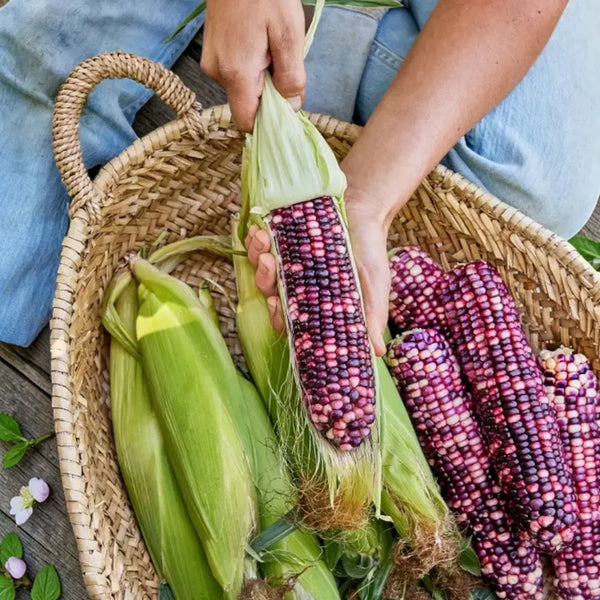
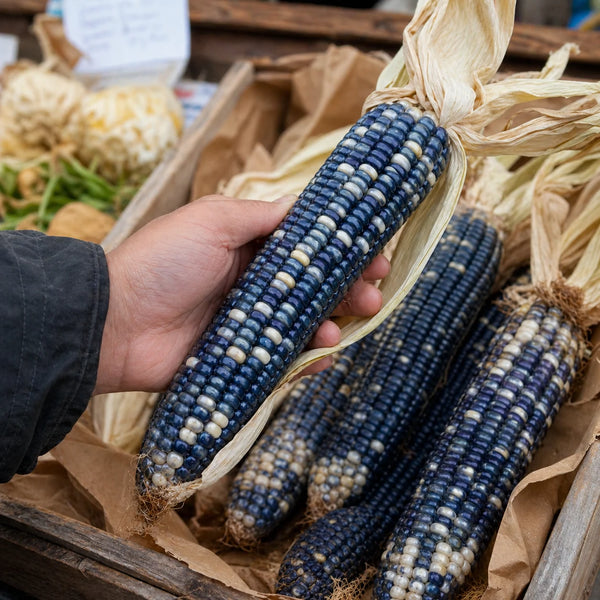
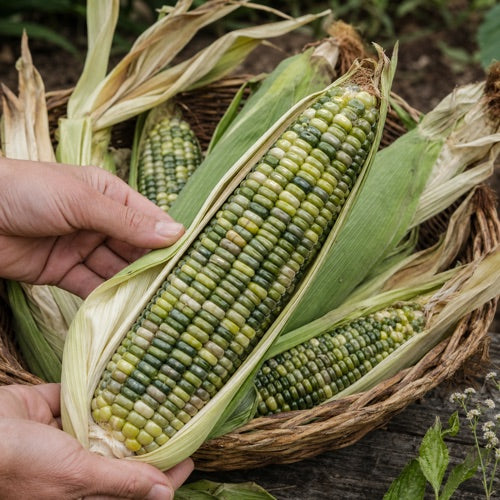
Corn: Glass Gem · Non-GMO | Open-Pollinated | Translucent Rainbow Kernels · The Culinary Edge 🌽✨ A genuine showpiece variety bred by Cherokee farmer Carl Barnes — kernels glow like stained glass in shades of jade, ruby, sapphire, and ...
Shop all pepper seeds in Canada
Corn: Glass Gem
Non-GMO | Open-Pollinated | Translucent Rainbow Kernels
The Culinary Edge 🌽✨
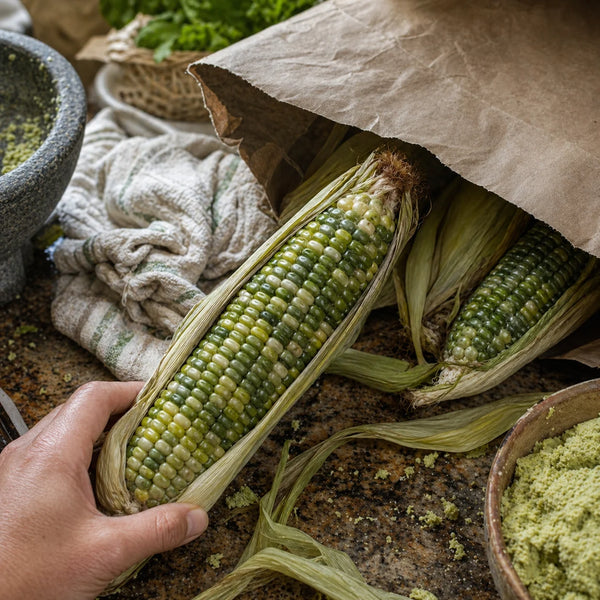
A genuine showpiece variety bred by Cherokee farmer Carl Barnes — kernels glow like stained glass in shades of jade, ruby, sapphire, and amber. Beyond the visual drama, mature kernels can be popped or stone-ground into stunning multi-hued cornmeal that brings unexpected colour to artisan polenta, breads, and tortillas.
15 Seeds per Packet
At A Glance
| Feature | Specification |
|---|---|
| 👅 Flavor Profile | Earthy, lightly sweet — classic field corn with nutty popcorn finish |
| 🎨 Visual Contrast | Translucent rainbow kernels: ruby, jade, sapphire, amber, pearl |
| ⏱️ Maturity | 105–120 days |
| 🔢 Quantity | 15+ Premium Seeds per Packet |
✨ Flavor Profile
- Earthy & Nutty: When popped, kernels deliver a robust, slightly nutty flavour reminiscent of heritage popcorn — denser and more characterful than commodity varieties.
- Sweet-Field Backbone: Stone-ground into meal, the flavour shifts to a clean, lightly sweet corn note ideal for slow-cooked polenta or rustic cornbread.
🍴 Culinary Versatility
- The Showpiece Popcorn: Air-pop mature kernels for a snack with character — popping rates vary by ear, but the resulting flakes carry hints of the kernel colour into the popped form.
- Heritage Cornmeal: Stone-grind dried kernels into a rainbow-flecked meal that produces stunning polenta, arepas, and rustic breads — a true conversation piece on the plate.
- Plating & Presentation: Whole dried ears anchor autumn tablescapes, restaurant entryways, and culinary photography — few varieties are as instantly recognisable.
🌱 Growing Notes
- Genetic stability: True open-pollinated heirloom — save seed from your best ears and the rainbow holds across generations, provided you isolate from other corn varieties by distance or timing.
- Quebec/Montreal climate: Needs a long, warm season (105–120 days). Direct-seed after last frost into well-warmed soil; in shorter Montreal seasons, start indoors in biodegradable pots and transplant carefully to avoid root disturbance.
- Pollinator/ecology: Wind-pollinated — plant in blocks of at least 4×4 (not single rows) for proper kernel set. Provides pollen for native bees and shelter for beneficial insects.
Start indoors 8–10 weeks before last frost. Germinate at 26–30 °C on a heat mat; peppers stall below 22 °C. Pot up to 10–15 cm before hardening off outside after nights stay above 12 °C.
Feed balanced through bloom, then bump potassium for fruiting. Stake taller varieties. More detail in our full Canadian growing guide.
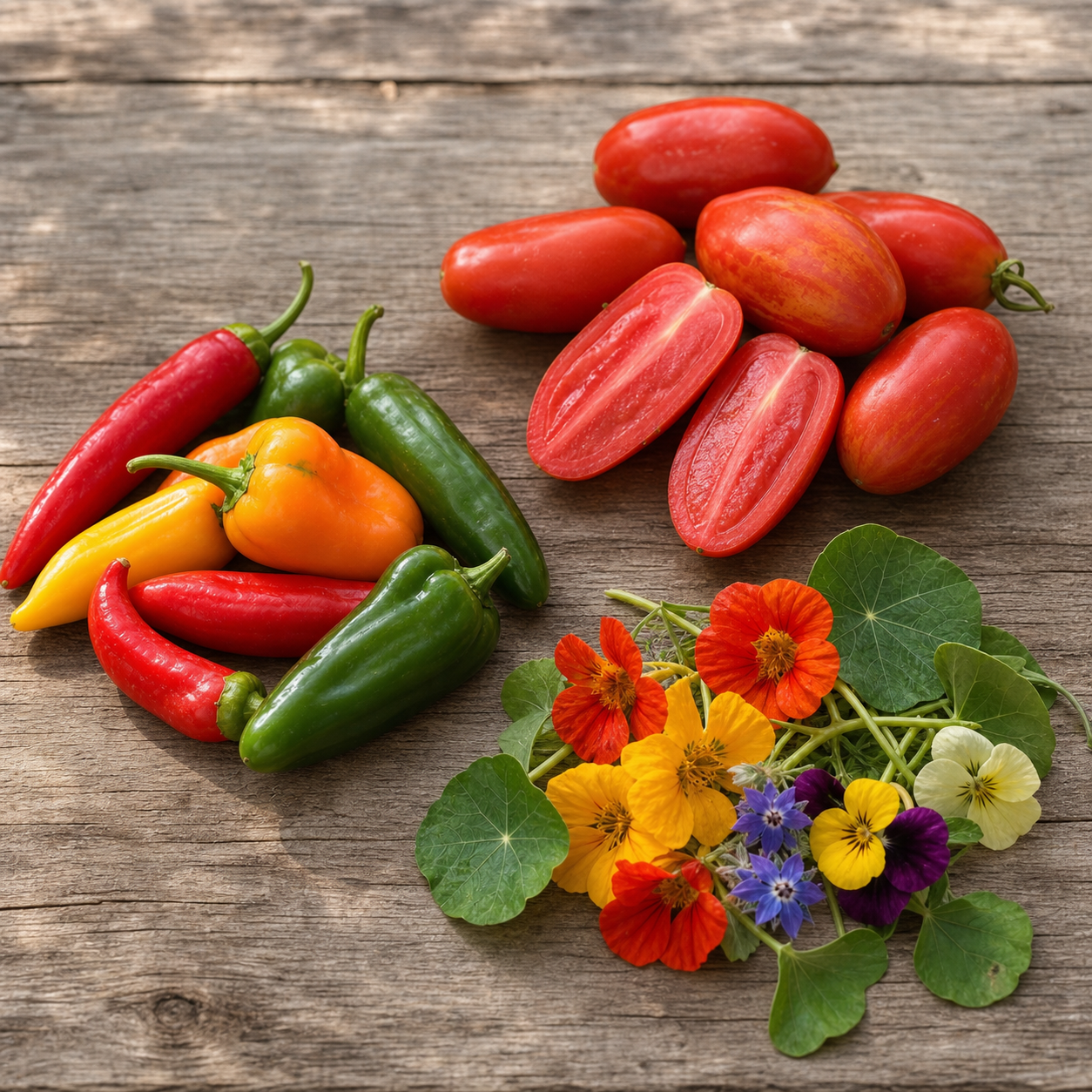
Match the pepper to the technique: thin-walled varieties blister fast in a hot pan; thick-walled ones roast or stuff beautifully; fruit-forward ones make balanced sauces and pickles. The variety's flavour profile is your shortcut — see Choosing the right pepper for a use-case guide.
MORE LIKE THIS