





Build it
Start with your frost date and the crops you actually plan to grow.
Canadian planting planner
Build a personalized Canadian planting schedule from your last spring frost date. Free for Casa Verde email subscribers or available as CA$19 standalone access.
Your season at a glance
Your crop-by-crop actions will appear here, ordered by the dates that matter.
Your personalized schedule
Recommended · easy to remove
Your reminders stay together in their own subscribed calendar. If you do not like it, remove the entire calendar with one unsubscribe action.
Apple: Open the calendar list, choose Casa Verde Seed Calendar, then Unsubscribe.
Google: Open Calendar settings, choose Casa Verde Seed Calendar, then Unsubscribe.
Outlook: Open the calendar menu beside Casa Verde Seed Calendar, then Remove.
The downloaded file is a fallback. Importing it into your main calendar may require deleting events individually; subscribing above keeps removal simple.
Make it part of the ritual
Start with your frost date and the crops you actually plan to grow.
Add one separate Casa Verde calendar to Apple Calendar, Google Calendar, or Outlook.
Each event gives you the next useful action, from sowing to transplanting.
Free subscriber benefit
Join the Casa Verde email list for practical Canadian growing reminders, rare variety releases, and restock news. Your personalized calendar unlocks immediately.
A useful starting point
Cold-tolerant crops can often be sown before the final spring frost, while peppers, tomatoes, beans, cucumbers, squash, and tender flowers need warmth. That is why this calendar begins with your local date rather than pretending every Canadian garden starts at the same time.
Canadian seed-starting guide
Canada does not have one planting date. A gardener near Vancouver, Montreal, Toronto, Calgary, Halifax, or Winnipeg can face a very different spring. This seed-starting calendar uses the last frost date you provide, then calculates useful crop-specific actions around it.
The result is a practical starting plan for indoor sowing, direct sowing, hardening off, transplanting, and succession planting. Local weather, soil temperature, and an unusual cold spell still take priority.
Use a trusted local gardening or weather source and select the expected final spring frost for your area.
Choose from 30 seed categories instead of filling your calendar with reminders for plants you are not growing.
Delay tender transplants when nights remain cold, even if the calculated calendar date has arrived.
The subscribed version appears as a separate Casa Verde calendar, making the complete schedule easy to remove later.
What the planner covers
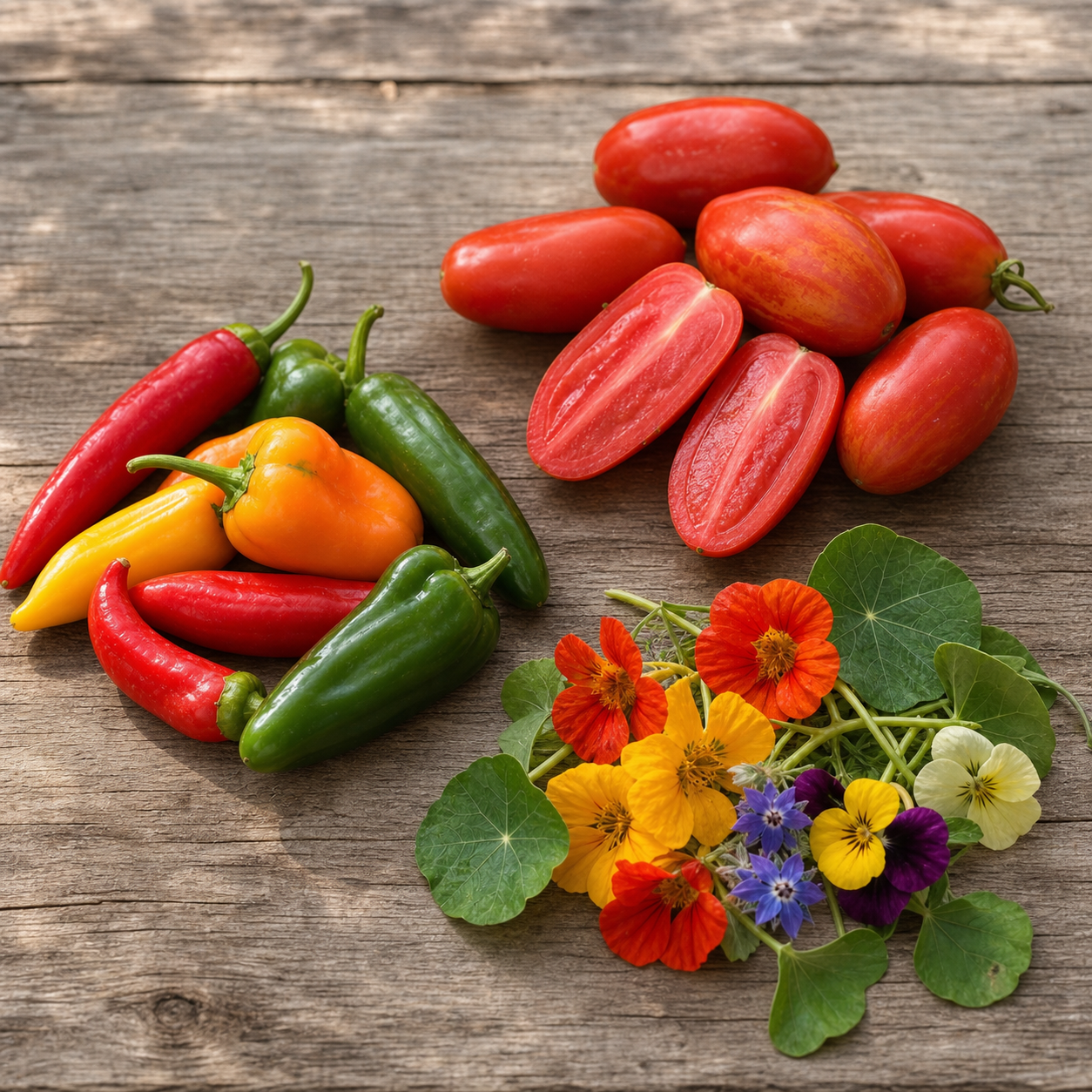
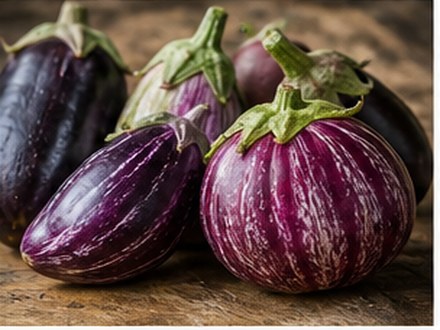
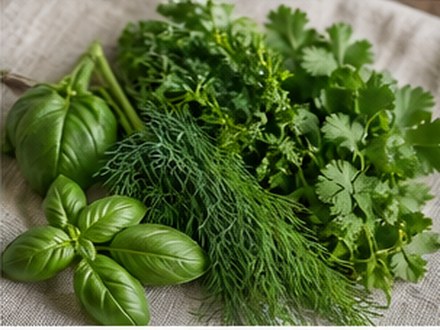
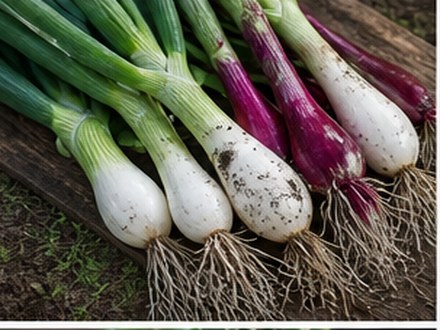
Peppers, tomatoes, eggplants, onions, and some herbs usually benefit from an indoor start well before warm planting weather.
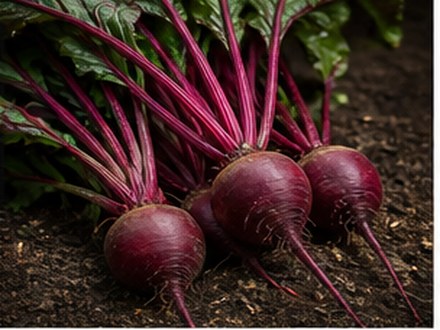
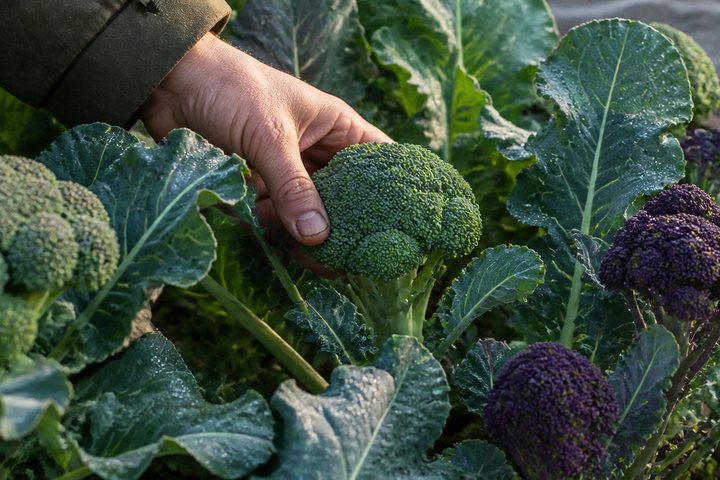
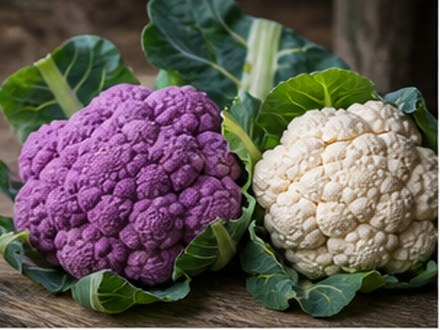
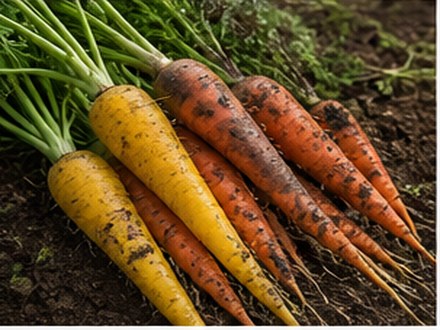
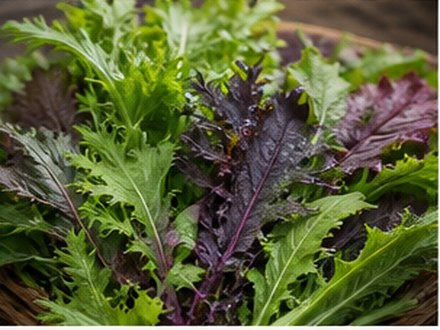
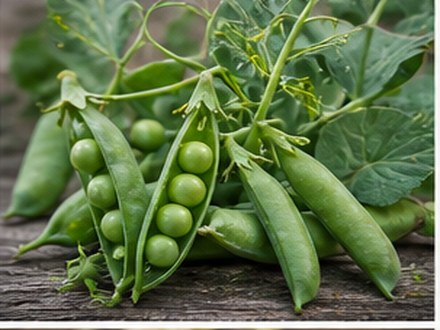
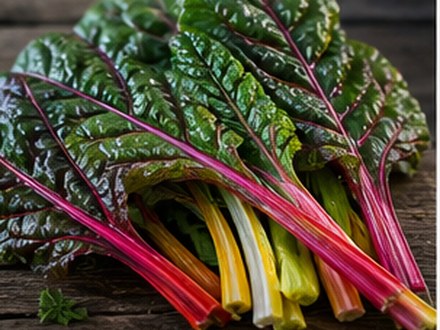
Peas, radishes, carrots, leafy greens, broccoli, cauliflower, beets, and related crops can often begin before tender vegetables.
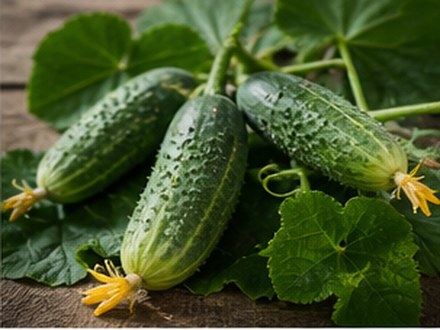
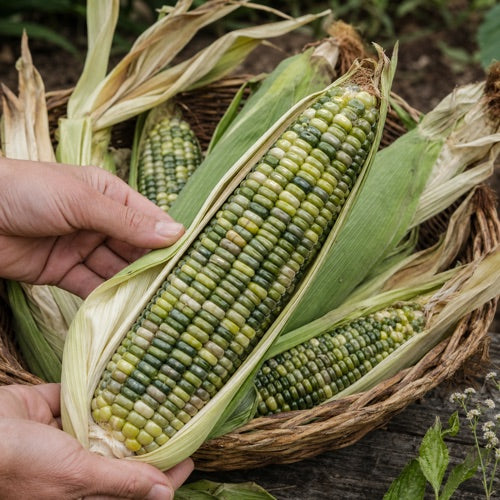
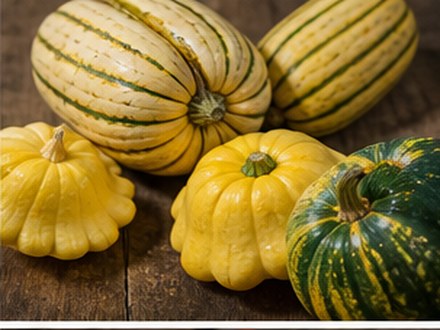
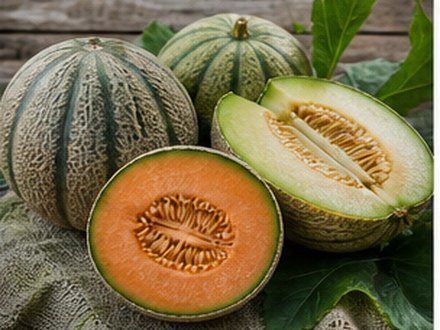
Corn, cucumbers, squash, pumpkins, and melons need warmer soil and settled nights before outdoor planting.
Selected vegetables include follow-up sowing reminders so one early planting does not have to carry the entire harvest.
Questions gardeners ask
Yes for Casa Verde email subscribers. Gardeners who prefer not to join the email list can purchase standalone access for CA$19.
Use a recent local gardening or weather source for your municipality or nearest reporting station. Frost dates are estimates, so keep watching the forecast.
It can be used throughout Canada because you supply the local frost date. Very short seasons, coastal climates, protected gardens, and northern locations may still require additional local adjustments.
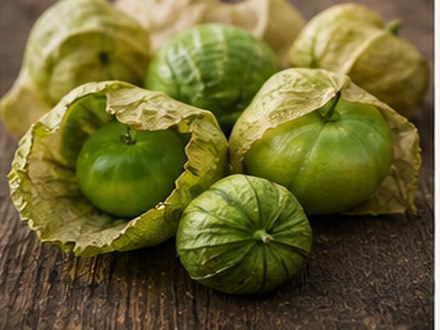
The planner covers 30 Casa Verde seed categories, including peppers, tomatoes, eggplants, tomatillos, brassicas, roots, leafy greens, peas, corn, cucumbers, melons, pumpkins, squash, herbs, and edible flowers.
Yes. Subscribe as a separate Casa Verde Seed Calendar, then remove or unsubscribe from that calendar in Apple Calendar, Google Calendar, or Outlook.
No. It is a planning tool based on the frost date you enter. Actual soil temperature, overnight lows, wind, rain, and crop condition should guide the final decision.