


Blue Zebra Tomato
Blue Zebra Tomato Seeds (Artisan Heirloom) The Stunning Intersection of Antioxidants and Flavor · Quick Facts: · Type: Indeterminate (Climbing) · · Fruit Size: 2–3 oz (Large Saladette/Cocktail) · · Maturity: 75–80 Days · · ...
Shop all pepper seeds in Canada
- Season
- 2026
Blue Zebra Tomato Seeds (Artisan Heirloom)
The Stunning Intersection of Antioxidants and Flavor
Quick Facts:
-
Type: Indeterminate (Climbing)
-
Fruit Size: 2–3 oz (Large Saladette/Cocktail)
-
Maturity: 75–80 Days
-
Quantity: 15+ Seeds/Packet
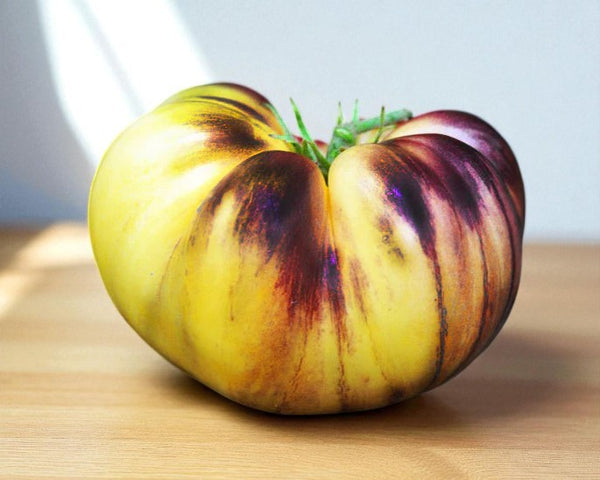
A Masterpiece of Garden Artistry 🌌🍅 The Blue Zebra Tomato is a visual triumph. Developed through traditional breeding to maximize healthy anthocyanins (the same antioxidants found in blueberries), these tomatoes feature deep indigo-purple shoulders that bleed into vibrant lime-green and yellow stripes. Every fruit is a unique work of art, changing colors as it hangs on the vine. Unlike many "blue" varieties that lack flavor, the Blue Zebra carries a sophisticated, complex profile that matches its beauty.
👨🍳 Chef’s Pitch:
"The Blue Zebra is a star on the cutting board. When sliced, the contrast between the dark purple skin and the emerald-green interior is absolutely striking. It has a bold, 'old-school' tomato tang—sharp, bright, and slightly acidic. It’s the perfect tomato to use when you want the ingredient to be the conversation piece of the dish, especially in a simple Caprese or a colorful garden tart."
👅 Flavor Profile:
-
Tangy & Zesty: A bright, refreshing acidity with a classic tomato "bite."
-
Texture: Firm and juicy, holding its shape perfectly when sliced.
🍴 Culinary Versatility:
-
Platter Hero: Slice into rounds to showcase the green-to-purple transition.
-
Gourmet Salsas: Adds a unique "electric" green color to fresh salsas.
-
Roasting: Holds its flavor well when roasted whole with garlic and thyme.
-
Salads: Pairs beautifully with salty cheeses like Feta or Halloumi.
🌱 Growing Notes:
-
Sun-Kissed Color: The deep "blue" color develops where the sun hits the skin. For the darkest purple, ensure the fruit isn't heavily shaded by leaves.
-
Indeterminate: This plant will grow tall and produce all season; it requires a sturdy stake or cage.
-
Disease Resistance: Known for being a vigorous grower with good foliage health.
🇨🇦 Short Season Pro-Tip (Montreal/Zone 5-6):
"As a mid-season variety (75–80 days), start these indoors 6–8 weeks before the last frost. In our humid Quebec summers, ensure you prune the 'suckers' to allow for good airflow—this prevents late-season blight and ensures those beautiful indigo shoulders get plenty of sunlight to darken up!"
Start indoors 8–10 weeks before last frost. Germinate at 26–30 °C on a heat mat; peppers stall below 22 °C. Pot up to 10–15 cm before hardening off outside after nights stay above 12 °C.
Feed balanced through bloom, then bump potassium for fruiting. Stake taller varieties. More detail in our full Canadian growing guide.
Match the pepper to the technique: thin-walled varieties blister fast in a hot pan; thick-walled ones roast or stuff beautifully; fruit-forward ones make balanced sauces and pickles. The variety's flavour profile is your shortcut — see Choosing the right pepper for a use-case guide.
MORE LIKE THIS