



In the kitchen
- Salsa: Dice ripe fruit with onion, coriander and a little chilli.
- Roasting: Grill or roast until tender, then blend into a sauce.
- Fresh tasting: Peel and rinse fully ripe fruit before slicing.


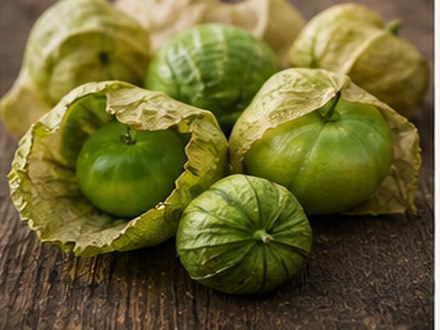
Queen of Malinalco brings a sweeter, fruitier direction to tomatillo salsa. Peel back the papery husks to find elongated yellow fruit with a sweet-tart flavour that works beautifully grilled, chopped or blended. · 2027 KITCHEN GARDENFru...
Voir toutes les semences de piments et de poivrons
Queen of Malinalco brings a sweeter, fruitier direction to tomatillo salsa. Peel back the papery husks to find elongated yellow fruit with a sweet-tart flavour that works beautifully grilled, chopped or blended.
10 Seeds per Packet
Physalis ixocarpa
Yellow fruit
Grow two or more plants
Grow it for a golden salsa with a softer, fruitier character. Try a small batch alongside your usual green tomatillos and adjust the lime, salt and chilli to suit the harvest.
Fruit: Elongated, tapered yellow fruit inside papery husks
Plant: Vigorous, branching plants; allow room or support them for easier picking
Best uses: Fruity salsa and roasting
Start indoors 6–8 weeks before the last frost. Harden off and transplant after frost when nights are warm. Give plants full sun and well-drained soil. Grow at least two tomatillo plants for pollination and fruit set. Allow space for branching growth; a cage can keep fruit easier to reach. Harvest as fruit turns yellow and fills or splits the husk.
Yes. Grow at least two tomatillo plants flowering together for reliable pollination and fruit set.
No. It is a tomatillo, with fruit enclosed in a papery husk. Remove the husk and rinse the fruit before preparing it.
Look for yellow fruit filling or splitting its husk and releasing easily from the plant. Timing varies with weather and growing conditions.
Also known as Chupon de Malinalco. Queen of Malinalco is the established variety spelling. This packet contains seeds, not fresh fruit or plants.
Start indoors 8–10 weeks before last frost. Germinate at 26–30 °C on a heat mat; peppers stall below 22 °C. Pot up to 10–15 cm before hardening off outside after nights stay above 12 °C.
Feed balanced through bloom, then bump potassium for fruiting. Stake taller varieties. More detail in our full Canadian growing guide.
Match the pepper to the technique: thin-walled varieties blister fast in a hot pan; thick-walled ones roast or stuff beautifully; fruit-forward ones make balanced sauces and pickles. The variety's flavour profile is your shortcut — see Choosing the right pepper for a use-case guide.


