





Thai Round Eggplant
10 Seeds+ · 🍆 Thai Round Eggplant SeedsSolanum melongena · A Southeast Asian staple 🇹🇭🌿, Thai Round Eggplant produces small, golf-ball-sized fruits in shades of green 💚, white 🤍, and purple 💜 (often striped). Firm, crunchy, and slightl...
Shop all pepper seeds in Canada
- Season
- 2026
10 Seeds+
🍆 Thai Round Eggplant Seeds
Solanum melongena
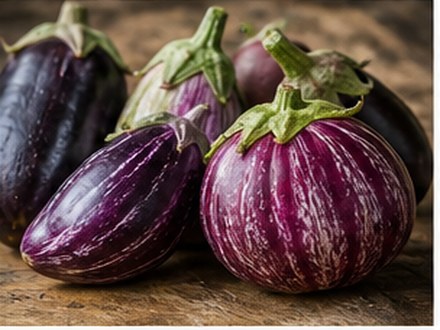
A Southeast Asian staple 🇹🇭🌿, Thai Round Eggplant produces small, golf-ball-sized fruits in shades of green 💚, white 🤍, and purple 💜 (often striped). Firm, crunchy, and slightly bitter, these fruits are essential in Thai, Cambodian, and Lao cuisines — especially in curries, stir-fries, and dipping platters. Compact and highly productive, this eggplant thrives in hot weather and delivers continuous harvests of these authentic, bite-sized delicacies.
👅 Flavor Profile:
Crunchy 🥗, mildly bitter 🌿, with a fresh, slightly nutty edge 🌰.
🍴 Culinary Uses:
🍛 Star ingredient in Thai green & red curries
🥗 Slice raw for dipping with chili pastes & sauces
🥘 Add to stir-fries for texture & flavor
🥒 Pickle whole or sliced for tangy condiments
🍴 Use as garnish or side in authentic Southeast Asian plates
👨🍳 Chef’s Pitch:
Thai Round Eggplant is the chef’s passport to Southeast Asia 🍆👨🍳🌏. Its crisp bite and bold flavor define Thai curries, while its unique look adds authenticity and color to global cuisine. A must-have for chefs crafting authentic Thai, Lao, or Cambodian dishes.
🌱 Growing Notes:
🪴 Compact annual, 18–24” tall, bushy habit
🍆 Small round fruits, ~2” diameter, green, white, or purple
🌞 Loves full sun and warm climates
⏱ Matures in 65–80 days, heavy producer
🌿 Harvest young for best texture & flavor
✨ Quick Facts:
-
Latin Name: Solanum melongena (‘Thai Round’)
-
Habit: Annual, compact 18–24” tall
-
Fruit Size: 1.5–2” round, green/white/purple
-
Flavor: Crunchy, mildly bitter, nutty
-
Culinary Uses: Curries, stir-fries, dipping platters, pickles
-
Special Use: Essential in authentic Thai & Southeast Asian cuisine
Start indoors 8–10 weeks before last frost. Germinate at 26–30 °C on a heat mat; peppers stall below 22 °C. Pot up to 10–15 cm before hardening off outside after nights stay above 12 °C.
Feed balanced through bloom, then bump potassium for fruiting. Stake taller varieties. More detail in our full Canadian growing guide.
Match the pepper to the technique: thin-walled varieties blister fast in a hot pan; thick-walled ones roast or stuff beautifully; fruit-forward ones make balanced sauces and pickles. The variety's flavour profile is your shortcut — see Choosing the right pepper for a use-case guide.
MORE LIKE THIS


