


Stainless Steel Mesh Grow Mats | Reusable for Microgreens & Baby Greens
FREE SHIPPING OVER $199 in Canada Reusable stainless steel grow mats—a clean, sustainable alternative to soil and disposable pads. · Upgrade your microgreen game. These stainless steel mesh mats are a sustainable, long-lasting alternati...
Shop all pepper seeds in Canada
FREE SHIPPING OVER $199 in Canada
Reusable stainless steel grow mats—a clean, sustainable alternative to soil and disposable pads.
Upgrade your microgreen game. These stainless steel mesh mats are a sustainable, long-lasting alternative to soil and disposable grow pads. Pre-cut to fit most 10×20 trays (including Bootstrap trays), they’re built for serious growers who want clean harvests, efficient watering, and thousands of reuses.
Why Grow With Stainless Steel Mats?
✔ Reusable & Durable – Made from high-quality 316 food-grade stainless steel, these mats resist corrosion and can be reused thousands (even tens of thousands) of times with proper care. Say goodbye to single-use hemp, jute, and coir pads.
✔ Versatile Growing Options – Works beautifully with both the Kratky method (static water culture) and ebb & flow hydroponic setups. You don’t need mesh trays to use them, but pairing them can add root support and make bottom watering even more efficient.
✔ Cleaner Harvests, Less Waste – No potting mix, no mess, no recurring costs. Roots anchor directly to the mesh for easy rinsing and tidy, soil-free harvests. Add nutrients to your watering schedule to maximize growth and viability.
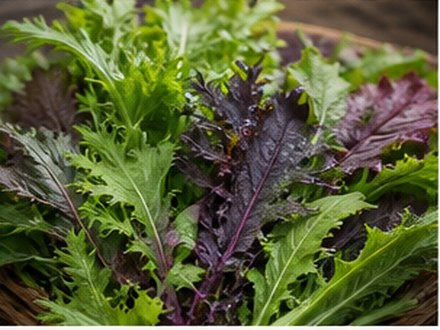
✔ Wide Crop Compatibility – Ideal for Sunflower, Pea, Radish, Broccoli, Arugula, Basil, Cabbage, Kohlrabi, and most Brassica-family seeds. Also suitable for growing baby greens.
Cleaning & Care
After harvest, simply scrape off root matter, rinse, and sanitize. Pressure washing works great for larger-scale operations. With the right care, one mat can outlast hundreds of disposable alternatives.
Important Notes
⚠ Handle With Care – Edges may be sharp. Use at your own risk and handle cautiously.
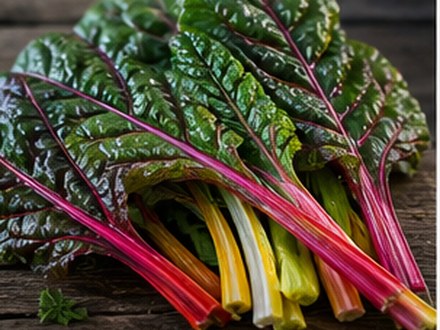
⚠ Not Suitable For – Swiss chard, beets, cilantro, and other notoriously tricky seeds. Amaranth and very small seeds can also be challenging on mesh.
Start indoors 8–10 weeks before last frost. Germinate at 26–30 °C on a heat mat; peppers stall below 22 °C. Pot up to 10–15 cm before hardening off outside after nights stay above 12 °C.
Feed balanced through bloom, then bump potassium for fruiting. Stake taller varieties. More detail in our full Canadian growing guide.
Match the pepper to the technique: thin-walled varieties blister fast in a hot pan; thick-walled ones roast or stuff beautifully; fruit-forward ones make balanced sauces and pickles. The variety's flavour profile is your shortcut — see Choosing the right pepper for a use-case guide.
MORE LIKE THIS