





Moonshadow Mustard Green
Moonshadow Mustard Green Seeds (Heirloom) Non-GMO, Open-Pollinated Visual & Culinary Powerhouse · The Culinary Edge 🌑 Stop settling for the muted colors and predictable heat of standard greens. Most salad mixes provide bulk but fail...
Shop all pepper seeds in Canada
- Season
- 2026
Moonshadow Mustard Green Seeds (Heirloom)
Non-GMO, Open-Pollinated Visual & Culinary Powerhouse
The Culinary Edge 🌑
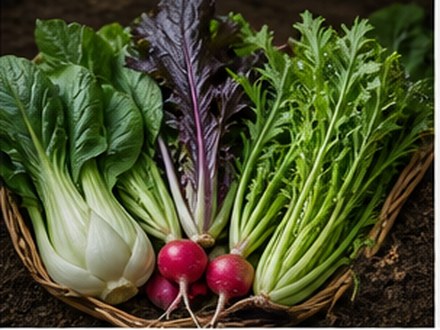
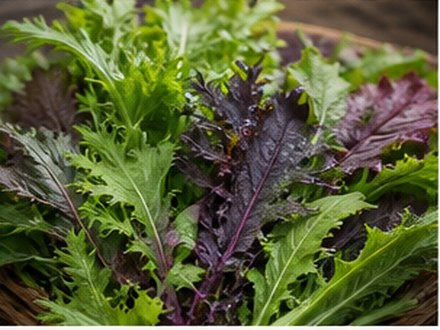
Stop settling for the muted colors and predictable heat of standard greens. Most salad mixes provide bulk but fail to offer a visual "wow" factor or a complex peppery bite that stands up to heavy dressings. Moonshadow Mustard delivers a dramatic, deep purple foliage so dark it appears nearly black, providing a sharp, horseradish-like kick that cleanses the palate. It is the difference between a side salad and a garnish that creates a memorable, chef-level contrast on the plate.
Quick Facts:
| Feature | Specification |
| Culinary Profile | Sharp Horseradish / Spicy Peppery Kick |
| Visual Contrast | Deep Midnight Purple (Nearly Black) |
| Maturity | 21 Days (Baby Leaf) / 45 Days (Full Head) |
| Quantity | 100+ Seeds/Packet |
👅 Flavor Profile:
-
Sharp & Pungent: A bold, wasabi-style heat that hits the back of the nose and dissipates quickly.
-
Earthy Undertones: Beyond the heat, it carries a deep brassica sweetness when harvested young.
🍴 Culinary Versatility:
-
Contrast: The jagged, dark leaves are the ultimate visual foil for bright ingredients like goat cheese, strawberries, or golden beets.
-
Wilt: Sauté very briefly with garlic and ginger to maintain the color while mellowing the sharpest heat notes.
-
Chef’s Choice: Use micro-leaves to add a "horseradish" element to steak tartare or rich seafood dishes without using raw root.
🌱 Growing Notes:
-
Cold-Hardy Heritage: Naturally resilient in the cooler spring and autumn temperatures of the Montreal region; color intensifies as the nights get colder.
-
Sun: Full Sun to Partial Shade (Resilient in lower light).
-
Sowing: Direct sow every 2 weeks for a continuous harvest; excellent performance in both garden beds and urban container systems.
Start indoors 8–10 weeks before last frost. Germinate at 26–30 °C on a heat mat; peppers stall below 22 °C. Pot up to 10–15 cm before hardening off outside after nights stay above 12 °C.
Feed balanced through bloom, then bump potassium for fruiting. Stake taller varieties. More detail in our full Canadian growing guide.
Match the pepper to the technique: thin-walled varieties blister fast in a hot pan; thick-walled ones roast or stuff beautifully; fruit-forward ones make balanced sauces and pickles. The variety's flavour profile is your shortcut — see Choosing the right pepper for a use-case guide.
MORE LIKE THIS


