





Tokyo Bekana
25 Seeds+ · 🥬 Tokyo Bekana Napa Cabbage SeedsBrassica rapa var. pekinensis · A tender Asian green with a delicate touch 🌿✨, Tokyo Bekana produces light-green, frilly leaves that resemble a cross between lettuce and napa cabbage 🥗💚. Mil...
Shop all pepper seeds in Canada
- Season
- 2026
25 Seeds+
🥬 Tokyo Bekana Napa Cabbage Seeds
Brassica rapa var. pekinensis
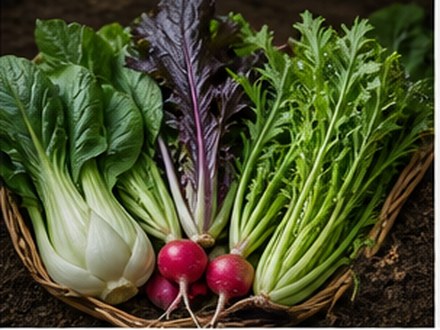
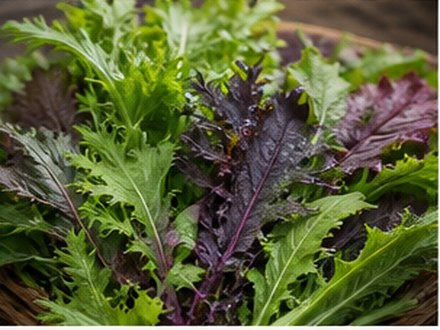
A tender Asian green with a delicate touch 🌿✨, Tokyo Bekana produces light-green, frilly leaves that resemble a cross between lettuce and napa cabbage 🥗💚. Mild, crisp, and juicy, it’s often enjoyed young as baby greens or allowed to mature for loose, leafy heads. Heat-tolerant, fast-growing, and bolt-resistant, this Japanese variety is beloved by chefs for its versatility in both raw and cooked dishes.
👅 Flavor Profile:
Mild 🥗, sweet 🌸, with a buttery crispness 🧈🌿.
🍴 Culinary Uses:
🥗 Harvest baby leaves for fresh salad mixes
🍲 Add mature leaves to soups & noodle bowls for delicate sweetness
🥟 Stir-fry with garlic & sesame for a light side dish
🥬 Use as wraps for grains, meats, or tofu
🍛 Incorporate into curries & hotpots for tender texture
👨🍳 Chef’s Pitch:
Tokyo Bekana is the chef’s tender napa 🥬👨🍳✨. Its soft, frilly leaves bring a mild sweetness and buttery crunch to salads, stir-fries, and broths. A versatile green that’s fast, prolific, and reliable — perfect for farm-to-table menus and Asian-inspired dishes.
🌱 Growing Notes:
🪴 Annual, loose-headed napa type, 12–18” tall
🌿 Lime-green, frilly, lettuce-like leaves
⏱ Harvest baby leaves in 25–30 days, full maturity in 45–55 days
🌞 Thrives in cool weather but tolerant of summer heat
📦 Cut-and-come-again harvest style extends productivity
✨ Quick Facts:
-
Latin Name: Brassica rapa var. pekinensis (‘Tokyo Bekana’)
-
Habit: Annual, loose-headed napa cabbage
-
Size: 12–18” tall, leafy clusters
-
Flavor: Mild, sweet, buttery crisp
-
Culinary Uses: Salads, stir-fries, soups, wraps, hotpots
-
Special Use: Baby leaf or full-size harvests
Start indoors 8–10 weeks before last frost. Germinate at 26–30 °C on a heat mat; peppers stall below 22 °C. Pot up to 10–15 cm before hardening off outside after nights stay above 12 °C.
Feed balanced through bloom, then bump potassium for fruiting. Stake taller varieties. More detail in our full Canadian growing guide.
Match the pepper to the technique: thin-walled varieties blister fast in a hot pan; thick-walled ones roast or stuff beautifully; fruit-forward ones make balanced sauces and pickles. The variety's flavour profile is your shortcut — see Choosing the right pepper for a use-case guide.
MORE LIKE THIS


