


Green Zebra Tomato
Green Zebra Tomato Seeds (Heirloom) Non-GMO | Open-Pollinated | The Modern Heirloom Icon · The Culinary Edge 🍅 Stop settling for mealy, one-dimensional red tomatoes. Green Zebra is a visual and flavor powerhouse that challenged the "red...
Shop all pepper seeds in Canada
Green Zebra Tomato Seeds (Heirloom)
Non-GMO | Open-Pollinated | The Modern Heirloom Icon
The Culinary Edge 🍅
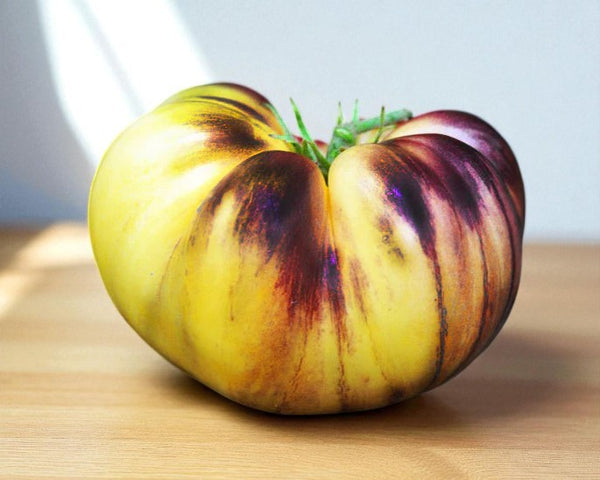
Stop settling for mealy, one-dimensional red tomatoes. Green Zebra is a visual and flavor powerhouse that challenged the "red is ripe" status quo. Developed by legendary breeder Tom Wagner, this variety stays emerald-green with striking dark-green longitudinal stripes that shift to a soft chartreuse-gold when peaking. It is the definitive choice for chefs seeking a bold, citrus-like acidity and a "zing" that cuts through rich ingredients, making it a permanent fixture in high-end culinary gardens.
At A Glance:
| Feature | Specification |
| 👅 Flavor Profile | Tangy, Zesty & Brightly Acidic |
| 🎨 Visual Contrast | Chartreuse-Gold with Dark Emerald Stripes |
| ⏱️ Maturity | 75–80 Days |
| 🔢 Quantity | 15+ Premium Seeds per Packet |
✨ Flavor Profile
-
Citrus Snap: Unlike the sugary sweetness of many cherry tomatoes, Green Zebra offers a complex, lemon-lime acidity that is incredibly refreshing.
-
Firm & Juicy: The flesh is remarkably dense and smooth, providing a clean bite without being watery.
🍴 Culinary Versatility
-
The "Pop" Salad: Slice and pair with bright red heirlooms or creamy burrata; the neon-green flesh provides a professional, high-contrast look that demands attention.
-
Zingy Salsas: Its natural acidity makes it the perfect base for a "Verde" style salsa or gazpacho without needing extra lime or vinegar.
-
The Fried Green Twist: While delicious raw, these are firm enough to hold up to light frying, adding a sophisticated tang to a classic Southern-style dish.
🌱 Growing Notes
-
Indeterminate Growth: These vines are vigorous and will produce fruit continuously until the first frost. Ensure you have a sturdy trellis or cage system in place.
-
Montreal Resilience: Perfectly adapted for the Montreal summer; it handles the humidity of July well and continues to ripen beautifully into our cooler September afternoons.
-
Knowing When to Pick: This is the most common question—harvest when the light-green stripes turn a soft golden-yellow and the fruit has a slight "give" when gently squeezed.
Start indoors 8–10 weeks before last frost. Germinate at 26–30 °C on a heat mat; peppers stall below 22 °C. Pot up to 10–15 cm before hardening off outside after nights stay above 12 °C.
Feed balanced through bloom, then bump potassium for fruiting. Stake taller varieties. More detail in our full Canadian growing guide.
Match the pepper to the technique: thin-walled varieties blister fast in a hot pan; thick-walled ones roast or stuff beautifully; fruit-forward ones make balanced sauces and pickles. The variety's flavour profile is your shortcut — see Choosing the right pepper for a use-case guide.
MORE LIKE THIS