


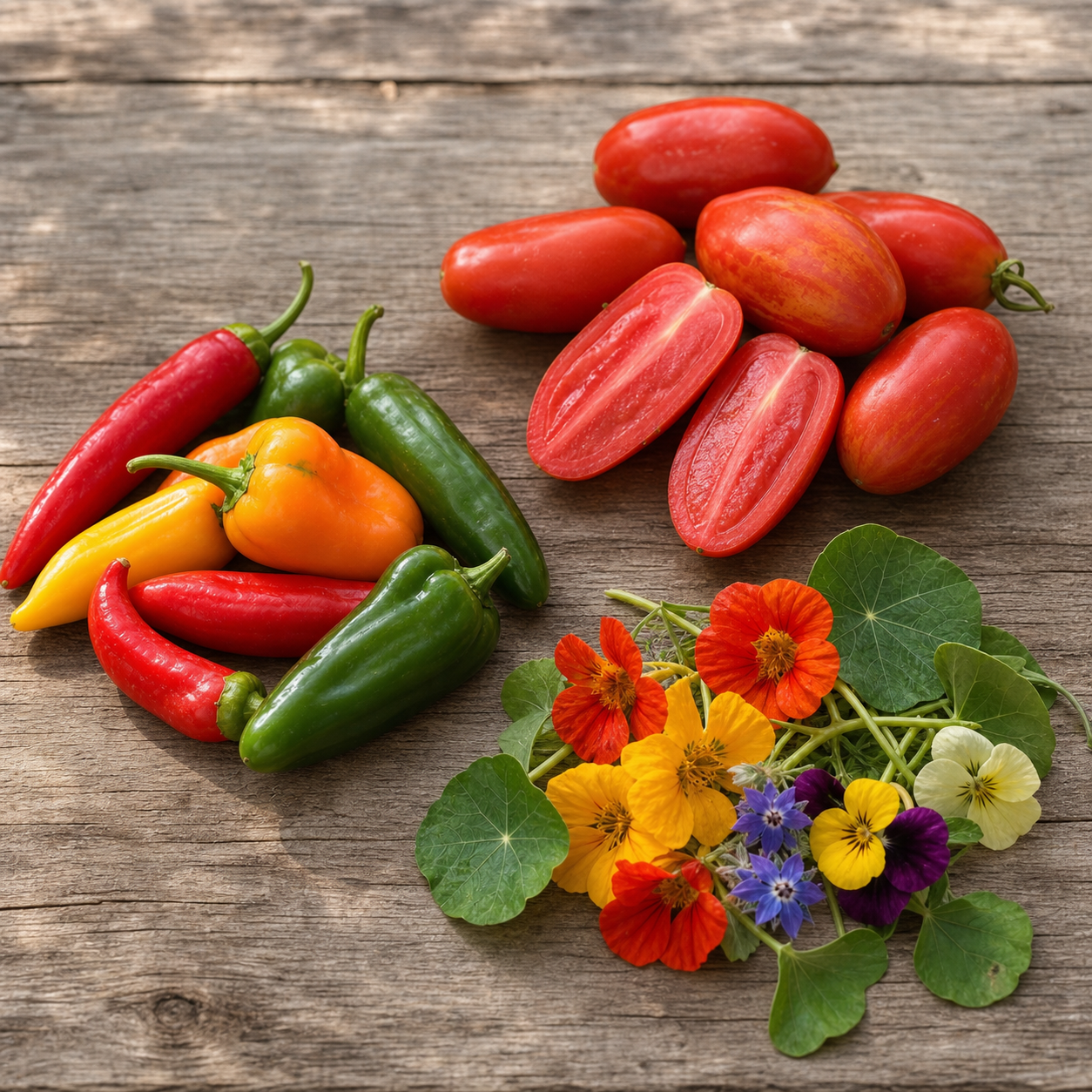





Planning your crop? Browse tomato seeds available in Canada while you choose an indoor start date.
Tomatoes grow quickly once they have warmth and strong light. That makes starting too early almost as troublesome as starting too late. A seedling sown in January can become tall, root-bound, and stressed long before a Canadian garden is warm enough. The useful goal is a compact plant with a strong stem and active roots at transplant time.
The short answer
Start most tomato seeds indoors six to eight weeks before your expected last spring frost. Give slow or especially valuable varieties up to eight or nine weeks when you have enough light and potting space. Micro-dwarf tomatoes may be started earlier for containers, but they still need strong light.
A simple Canadian tomato calendar
Eight to nine weeks before frost
Sow long-season heirlooms, large beefsteaks, and varieties you want to establish carefully. This can include Ananas Noir, Black Beauty, and Giant Watermelon.
Six to eight weeks before frost
This is the main window for most gardeners. Sow paste tomatoes, cherry tomatoes, slicers, and compact plants. Midnight Roma, Costoluto Genovese, and Bumble Bee Sunrise fit comfortably here.
Three to five weeks after sowing
Pot seedlings up when they have true leaves and roots are beginning to fill the starter cell. Bury part of a stretched stem because tomatoes can form roots along buried stem tissue. Do not leave seedlings in saturated soil.
Seven to ten days before transplanting
Harden plants gradually. Begin with sheltered shade, then increase direct sun and wind exposure. Bring plants inside during cold nights. Hardened plants should look sturdy, not weather-beaten.
Why the frost date is not the whole answer
Tomatoes tolerate cool conditions better than peppers, but cold soil still slows roots. Transplant after frost risk has passed and when the forecast does not show a string of very cold nights. A greenhouse, wall, raised bed, or dark container can create a warmer microclimate, while an exposed rural garden may stay colder.
Lighting determines whether an early start helps
Use a grow light for roughly 14 to 16 hours per day and keep it at the distance recommended by the fixture maker. Rotate trays only when the light is uneven. Long, pale stems are usually a light problem, not a signal that the plant needs more fertilizer.
Common timing mistakes
- Starting in mid-winter without enough light or potting space.
- Counting maturity days from sowing when the catalogue counts from transplant.
- Moving plants outdoors after one warm day instead of checking nighttime temperatures.
- Skipping hardening and scorching tender indoor leaves.
- Keeping seedlings in tiny cells until they flower from stress.
Choose a plant that fits the season
Timing works together with plant habit. Read determinate vs. indeterminate tomatoes for Canadian gardens before choosing varieties, then use our complete Canadian tomato-growing guide from germination through harvest.
Example: working backward from a May 20 frost date
For a May 20 expected last frost, the main six-to-eight-week sowing window runs from roughly March 25 to April 8. A gardener with strong lights and room to pot up can sow large heirlooms around March 18. Hardening can begin in mid-May when days are mild, but plants should return indoors during cold nights. A practical transplant target is late May or early June after checking the forecast.
Should tomato seedlings flower before transplanting?
A few early flowers are not a disaster, especially on compact varieties, but heavy flowering in a small pot often means the plant has been held too long. Give roots more room and avoid pushing soft growth with excessive fertilizer. A smaller plant that is actively growing can establish faster than an oversized plant with a crowded root ball.
What if you miss the ideal sowing window?
Sow anyway if several weeks remain before transplanting. Tomatoes grow quickly under good conditions, and a younger seedling can catch up. Choose compact, cherry, paste, or earlier-maturing varieties when the start is late. Do not compensate by drowning seedlings in fertilizer; improve warmth, light, and root space instead.