





Shin Kuroda Carrot
Shin Kuroda Carrot Seeds (Heirloom) Non-GMO | Open-Pollinated | The Japanese Storage Standard · The Culinary Edge 🥕 Stop settling for woody, flavorless carrots that struggle in anything but perfect sandy soil. Shin Kuroda is a legendary...
Shop all pepper seeds in Canada
Shin Kuroda Carrot Seeds (Heirloom)
Non-GMO | Open-Pollinated | The Japanese Storage Standard
The Culinary Edge 🥕
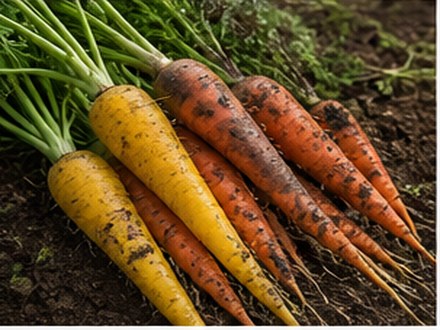
Stop settling for woody, flavorless carrots that struggle in anything but perfect sandy soil. Shin Kuroda is a legendary Japanese heirloom of the Chantenay type, specifically bred to maintain its tender, succulent texture even in heavy or clay-based soils. While long, thin varieties often break or become bitter, Shin Kuroda develops a thick, wedge-shaped shoulder and a deep, saturated orange core. It is the "gold standard" for chefs who require a carrot that retains its intense sweetness whether served raw, juiced, or slow-roasted.
At A Glance:
| Feature | Specification |
| 👅 Flavor Profile | Exceptionally Sweet / Rich & Syrupy when Cooked |
| 🎨 Visual Contrast | Vibrant Deep Orange / Smooth, Thick Skin |
| ⏱️ Maturity | 70–75 Days |
| 🔢 Quantity | 250+ Premium Seeds per Packet |
✨ Flavor Profile
-
High Sugar Content: Known for its remarkably sweet flavor profile, making it a favorite for children and the primary choice for high-quality carrot juice.
-
Fine-Grained Texture: Lacks the tough, fibrous core found in many commercial varieties; every bite is crisp, juicy, and tender.
🍴 Culinary Versatility
-
The "Roasting Wedge": Because of its thick, tapered shape, this carrot handles long roasting times beautifully, caramelizing its natural sugars into a candy-like finish.
-
Superior Juicing: Its high juice-to-fiber ratio produces a vibrant, naturally sweet nectar that requires no added sweeteners.
-
Grated Salads: The dense, crisp flesh holds its structure when shredded for Japanese-style ginger salads or classic coleslaws.
🌱 Growing Notes
-
Heavy Soil Specialist: If you struggle with rocky or heavy soil in the Montreal region, this is your variety. Its powerful, stout root can push through tougher ground where other carrots fail.
-
Storage Star: Excellent shelf life; when stored in cool, dark conditions, the flavor remains consistent well into the winter months.
-
Spring & Fall Success: Performs best during the cooler shoulders of the season. In Quebec, a late summer sowing will result in an autumn harvest that is even sweeter after the first light frost.
Start indoors 8–10 weeks before last frost. Germinate at 26–30 °C on a heat mat; peppers stall below 22 °C. Pot up to 10–15 cm before hardening off outside after nights stay above 12 °C.
Feed balanced through bloom, then bump potassium for fruiting. Stake taller varieties. More detail in our full Canadian growing guide.
Match the pepper to the technique: thin-walled varieties blister fast in a hot pan; thick-walled ones roast or stuff beautifully; fruit-forward ones make balanced sauces and pickles. The variety's flavour profile is your shortcut — see Choosing the right pepper for a use-case guide.
MORE LIKE THIS


