


Nasturtium Alaskan
10 Seeds+ · 🌸 Nasturtium ‘Alaska’ Flower SeedsTropaeolum majus · A garden and kitchen favorite 🌿✨, Nasturtium ‘Alaska’ combines striking, variegated foliage 💚🤍 with bold edible blooms in shades of red ❤️, orange 🧡, and yellow 💛. Compac...
Shop all pepper seeds in Canada
10 Seeds+
🌸 Nasturtium ‘Alaska’ Flower Seeds
Tropaeolum majus
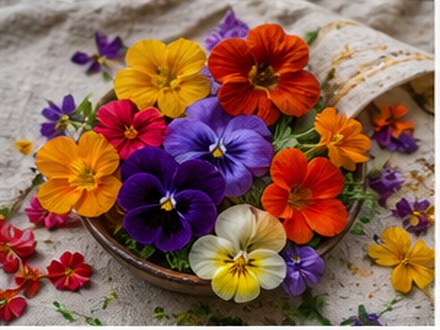
A garden and kitchen favorite 🌿✨, Nasturtium ‘Alaska’ combines striking, variegated foliage 💚🤍 with bold edible blooms in shades of red ❤️, orange 🧡, and yellow 💛. Compact and easy to grow, it thrives in poor soils, blooms abundantly, and delivers both visual appeal and peppery flavor 🌶️. A true multitasker — decorative, edible, and a natural pest deterrent.
👅 Flavor Profile:
Peppery 🌶️, mustard-like 🌿, with hints of radish crunch 🥗.
🍴 Culinary Uses:
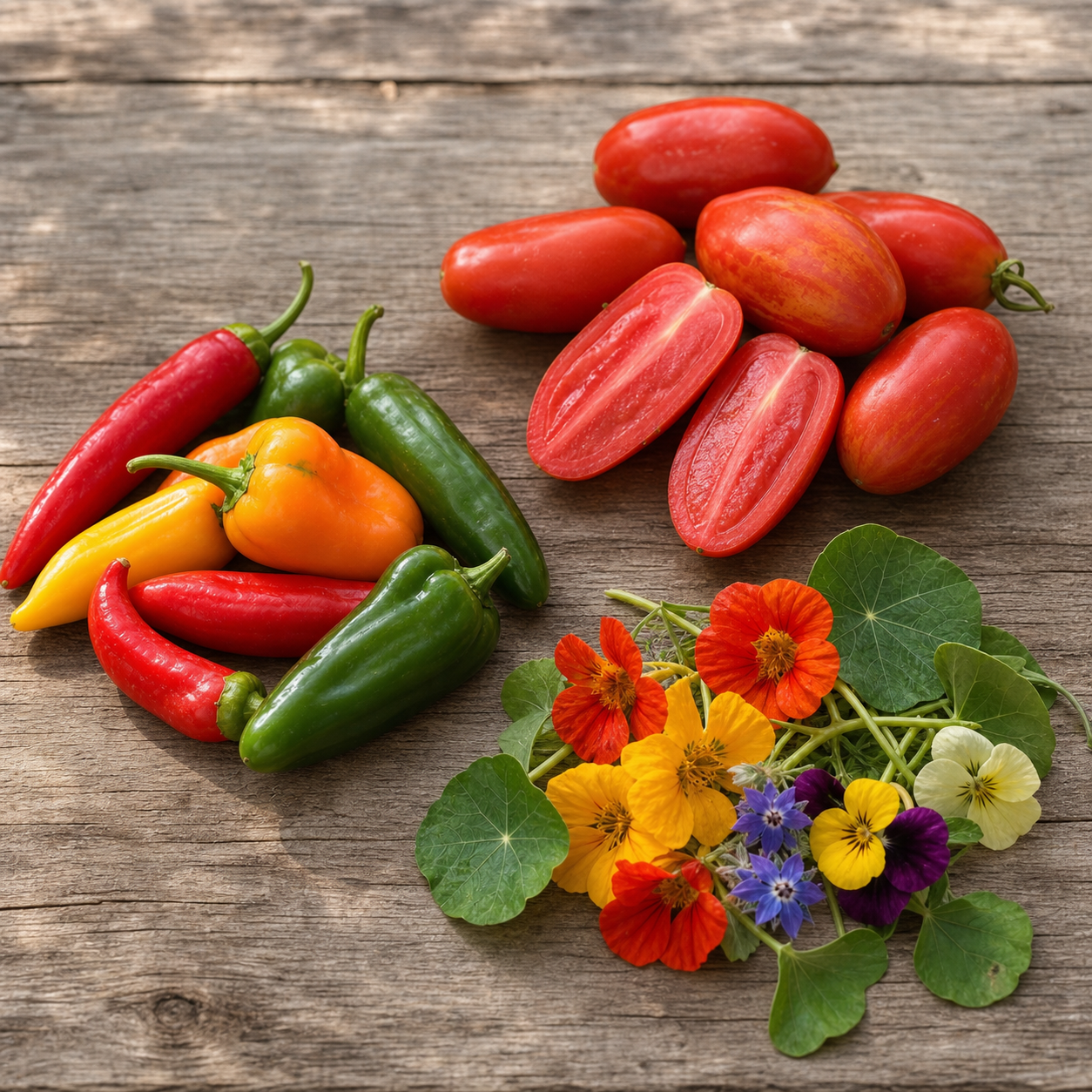
🥗 Toss petals into salads for color + a peppery bite
🥒 Use leaves as edible wraps or add to sandwiches for spice
🍸 Float flowers in cocktails for fiery flair
🧄 Pickle seed pods (“poor man’s capers”) for gourmet condiments
🧁 Garnish cakes and savory plates with bold edible blooms
👨🍳 Chef’s Pitch:
Nasturtium ‘Alaska’ is the chef’s edible firework 🌸👨🍳🔥. Its variegated foliage and bright blooms double as garnish and seasoning, delivering peppery zip to salads, sauces, and cocktails. Plus, the seed pods are a gourmet secret — a sustainable caper substitute for creative kitchens.
🌱 Growing Notes:
🪴 Annual, trailing or mounding habit, 10–12” tall
🌸 Bright red, orange & yellow blooms with marbled leaves
🌞 Thrives in poor to average soil, full sun → part shade
⏱ Long bloom season: summer → frost
🐝 Pollinator-friendly + natural pest deterrent (aphids love them as trap plants)
✨ Quick Facts:
-
Latin Name: Tropaeolum majus (‘Alaska’)
-
Habit: Annual, 10–12” compact, trailing/mounding
-
Flavor: Peppery, mustard-like, radish-like
-
Culinary Uses: Salads, sandwiches, cocktails, pickled seed pods
-
Special Use: Variegated foliage + edible blooms + pest control
Want the curated set? This variety is also included in the Edible Flower Garnish Pack.
Start indoors 8–10 weeks before last frost. Germinate at 26–30 °C on a heat mat; peppers stall below 22 °C. Pot up to 10–15 cm before hardening off outside after nights stay above 12 °C.
Feed balanced through bloom, then bump potassium for fruiting. Stake taller varieties. More detail in our full Canadian growing guide.
Match the pepper to the technique: thin-walled varieties blister fast in a hot pan; thick-walled ones roast or stuff beautifully; fruit-forward ones make balanced sauces and pickles. The variety's flavour profile is your shortcut — see Choosing the right pepper for a use-case guide.
MORE LIKE THIS