


Borage
25 Seeds+ · 🌸 Borage Flower SeedsBorago officinalis · Known as the “starflower” ⭐🌿, Borage is a Mediterranean heirloom celebrated for its stunning sapphire-blue blossoms 💙 and refreshing cucumber flavor 🥒. Fast-growing and generous, th...
Shop all pepper seeds in Canada
25 Seeds+
🌸 Borage Flower Seeds
Borago officinalis
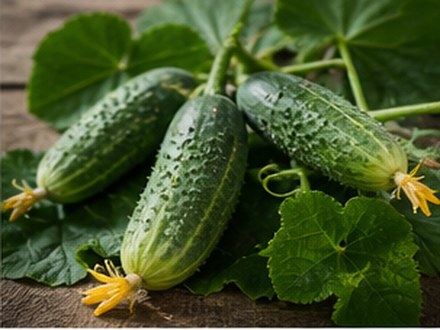
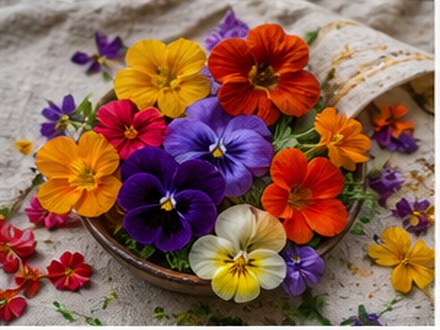
Known as the “starflower” ⭐🌿, Borage is a Mediterranean heirloom celebrated for its stunning sapphire-blue blossoms 💙 and refreshing cucumber flavor 🥒. Fast-growing and generous, this annual fills the garden with color, nectar-rich blooms, and natural pollinator magnetism 🐝🦋. Easy to grow, self-seeding, and endlessly useful in the kitchen — a true gardener’s and chef’s delight.
👅 Flavor Profile:
Crisp cucumber 🥒, mild herbal 🌿, with a gentle floral finish 🌸.
🍴 Culinary Uses:
🥗 Fresh edible garnish for salads, cheese boards, and summer plates
🍸 Float blooms in cocktails or freeze in ice cubes for stunning drinks
🍲 Infuse into soups or broths for a subtle cucumber-herbal note
🍵 Leaves can be steeped as a calming herbal tea
🍓 Companion to fruits like strawberries and citrus for bright contrasts
👨🍳 Chef’s Pitch:
Borage is the chef’s secret floral garnish 🌸👨🍳. Its star-shaped blossoms add elegance to cocktails, desserts, and composed plates, while the cucumber-like flavor surprises and refreshes. A favorite in fine dining for its beauty, versatility, and ability to spark conversation at the table.
🌱 Growing Notes:
🪴 Vigorous annual reaching 18–36” tall, branching and bushy
🌼 Star-shaped flowers open blue 💙 and sometimes blush pink 💕 before fading
🐝 Heavy pollinator attractor — bees can’t resist
🔄 Self-seeds readily, providing blooms year after year
⏱ Quick to flower, producing continuously through summer
✨ Quick Facts:
-
Latin Name: Borago officinalis
-
Habit: Annual, 18–36” tall
-
Flavor: Cucumber-like with floral notes
-
Culinary Uses: Garnishes, cocktails, salads, teas, infusions
-
Companion Planting: Boosts pollination, pairs well with strawberries 🍓 & tomatoes 🍅
Want the curated set? This variety is also included in the Edible Flower Garnish Pack.
Start indoors 8–10 weeks before last frost. Germinate at 26–30 °C on a heat mat; peppers stall below 22 °C. Pot up to 10–15 cm before hardening off outside after nights stay above 12 °C.
Feed balanced through bloom, then bump potassium for fruiting. Stake taller varieties. More detail in our full Canadian growing guide.
Match the pepper to the technique: thin-walled varieties blister fast in a hot pan; thick-walled ones roast or stuff beautifully; fruit-forward ones make balanced sauces and pickles. The variety's flavour profile is your shortcut — see Choosing the right pepper for a use-case guide.
MORE LIKE THIS